What does Ezra 9:4 mean?
"Then were assembled unto me every one that trembled at the words of the God of Israel, because of the transgression of those that had been carried away; and I sat astonied until the evening sacrifice." - Ezra 9:4
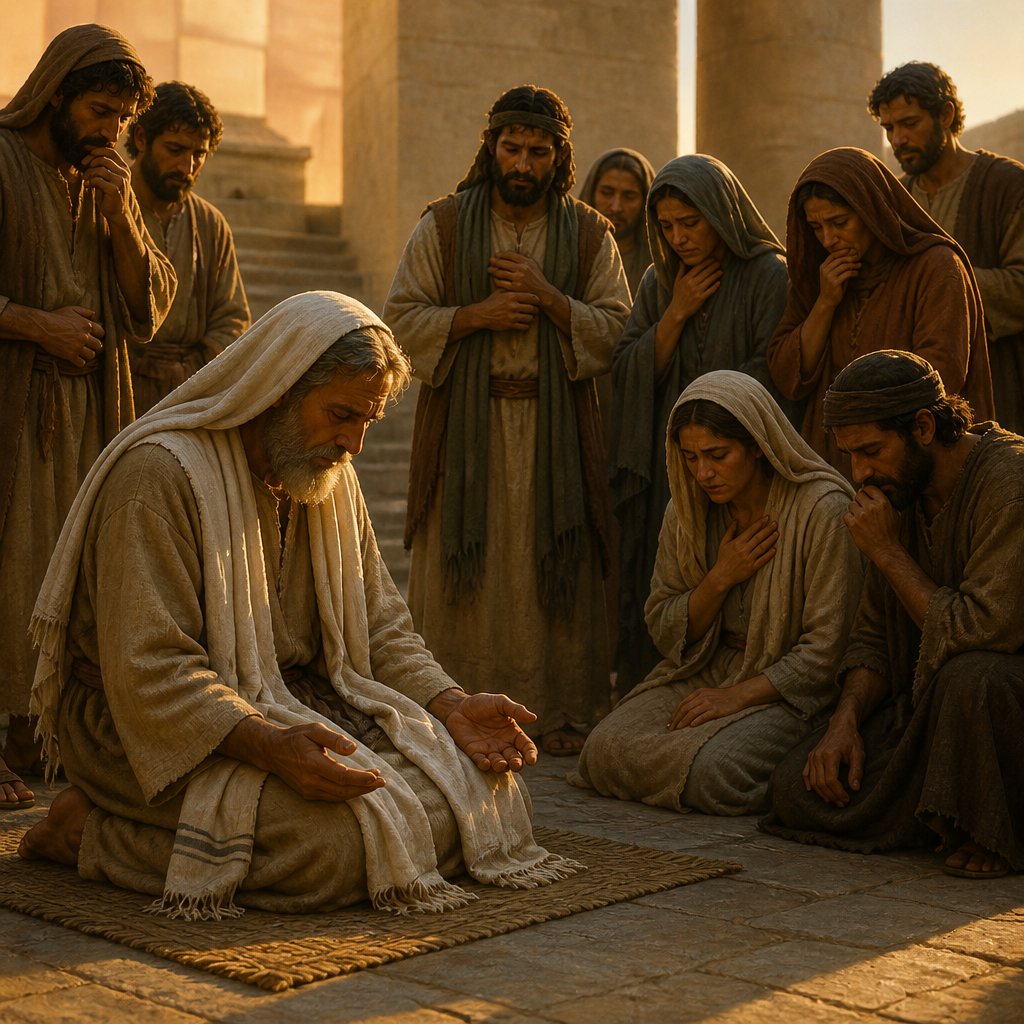
Ezra 9:4 in the King James Version reads, "Then were assembled unto me every one that trembled at the words of the God of Israel, because of the transgression of those that had been carried away; and I sat astonied until the evening sacrifice." This verse comes from the book of Ezra in the Old Testament, specifically during a time when the Israelites had returned to Jerusalem after being held captive in Babylon.
The context of this verse is incredibly important in understanding its deeper meaning. The book of Ezra is about the rebuilding of the temple and the restoration of the Jewish people in their homeland. Ezra himself was a scribe and priest who, under the Persian king's decree, led a group of exiles back to Jerusalem to restore the city and the temple. Upon arriving in Jerusalem, Ezra is confronted with the reality of the people's betrayal of God's commandments, particularly in their intermarriage with other nations and their ensuing loss of faith.
The verse begins with Ezra describing the gathering of those who "trembled at the words of the God of Israel." This phrase refers to the faithful remnant of Israel, those who were deeply concerned about the people's disobedience to God's laws. Their trembling signifies a deep reverence and fear of the consequences of disobedience. These individuals recognized the gravity of the situation and the severity of the transgressions committed by the Israelites. Their fear and concern were well-founded, as they were aware of the potential repercussions of straying from God's commands.
Ezra's reaction to the situation is described as being "astonied until the evening sacrifice." The word "astonied" conveys a sense of shock and disbelief. Ezra is deeply troubled by the transgressions of his people and is overwhelmed by the gravity of the situation. His astonishment is further emphasized by the fact that he remained in this state until the evening sacrifice. This indicates that Ezra's distress was not fleeting but persisted throughout a significant portion of the day.
The evening sacrifice was a crucial part of the Jewish religious observance. It symbolized the atonement for sins and the restoration of the covenant between God and His people. Ezra's astonishment and distress lasted until this solemn act of worship, possibly signifying his recognition of the need for repentance and restoration in light of the people's disobedience.
This verse reflects several important themes that run throughout the book of Ezra and the broader biblical narrative. One of the central themes is the importance of obedience to God's commandments. The Israelites' disobedience led to their exile, and even upon their return, they continued to struggle with fidelity to God. The faithful remnant's trembling and Ezra's astonishment highlight the significance of fidelity to God's word and the consequences of straying from it.
Additionally, the verse underscores the concept of remnant and restoration. Despite the widespread disobedience, there remained a faithful remnant who trembled at God's word. This remnant serves as a poignant reminder that God's faithfulness endures even in the midst of widespread unfaithfulness. The eventual restoration of the temple and the people indicates God's mercy and willingness to forgive and restore those who repent and turn back to Him.
Symbolically, the verse represents the internal struggle and turmoil that can accompany the recognition of moral and spiritual failings. Ezra's astonishment reflects the deep emotional and spiritual impact of confronting the reality of the people's transgressions. It serves as a reminder of the personal and communal responsibility to uphold God's commandments and the anguish that comes with acknowledging and addressing one's failings.
In conclusion, Ezra 9:4 in the King James Version encapsulates the themes of obedience, remnant, restoration, and internal struggle within the broader context of the book of Ezra. It serves as a poignant reminder of the consequences of disobedience, the significance of faithful remnant, and the need for repentance and restoration. This verse continues to resonate as a powerful expression of the human experience of recognizing and grappling with moral and spiritual failings.
Have questions about Ezra 9:4?
Dive deeper into this scripture with Bible Chat — an AI-powered tool for exploring God's Word through conversation. Ask questions, get context, and grow in your understanding of the Bible.
Get Our Apps


Ezra 9:4 Artwork

Ezra 9:4 - "Then were assembled unto me every one that trembled at the words of the God of Israel, because of the transgression of those that had been carried away; and I sat astonied until the evening sacrifice."
"Then were assembled unto me every one that trembled at the words of the God of Israel, because of the transgression of those that had been carried away; and I sat astonied until the evening sacrifice." - Ezra 9:4

Ezra 4:9 - "Then wrote Rehum the chancellor, and Shimshai the scribe, and the rest of their companions; the Dinaites, the Apharsathchites, the Tarpelites, the Apharsites, the Archevites, the Babylonians, the Susanchites, the Dehavites, and the Elamites,"

Ezra 4:4

Ezra 4:4

Ezra 9:6

Ezra 3:9

Ezra 9:3

Ezra 9:1

Ezra 9:1

Ezra 9:1

Ezra 9:1-2

Ezra 9:13-15

Ezra 9:1-2

Ezra 2:9 - "The children of Zaccai, seven hundred and threescore."

Zerubbabel in Ezra chapter 4

Zerubbabel in Ezra chapter 4

Ezra 4:4 - "Then the people of the land weakened the hands of the people of Judah, and troubled them in building,"

Letter to the king in Ezra chapter 4

Ezra 7:4 - "The son of Zerahiah, the son of Uzzi, the son of Bukki,"

Ezra 2:4 - "The children of Shephatiah, three hundred seventy and two."
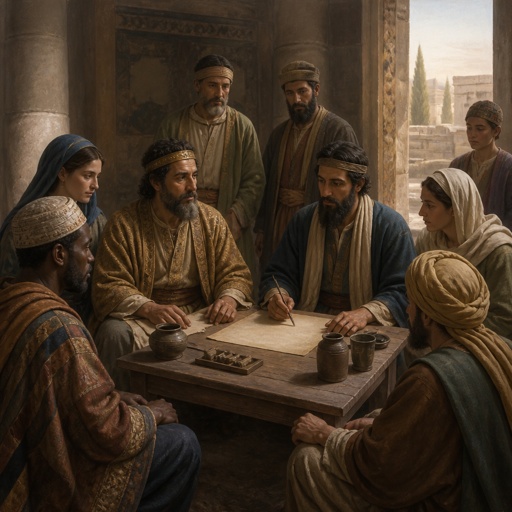
"Then wrote Rehum the chancellor, and Shimshai the scribe, and the rest of their companions; the Dinaites, the Apharsathchites, the Tarpelites, the Apharsites, the Archevites, the Babylonians, the Susanchites, the Dehavites, and the Elamites," - Ezra 4:9

Ezra 8:9 - "Of the sons of Joab; Obadiah the son of Jehiel, and with him two hundred and eighteen males."

Ezra 1:9 - "And this is the number of them: thirty chargers of gold, a thousand chargers of silver, nine and twenty knives,"

Ezra 8:4 - "Of the sons of Pahath-moab; Elihoenai the son of Zerahiah, and with him two hundred males."

"The children of Zaccai, seven hundred and threescore." - Ezra 2:9

Ezra 9:10 - "And now, O our God, what shall we say after this? for we have forsaken thy commandments,"

Ezra 4:22 - "Take heed now that ye fail not to do this: why should damage grow to the hurt of the kings?"

Ezra 5:4 - "Then said we unto them after this manner, What are the names of the men that make this building?"

Ezra 4:8 - "Rehum the chancellor and Shimshai the scribe wrote a letter against Jerusalem to Artaxerxes the king in this sort:"