What does Ezra 9:10 mean?
"And now, O our God, what shall we say after this? for we have forsaken thy commandments," - Ezra 9:10
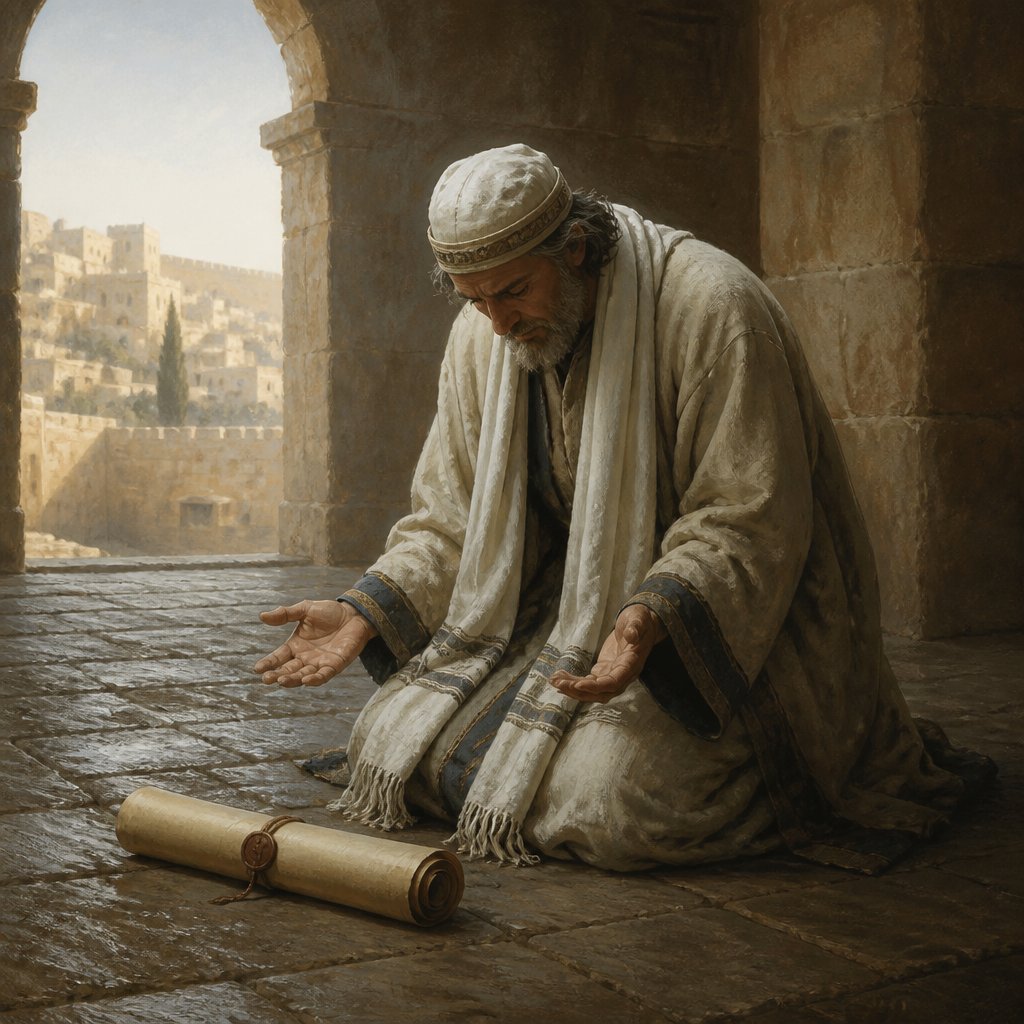
Ezra 9:10 (KJV) says: "And now, O our God, what shall we say after this? for we have forsaken thy commandments."
The book of Ezra was written by the prophet Ezra himself and focuses on the return of the exiled Jews from Babylon to Jerusalem and the rebuilding of the temple. This particular verse comes from a prayer of confession in which Ezra laments the sins of the Israelites and their disobedience to God.
The context of this verse is important to understand the gravity of the situation. The Israelites had been exiled to Babylon as a result of their unfaithfulness and disobedience to God. However, after seventy years of exile, God in his mercy allowed them to return to their homeland. The people were given the opportunity to rebuild the temple and renew their covenant with God. However, upon their return, Ezra discovered that the Israelites had once again fallen into sin and had intermarried with the surrounding pagan nations, thus forsaking the commandments of God.
In this prayer, Ezra is expressing his deep sorrow and repentance on behalf of his people. He acknowledges their unfaithfulness and disobedience and recognizes that they deserve the punishment of God. The prayer reflects the deep sense of remorse and shame that Ezra feels for the sins of his people. It also shows his understanding of the seriousness of their actions and the consequences of forsaking God's commandments.
The verse raises several important themes that are seen throughout the Bible. The first is the theme of obedience and disobedience. The Israelites had been given clear instructions and commandments by God, but they had chosen to turn away from them. This theme highlights the importance of following God's laws and the consequences of disobedience.
Another theme is that of repentance and forgiveness. Despite their disobedience, Ezra approaches God in prayer, seeking forgiveness for the sins of the people. This demonstrates the Israelites' recognition of their wrongdoing and their desire to turn back to God. It also shows God's willingness to forgive and restore his people when they genuinely repent.
The verse also speaks to the theme of the covenant. The covenant between God and the Israelites was based on their obedience to his commandments. By forsaking these commandments, the Israelites had broken the covenant and brought judgment upon themselves. This theme reinforces the idea that God's relationship with his people is based on faithfulness and obedience.
In terms of symbolism, the verse can be seen as symbolizing the ongoing struggle between sin and faithfulness. The Israelites' disobedience represents the sinful nature of humanity and our tendency to turn away from God. However, Ezra's prayer symbolizes the hope of repentance and restoration, showing that even in the face of sin, there is a path to forgiveness and reconciliation with God.
Overall, Ezra 9:10 is a powerful and poignant reflection on the consequences of disobedience and the hope of repentance. It serves as a reminder of the importance of following God's commandments and the need for sincere repentance when we fall short. It also speaks to the enduring themes of obedience, covenant, and forgiveness that are central to the Christian faith.
Have questions about Ezra 9:10?
Dive deeper into this scripture with Bible Chat — an AI-powered tool for exploring God's Word through conversation. Ask questions, get context, and grow in your understanding of the Bible.
Get Our Apps


Ezra 9:10 Artwork

Ezra 9:10 - "And now, O our God, what shall we say after this? for we have forsaken thy commandments,"
"And now, O our God, what shall we say after this? for we have forsaken thy commandments," - Ezra 9:10

Ezra 10:10-12

Ezra 10:10 - "And Ezra the priest stood up, and said unto them, Ye have transgressed, and have taken strange wives, to increase the trespass of Israel."

Ezra 9:6

Ezra 3:9

Ezra 10:3

Ezra 3:10

Ezra 9:3

Ezra 9:1

Ezra 9:1

Ezra 9:1

Ezra 10:3

Ezra 10:5 - "Then arose Ezra, and made the chief priests, the Levites, and all Israel, to swear that they should do according to this word. And they sware."

Ezra 7:10 - "For Ezra had prepared his heart to seek the law of the LORD, and to do it, and to teach in Israel statutes and judgments."

Ezra 10:9 - "¶ Then all the men of Judah and Benjamin gathered themselves together unto Jerusalem within three days. It was the ninth month, on the twentieth day of the month; and all the people sat in the street of the house of God, trembling because of this matter, and for the great rain."

Ezra 9:1-2

Ezra 9:13-15

Ezra 10:38 - "And Bani, and Binnui, Shimei,"

Ezra 10:37 - "Mattaniah, Mattenai, and Jaasau,"

Ezra 10:40 - "Machnadebai, Shashai, Sharai,"

Ezra 10:32 - "Benjamin, Malluch, and Shemariah."

Ezra 10:36 - "Vaniah, Meremoth, Eliashib,"

Ezra 10:35 - "Benaiah, Bedeiah, Chelluh,"

Ezra 10:42 - "Shallum, Amariah, and Joseph."

Ezra 10:41 - "Azareel, and Shelemiah, Shemariah,"

Ezra 10:39 - "And Shelemiah, and Nathan, and Adaiah,"

Ezra 9:1-2

Ezra 10:20 - "And of the sons of Immer; Hanani, and Zebadiah."

Ezra 2:9 - "The children of Zaccai, seven hundred and threescore."