What does Ezra 8:10 mean?
"And of the sons of Shelomith; the son of Josiphiah, and with him an hundred and threescore males." - Ezra 8:10
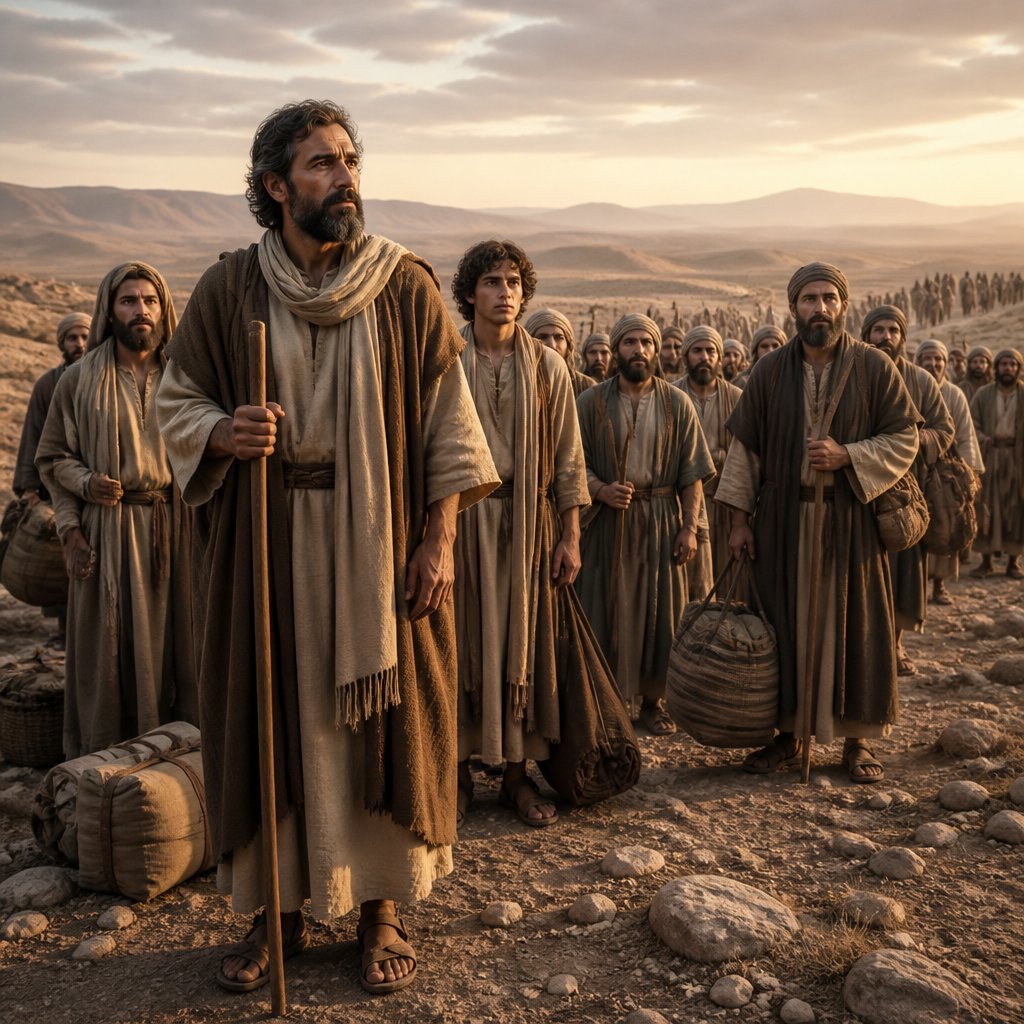
Ezra 8:10 in the King James Version of the Bible reads: "And of the sons of Shelomith; the son of Josiphiah, and with him an hundred and threescore males."
The book of Ezra is a historical narrative that describes the events surrounding the return of the Israelites from exile in Babylon and the subsequent rebuilding of the temple in Jerusalem. This particular verse is part of a list of individuals who returned to Jerusalem with Ezra, and it is included as part of a larger genealogy.
In understanding the meaning and significance of this verse, it is important to consider the broader context of the book of Ezra and the larger biblical narrative. The return of the Israelites from exile in Babylon was a pivotal moment in their history, marking a renewed focus on their identity as God's chosen people and their commitment to worshiping Him in the promised land. The inclusion of this genealogy in Ezra 8 serves to demonstrate the continuity of the Israelite community and their connection to their ancestral land.
One of the key themes in this verse, and indeed in the entire book of Ezra, is the idea of continuity and preservation of the Israelite lineage. The list of individuals who returned with Ezra serves as a reminder of the unbroken connection between the exiled community in Babylon and their forefathers who had lived in Jerusalem. This genealogy reinforces the idea that the Israelites remained a distinct and cohesive community despite their exile, and that they were now returning to their homeland with a sense of unity and purpose.
Furthermore, the mention of "an hundred and threescore males" underscores the significance of this group in terms of their potential to contribute to the rebuilding of the temple and the restoration of their religious practices. In ancient Israelite culture, the number of males was often used as a measure of the strength and vitality of a community, and this verse highlights the formidable size of the group returning with Ezra. This suggests that the Israelites were entering this new phase in their history with a sense of purpose and determination, and that they were prepared to take on the challenges that lay ahead.
Symbolically, this verse can be seen as a representation of the broader theme of restoration and renewal that permeates the book of Ezra. The return of the Israelites from exile marked a new beginning for the community, and the inclusion of this genealogy serves to emphasize the continuity of their identity and their commitment to their faith. In a larger sense, the return from exile can be seen as a metaphor for the spiritual restoration and revival of the Israelite people, as they sought to reestablish their relationship with God and rebuild their community in Jerusalem.
In conclusion, Ezra 8:10 is a verse that is part of a broader genealogy in the book of Ezra. It serves to underscore the continuity and strength of the Israelite community as they returned from exile in Babylon, and it symbolizes their commitment to restoring their religious practices and rebuilding their community in Jerusalem. This verse contributes to the larger themes of renewal and restoration that are central to the book of Ezra, and it highlights the significance of this pivotal moment in the history of the Israelite people.
Have questions about Ezra 8:10?
Dive deeper into this scripture with Bible Chat — an AI-powered tool for exploring God's Word through conversation. Ask questions, get context, and grow in your understanding of the Bible.
Get Our Apps


Ezra 8:10 Artwork

Ezra 8:10 - "And of the sons of Shelomith; the son of Josiphiah, and with him an hundred and threescore males."
"And of the sons of Shelomith; the son of Josiphiah, and with him an hundred and threescore males." - Ezra 8:10

Ezra 10:10-12

Ezra 10:10 - "And Ezra the priest stood up, and said unto them, Ye have transgressed, and have taken strange wives, to increase the trespass of Israel."

Ezra 10:8 - "And that whosoever would not come within three days, according to the counsel of the princes and the elders, all his substance should be forfeited, and himself separated from the congregation of those that had been carried away."

Ezra 10:3

Ezra 3:10

Ezra 8:21

Ezra 10:3

Ezra 10:5 - "Then arose Ezra, and made the chief priests, the Levites, and all Israel, to swear that they should do according to this word. And they sware."

Ezra 8:8 - "And of the sons of Shephatiah; Zebadiah the son of Michael, and with him fourscore males."

Ezra 7:10 - "For Ezra had prepared his heart to seek the law of the LORD, and to do it, and to teach in Israel statutes and judgments."

Ezra 10:38 - "And Bani, and Binnui, Shimei,"

Ezra 10:37 - "Mattaniah, Mattenai, and Jaasau,"

Ezra 10:40 - "Machnadebai, Shashai, Sharai,"

Ezra 10:32 - "Benjamin, Malluch, and Shemariah."

Ezra 10:35 - "Benaiah, Bedeiah, Chelluh,"

Ezra 10:41 - "Azareel, and Shelemiah, Shemariah,"

Ezra 10:36 - "Vaniah, Meremoth, Eliashib,"

Ezra 10:42 - "Shallum, Amariah, and Joseph."

Ezra 10:39 - "And Shelemiah, and Nathan, and Adaiah,"

Ezra 10:20 - "And of the sons of Immer; Hanani, and Zebadiah."

Ezra 10:34 - "Of the sons of Bani; Maadai, Amram, and Uel,"

Ezra 8:32 - "And we came to Jerusalem, and abode there three days."

Ezra 2:8 - "The children of Zattu, nine hundred forty and five."

Ezra 2:10 - "The children of Bani, six hundred forty and two."

Ezra 10:24 - "Of the singers also; Eliashib: and of the porters; Shallum, and Telem, and Uri."

Ezra 10:21 - "And of the sons of Harim; Maaseiah, and Elijah, and Shemaiah, and Jehiel, and Uzziah."

Ezra 10:31 - "And of the sons of Harim; Eliezer, Ishijah, Malchiah, Shemaiah, Shimeon,"

Ezra 10:28 - "Of the sons also of Bebai; Jehohanan, Hananiah, Zabbai, and Athlai."