What does Ezra 7:26 mean?
"And whosoever will not do the law of thy God, and the law of the king, let judgment be executed speedily upon him, whether it be unto death, or to banishment, or to confiscation of goods, or to imprisonment." - Ezra 7:26
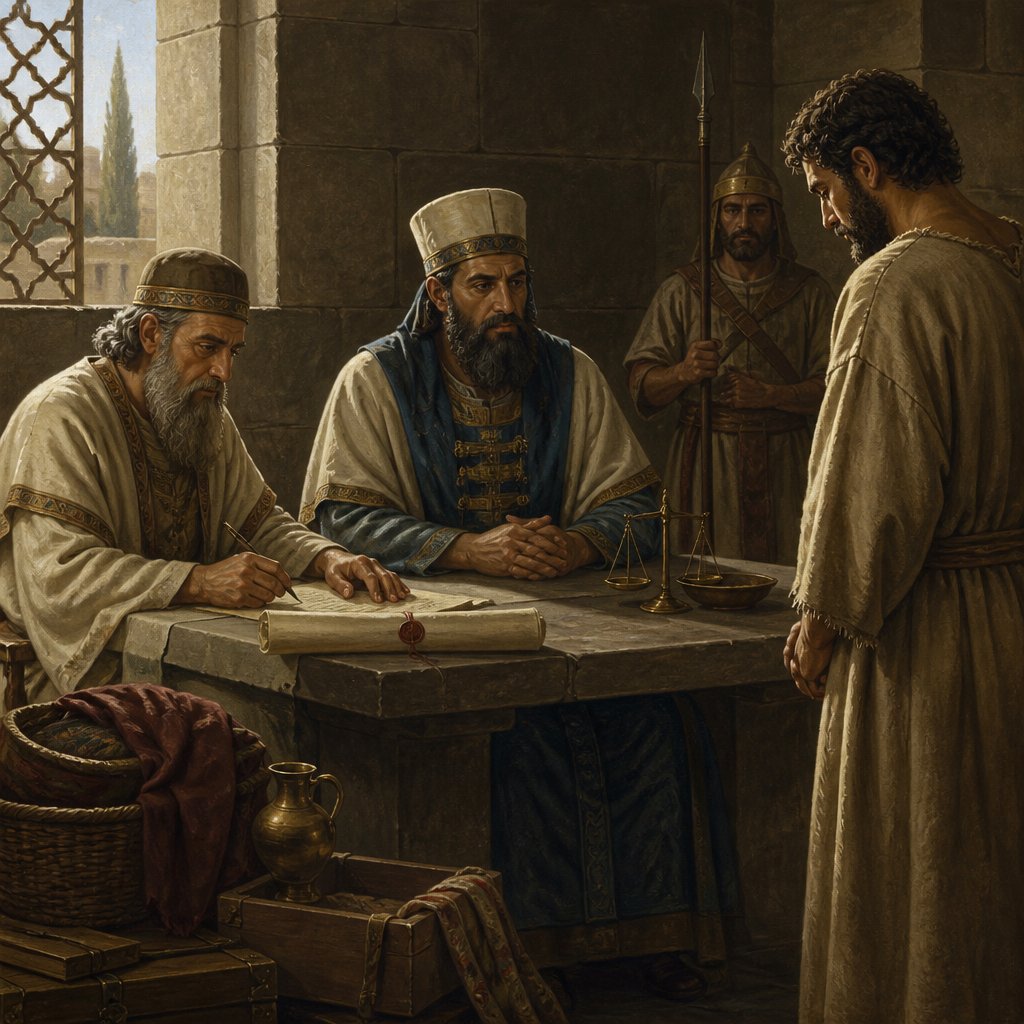
"Ezra 7:26 (KJV) And whosoever will not do the law of thy God, and the law of the king, let judgment be executed speedily upon him, whether it be unto death, or to banishment, or to confiscation of goods, or to imprisonment."
Ezra 7:26 is a verse from the book of Ezra, which is part of the Hebrew Bible and the Christian Old Testament. The book of Ezra focuses on the return of the Jewish exiles from Babylon to Jerusalem, and the rebuilding of the temple. The verse is part of a letter from King Artaxerxes of Persia to Ezra, a priest and scribe of the Israelites. In this letter, King Artaxerxes commands Ezra to enforce the law of God in the land of Israel and to ensure that those who do not obey it will face swift and severe punishment.
The verse begins with the phrase "And whosoever will not do the law of thy God, and the law of the king." This indicates that the people of Israel are expected to obey both the religious laws prescribed by God and the civil laws enacted by the king. This dual expectation reflects the historical context of the book of Ezra, where the Israelites were living under the rule of a foreign king who allowed them to return to Jerusalem and practice their religion, but also expected them to abide by the laws of the land.
The verse then outlines the consequences for those who do not obey the laws, stating "let judgment be executed speedily upon him, whether it be unto death, or to banishment, or to confiscation of goods, or to imprisonment." This reflects the severity of the punishment that would be imposed on those who disobeyed the laws. The mention of death, banishment, confiscation of goods, and imprisonment highlights the uncompromising nature of the law and the swift justice that would be administered to those who transgressed.
One of the key themes of Ezra 7:26 is the importance of obedience to both religious and civil authority. The verse emphasizes the need for the people of Israel to follow the laws of God and the king, and the severe consequences for those who fail to do so. This theme reflects the broader theological and political context of the book of Ezra, where the Israelites were in a delicate position of living under foreign rule and struggling to maintain their religious identity and practices.
The verse also carries a message about the nature of justice and the consequences of disobedience. The mention of swift judgment and severe penalties underscores the seriousness with which the laws were to be upheld and the consequences for those who violated them. This serves as a reminder to the Israelites of the importance of obedience and the potential repercussions of transgression.
Symbolically, Ezra 7:26 can be seen as a representation of the tension between religious and secular authority, and the challenges of living faithfully in a complex and often oppressive political environment. It also highlights the theme of divine justice and the expectation of obedience to the laws of God.
In conclusion, Ezra 7:26 is a verse that emphasizes the importance of obedience to the laws of God and the king, and the consequences for those who fail to adhere to them. It reflects the historical and theological context of the book of Ezra, and carries a message about the nature of justice and the challenges of living faithfully in a complex political environment.
Have questions about Ezra 7:26?
Dive deeper into this scripture with Bible Chat — an AI-powered tool for exploring God's Word through conversation. Ask questions, get context, and grow in your understanding of the Bible.
Get Our Apps


Ezra 7:26 Artwork

Ezra 7:26 - "And whosoever will not do the law of thy God, and the law of the king, let judgment be executed speedily upon him, whether it be unto death, or to banishment, or to confiscation of goods, or to imprisonment."
"And whosoever will not do the law of thy God, and the law of the king, let judgment be executed speedily upon him, whether it be unto death, or to banishment, or to confiscation of goods, or to imprisonment." - Ezra 7:26

Ezra 2:26 - "The children of Ramah and Gaba, six hundred twenty and one."

Ezra 10:26 - "And of the sons of Elam; Mattaniah, Zechariah, and Jehiel, and Abdi, and Jeremoth, and Eliah."

Ezra 7:12 - "Artaxerxes, king of kings, unto Ezra the priest, a scribe of the law of the God of heaven, perfect peace, and at such a time."

Ezra 7:10 - "For Ezra had prepared his heart to seek the law of the LORD, and to do it, and to teach in Israel statutes and judgments."

Ezra 7:1 - "Now after these things, in the reign of Artaxerxes king of Persia, Ezra the son of Seraiah, the son of Azariah, the son of Hilkiah,"

Ezra 7:11 - "¶ Now this is the copy of the letter that the king Artaxerxes gave unto Ezra the priest, the scribe, even a scribe of the words of the commandments of the LORD, and of his statutes to Israel."

Nehemiah 12:26 - "These were in the days of Joiakim the son of Jeshua, the son of Jozadak, and in the days of Nehemiah the governor, and of Ezra the priest, the scribe."

Ezra 7:2 - "The son of Shallum, the son of Zadok, the son of Ahitub,"

Ezra 7:4 - "The son of Zerahiah, the son of Uzzi, the son of Bukki,"

Ezra 7:3 - "The son of Amariah, the son of Azariah, the son of Meraioth,"

Ezra 2:7 - "The children of Elam, a thousand two hundred fifty and four."
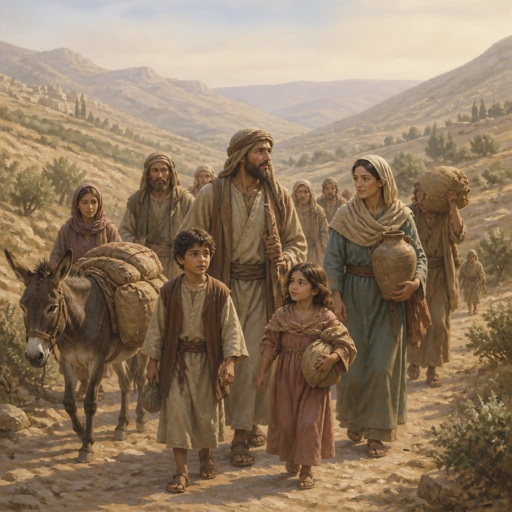
"The children of Ramah and Gaba, six hundred twenty and one." - Ezra 2:26
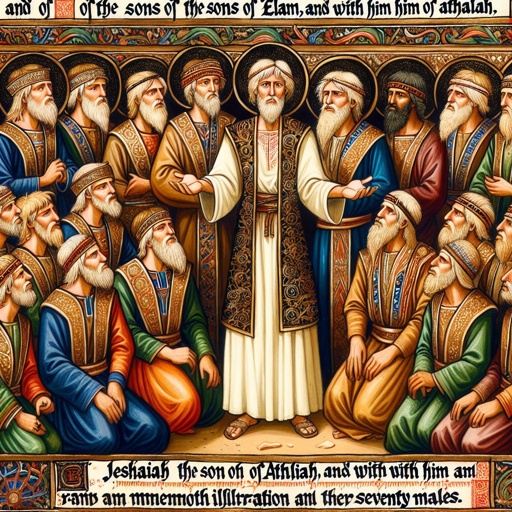
Ezra 8:7 - "And of the sons of Elam; Jeshaiah the son of Athaliah, and with him seventy males."

Ezra 7:8 - "And he came to Jerusalem in the fifth month, which was in the seventh year of the king."

Ezra 7:21 - "And I, even I Artaxerxes the king, do make a decree to all the treasurers which are beyond the river, that whatsoever Ezra the priest, the scribe of the law of the God of heaven, shall require of you, it be done speedily,"

Ezra 7:7 - "And there went up some of the children of Israel, and of the priests, and the Levites, and the singers, and the porters, and the Nethinims, unto Jerusalem, in the seventh year of Artaxerxes the king."

Ezra 8:26 - "I even weighed unto their hand six hundred and fifty talents of silver, and silver vessels an hundred talents, and of gold an hundred talents;"

Ezra 7:5 - "The son of Abishua, the son of Phinehas, the son of Eleazar, the son of Aaron the chief priest:"

"And of the sons of Elam; Mattaniah, Zechariah, and Jehiel, and Abdi, and Jeremoth, and Eliah." - Ezra 10:26

Ezra 7:6 - "This Ezra went up from Babylon; and he was a ready scribe in the law of Moses, which the LORD God of Israel had given: and the king granted him all his request, according to the hand of the LORD his God upon him."

Ezra 7:25 - "And thou, Ezra, after the wisdom of thy God, that is in thine hand, set magistrates and judges, which may judge all the people that are beyond the river, all such as know the laws of thy God; and teach ye them that know them not."

"Artaxerxes, king of kings, unto Ezra the priest, a scribe of the law of the God of heaven, perfect peace, and at such a time." - Ezra 7:12

"For Ezra had prepared his heart to seek the law of the LORD, and to do it, and to teach in Israel statutes and judgments." - Ezra 7:10

Ezra 5:7 - "They sent a letter unto him, wherein was written thus; Unto Darius the king, all peace."

"Now after these things, in the reign of Artaxerxes king of Persia, Ezra the son of Seraiah, the son of Azariah, the son of Hilkiah," - Ezra 7:1

"The son of Zerahiah, the son of Uzzi, the son of Bukki," - Ezra 7:4

Ezra 7:19 - "The vessels also that are given thee for the service of the house of thy God, those deliver thou before the God of Jerusalem."

"The son of Amariah, the son of Azariah, the son of Meraioth," - Ezra 7:3