What does Ezra 6:6 mean?
"Now therefore, Tatnai, governor beyond the river, Shethar-boznai, and your companions the Apharsachites, which are beyond the river, be ye far from thence:" - Ezra 6:6
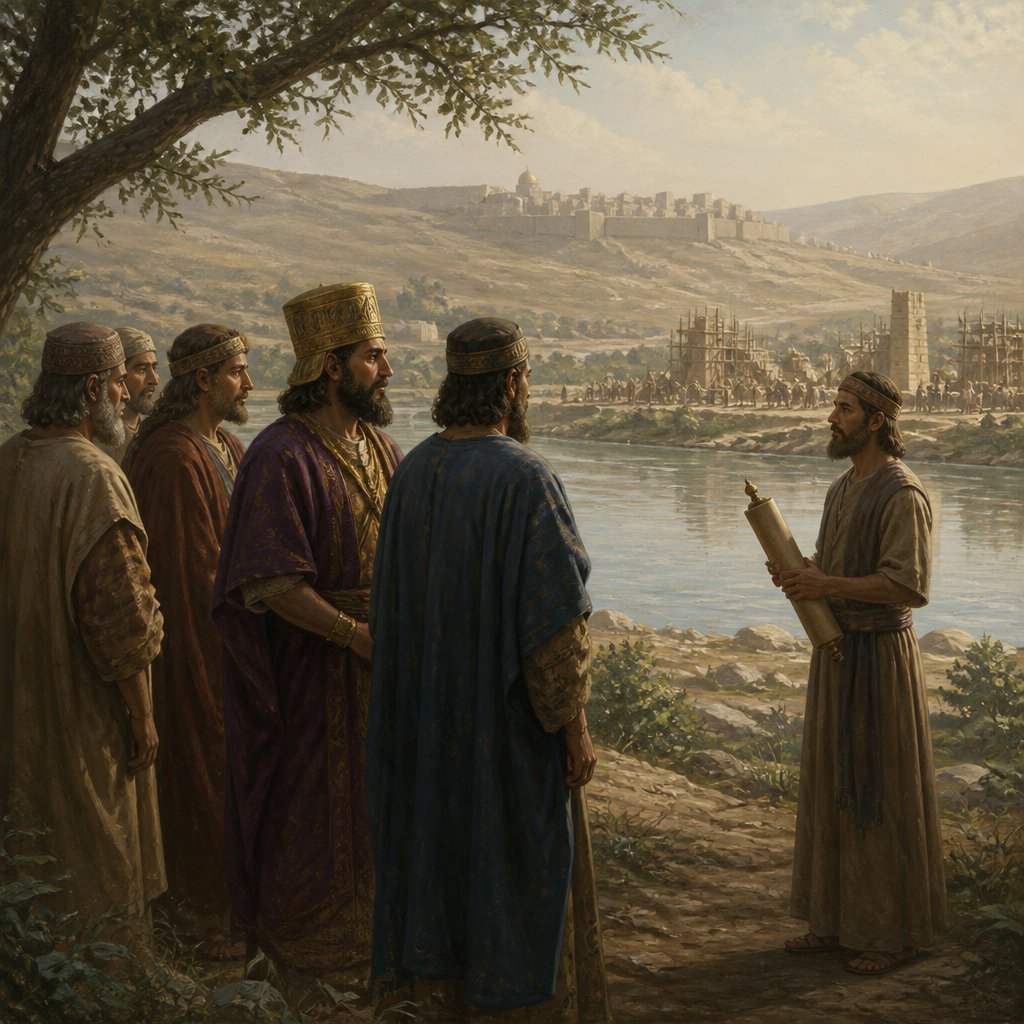
Ezra 6:6 King James Version (KJV) says, "Now therefore, Tatnai, governor beyond the river, Shetharboznai, and your companions the Apharsachites, which are beyond the river, be ye far from thence."
This verse is part of a larger passage within the book of Ezra, which details the rebuilding of the temple in Jerusalem after the Israelites return from exile in Babylon. The book of Ezra is a historical account of the rebuilding of the temple and the restoration of the Jewish community in Jerusalem. In this particular verse, the Persian governor Tatnai and his companions are being commanded to stay away from the work of rebuilding the temple.
The context of this verse is important for understanding its meaning. The Israelites had been exiled to Babylon by the Babylonian king Nebuchadnezzar in 586 BC. After 70 years of exile, the Persians, under the rule of King Cyrus, conquered Babylon and allowed the Israelites to return to Jerusalem and rebuild their temple. In the midst of this rebuilding process, the governor Tatnai and his companions attempt to stop the work by appealing to King Darius. However, Darius, upon reviewing the archives, finds a decree from King Cyrus that permits the Israelites to rebuild the temple and commands Tatnai and his companions to stay away from the Jews and their work.
The verse itself is a command given by King Darius to Tatnai and his companions. The language used in the verse is authoritative and firm, expressing a stern warning to those who would oppose the work of God. The phrase "be ye far from thence" is a direct command to stay away from the temple and the Israelites as they carry out their rebuilding efforts. The repetition of "beyond the river" emphasizes the distance that Tatnai and his companions are to maintain from the temple and the Jewish community.
The theme of God's sovereignty and protection is evident in this verse. Despite the opposition from foreign governors and leaders, God ensures that His people are able to carry out His plan for the rebuilding of the temple. The verse also highlights the importance of obedience to God's commands, as it is through Darius' obedience to the decree of King Cyrus that the Israelites are able to continue their work unhindered.
Symbolism is also present in this verse, as the governor and his companions represent the forces of opposition that often seek to hinder the work of God. Their command to stay away from the rebuilding of the temple serves as a symbol of the protection and provision that God provides for His people in the face of opposition. The river mentioned in the verse may symbolize a barrier or boundary that Tatnai and his companions are not to cross, emphasizing the division between those who seek to interfere with God's work and those who are carrying it out.
In conclusion, Ezra 6:6 KJV speaks to the themes of God's sovereignty, protection, and obedience to His commands. It serves as a reminder of the faithfulness of God in ensuring that His plans are carried out despite opposition, and the symbolism within the verse adds depth to its meaning. Overall, this verse is a testament to the power and authority of God in the face of opposition, and a call to obedience and trust in His providence.
Have questions about Ezra 6:6?
Dive deeper into this scripture with Bible Chat — an AI-powered tool for exploring God's Word through conversation. Ask questions, get context, and grow in your understanding of the Bible.
Get Our Apps


Ezra 6:6 Artwork

Ezra 6:6 - "Now therefore, Tatnai, governor beyond the river, Shethar-boznai, and your companions the Apharsachites, which are beyond the river, be ye far from thence:"
"Now therefore, Tatnai, governor beyond the river, Shethar-boznai, and your companions the Apharsachites, which are beyond the river, be ye far from thence:" - Ezra 6:6

Ezra 9:6

Ezra 6:16

Zerubbabel in Ezra chapter 6

Ezra 6:1-12

Ezra 6:15-16

Ezra 6:15-16

Ezra 6:19 - "And the children of the captivity kept the passover upon the fourteenth day of the first month."

Ezra 8:6 - "Of the sons also of Adin; Ebed the son of Jonathan, and with him fifty males."

Ezra 6:2 - "And there was found at Achmetha, in the palace that is in the province of the Medes, a roll, and therein was a record thus written:"

Ezra 2:6 - "The children of Pahath-moab, of the children of Jeshua and Joab, two thousand eight hundred and twelve."

Ezra 6:15 - "And this house was finished on the third day of the month Adar, which was in the sixth year of the reign of Darius the king."

Ezra 6:18 - "And they set the priests in their divisions, and the Levites in their courses, for the service of God, which is at Jerusalem; as it is written in the book of Moses."

Ezra 6:16 - "¶ And the children of Israel, the priests, and the Levites, and the rest of the children of the captivity, kept the dedication of this house of God with joy,"

Ezra 6:10 - "That they may offer sacrifices of sweet savours unto the God of heaven, and pray for the life of the king, and of his sons."

Ezra 4:6 - "And in the reign of Ahasuerus, in the beginning of his reign, wrote they unto him an accusation against the inhabitants of Judah and Jerusalem."

Ezra 6:4 - "With three rows of great stones, and a row of new timber: and let the expenses be given out of the king's house:"

Ezra 6:1 - "Then Darius the king made a decree, and search was made in the house of the rolls, where the treasures were laid up in Babylon."

Ezra 7:6 - "This Ezra went up from Babylon; and he was a ready scribe in the law of Moses, which the LORD God of Israel had given: and the king granted him all his request, according to the hand of the LORD his God upon him."

Ezra 6:7 - "Let the work of this house of God alone; let the governor of the Jews and the elders of the Jews build this house of God in his place."

Ezra 3:6 - "From the first day of the seventh month began they to offer burnt offerings unto the LORD. But the foundation of the temple of the LORD was not yet laid."

Ezra 6:13 - "¶ Then Tatnai, governor on this side the river, Shethar-boznai, and their companions, according to that which Darius the king had sent, so they did speedily."
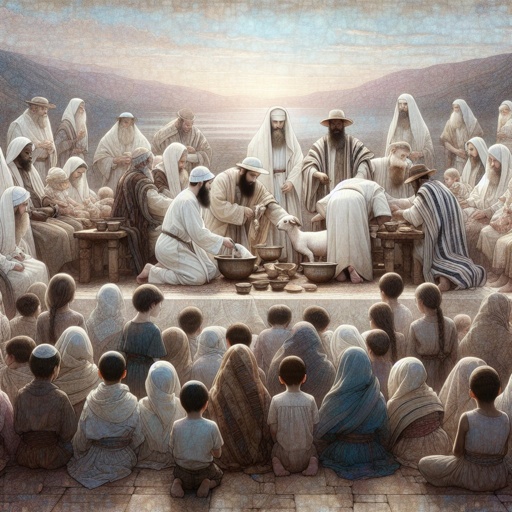
Ezra 6:20 - "For the priests and the Levites were purified together, all of them were pure, and killed the passover for all the children of the captivity, and for their brethren the priests, and for themselves."

Ezra 1:6 - "And all they that were about them strengthened their hands with vessels of silver, with gold, with goods, and with beasts, and with precious things, beside all that was willingly offered."

Ezra 10:6 - "¶ Then Ezra rose up from before the house of God, and went into the chamber of Johanan the son of Eliashib: and when he came thither, he did eat no bread, nor drink water: for he mourned because of the transgression of them that had been carried away."

Nehemiah 8:6 - "And Ezra blessed the LORD, the great God. And all the people answered, Amen, Amen, with lifting up their hands: and they bowed their heads, and worshipped the LORD with their faces to the ground."

Ezra 5:6 - "¶ The copy of the letter that Tatnai, governor on this side the river, and Shethar-boznai, and his companions the Apharsachites, which were on this side the river, sent unto Darius the king:"
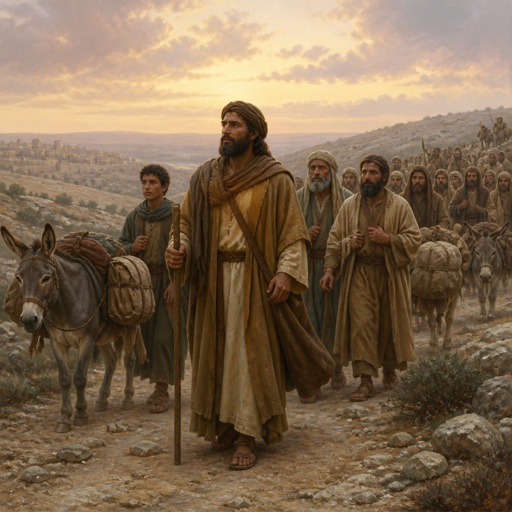
"Of the sons also of Adin; Ebed the son of Jonathan, and with him fifty males." - Ezra 8:6

"And the children of the captivity kept the passover upon the fourteenth day of the first month." - Ezra 6:19