What does Ezra 4:24 mean?
"Then ceased the work of the house of God which is at Jerusalem. So it ceased unto the second year of the reign of Darius king of Persia." - Ezra 4:24
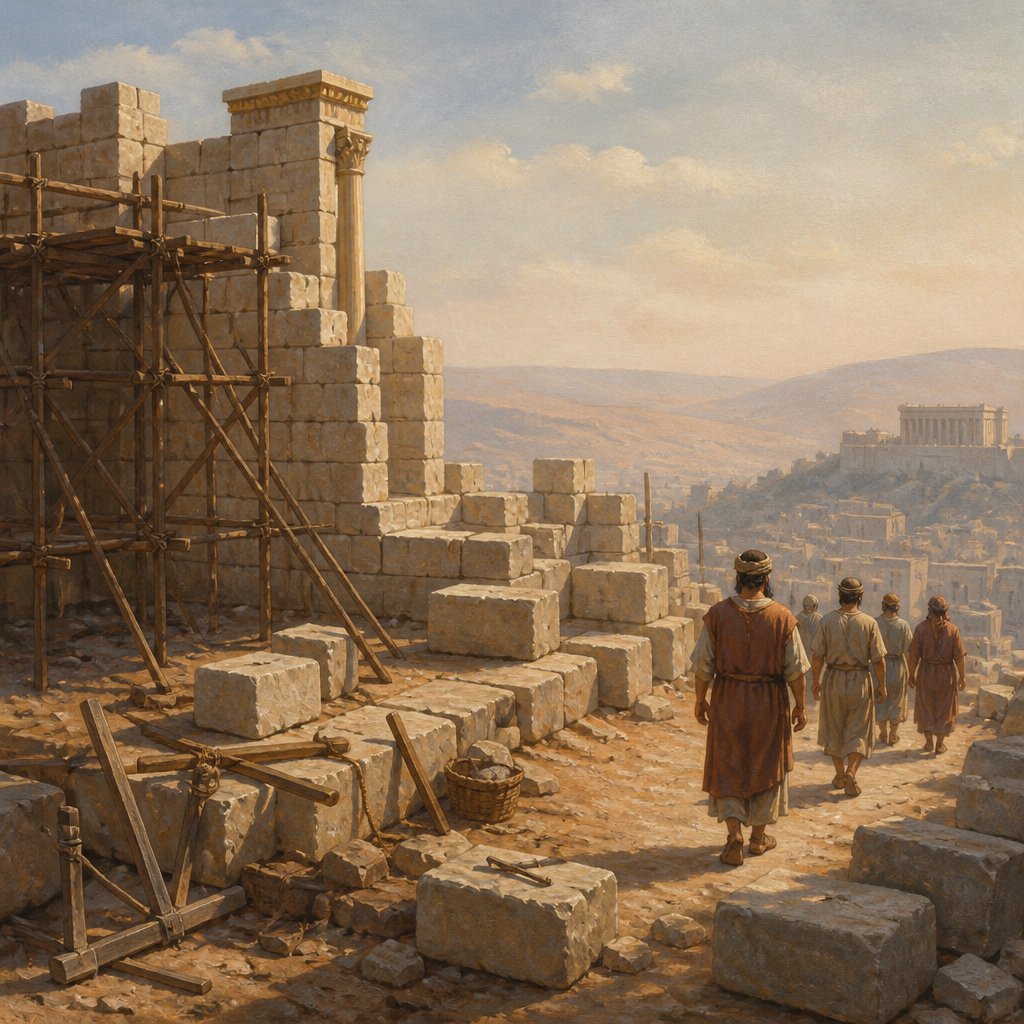
Ezra 4:24 in the King James Version of the Bible states, "Then ceased the work of the house of God which is at Jerusalem. So it ceased unto the second year of the reign of Darius king of Persia."
This verse comes at the end of a passage describing the opposition the Jewish people faced as they sought to rebuild the temple in Jerusalem. The context of this verse is important for understanding its meaning and significance. After the exile in Babylon, the Jewish people were given permission by the Persian king, Cyrus, to return to their homeland and rebuild the temple. However, they faced opposition from the surrounding peoples who sought to prevent this rebuilding effort. This verse marks a significant turning point in the narrative as it describes the cessation of the work on the house of God in Jerusalem.
One of the key themes in this verse is the sovereignty of God. Despite the opposition faced by the Jewish people, God's plan for the restoration of the temple and the renewal of the covenant with His people was ultimately unstoppable. This verse serves as a reminder that even in the face of opposition and obstacles, God's purpose will ultimately be fulfilled. It also highlights the importance of perseverance and faithfulness in the midst of adversity.
Another theme present in this verse is the power and influence of earthly rulers. The work on the house of God ceased due to the order of King Artaxerxes, demonstrating the ability of earthly kings to impact the plans and actions of God's people. This serves as a reminder of the complex interplay between human agency and divine providence, as well as the need for God's people to navigate the political and social realities of their time.
The symbolism of the house of God in this verse is also significant. The temple in Jerusalem was a physical representation of God's presence among His people and the center of their worship and religious life. The cessation of the work on the temple represents a halt in the spiritual and communal life of the Jewish people. It serves as a symbol of the disruption and disconnection that occurs when God's people are unable to fully express their devotion and worship.
The historical context of this verse is also important for understanding its meaning. The Persian Empire played a significant role in the history of Israel, and the reign of Darius, mentioned in this verse, was a time of both challenge and opportunity for the Jewish people. The political and social realities of this period shaped the experiences and actions of God's people, and this verse reflects the impact of these external forces on the religious and cultural life of the Jewish community.
In conclusion, Ezra 4:24 is a verse that conveys important themes of God's sovereignty, human agency, and the significance of the temple in the life of the Jewish people. It serves as a reminder of the complexities of navigating faith in the midst of opposition and the need for perseverance and trust in God's ultimate purposes. The verse also provides insight into the historical and social context of the Jewish community during the Persian period, highlighting the interplay between political power and religious practice. Overall, this verse offers a rich and layered exploration of faith, politics, and the enduring presence of God in the midst of adversity.
Have questions about Ezra 4:24?
Dive deeper into this scripture with Bible Chat — an AI-powered tool for exploring God's Word through conversation. Ask questions, get context, and grow in your understanding of the Bible.
Get Our Apps


Ezra 4:24 Artwork

Ezra 4:24 - "Then ceased the work of the house of God which is at Jerusalem. So it ceased unto the second year of the reign of Darius king of Persia."
"Then ceased the work of the house of God which is at Jerusalem. So it ceased unto the second year of the reign of Darius king of Persia." - Ezra 4:24

Ezra 4:4

Ezra 2:24 - "The children of Azmaveth, forty and two."

Ezra 4:4

Ezra 10:24 - "Of the singers also; Eliashib: and of the porters; Shallum, and Telem, and Uri."
"The children of Azmaveth, forty and two." - Ezra 2:24

Ezra 8:24 - "¶ Then I separated twelve of the chief of the priests, Sherebiah, Hashabiah, and ten of their brethren with them,"

Zerubbabel in Ezra chapter 4

Zerubbabel in Ezra chapter 4

Ezra 4:4 - "Then the people of the land weakened the hands of the people of Judah, and troubled them in building,"

Letter to the king in Ezra chapter 4

Ezra 7:4 - "The son of Zerahiah, the son of Uzzi, the son of Bukki,"

Ezra 2:4 - "The children of Shephatiah, three hundred seventy and two."
"Of the singers also; Eliashib: and of the porters; Shallum, and Telem, and Uri." - Ezra 10:24

Ezra 8:4 - "Of the sons of Pahath-moab; Elihoenai the son of Zerahiah, and with him two hundred males."

Ezra 4:22 - "Take heed now that ye fail not to do this: why should damage grow to the hurt of the kings?"

Ezra 5:4 - "Then said we unto them after this manner, What are the names of the men that make this building?"

Ezra 4:8 - "Rehum the chancellor and Shimshai the scribe wrote a letter against Jerusalem to Artaxerxes the king in this sort:"

Ezra 10:4 - "Arise; for this matter belongeth unto thee: we also will be with thee: be of good courage, and do it."

"Then the people of the land weakened the hands of the people of Judah, and troubled them in building," - Ezra 4:4

Ezra 4:18 - "The letter which ye sent unto us hath been plainly read before me."

"The son of Zerahiah, the son of Uzzi, the son of Bukki," - Ezra 7:4

Ezra 7:24 - "Also we certify you, that touching any of the priests and Levites, singers, porters, Nethinims, or ministers of this house of God, it shall not be lawful to impose toll, tribute, or custom, upon them."

Ezra 4:6 - "And in the reign of Ahasuerus, in the beginning of his reign, wrote they unto him an accusation against the inhabitants of Judah and Jerusalem."

Ezra 6:4 - "With three rows of great stones, and a row of new timber: and let the expenses be given out of the king's house:"
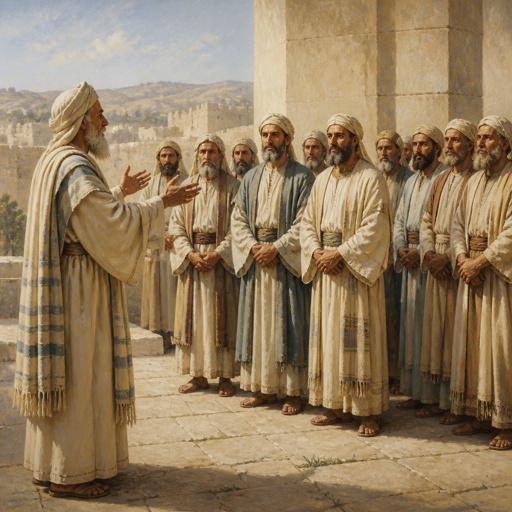
"¶ Then I separated twelve of the chief of the priests, Sherebiah, Hashabiah, and ten of their brethren with them," - Ezra 8:24

Ezra 4:10 - "And the rest of the nations whom the great and noble Asnappar brought over, and set in the cities of Samaria, and the rest that are on this side the river, and at such a time."

1 Chronicles 4:17 - "And the sons of Ezra were, Jether, and Mered, and Epher, and Jalon: and she bare Miriam, and Shammai, and Ishbah the father of Eshtemoa."

Ezra 4:1 - "Now when the adversaries of Judah and Benjamin heard that the children of the captivity builded the temple unto the LORD God of Israel;"