What does Ezra 4:18 mean?
"The letter which ye sent unto us hath been plainly read before me." - Ezra 4:18
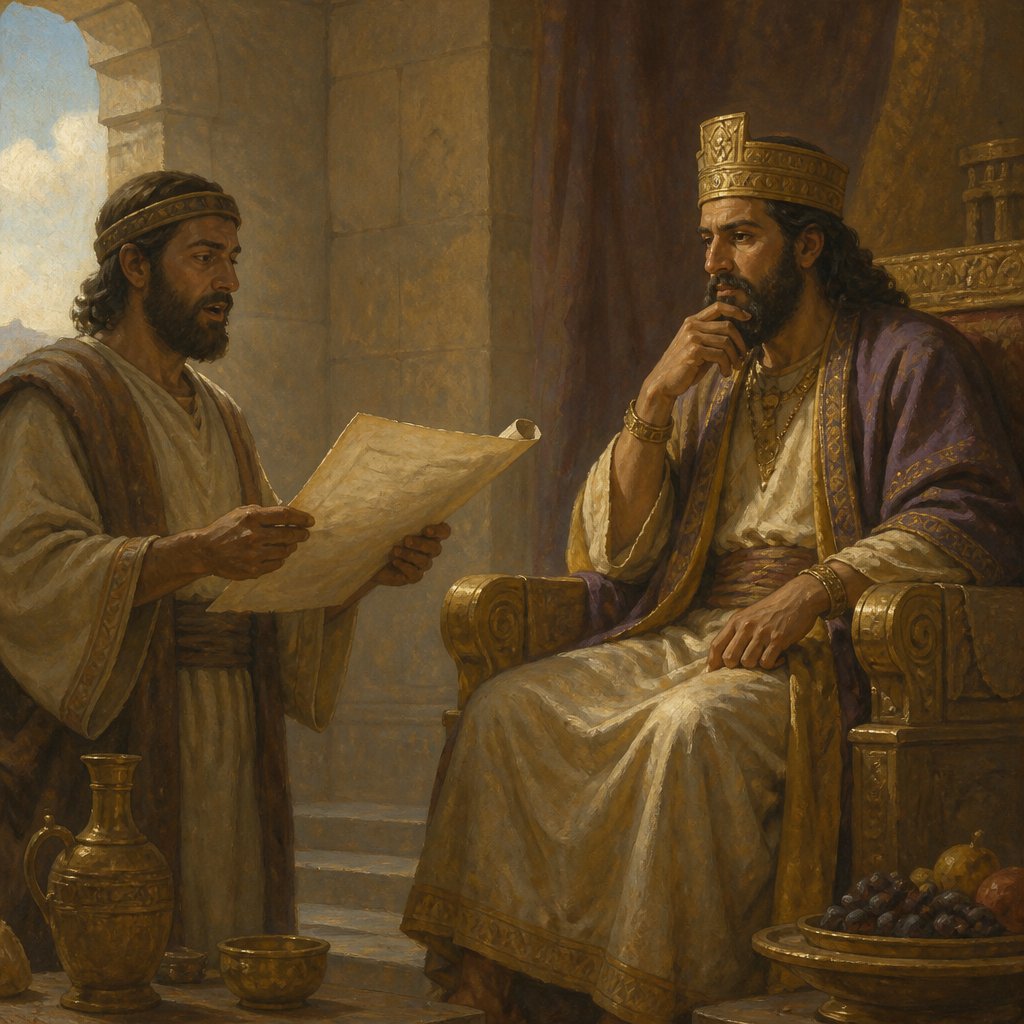
Ezra 4:18 (KJV) says, "The letter which ye sent unto us hath been plainly read before me." This verse is part of a larger passage in the book of Ezra that recounts the challenges faced by the Jewish people as they sought to rebuild the temple in Jerusalem after their return from Babylonian exile. This verse, in particular, highlights the opposition and antagonism that the Jewish people encountered from neighboring groups as they attempted to rebuild their sacred place of worship.
In order to fully understand the meaning and significance of this verse, it is important to provide some context. The book of Ezra is set during the time of the Jewish exile in Babylon, a period of great trial and suffering for the Jewish people. However, after the Persian king Cyrus issued a decree allowing the Jews to return to Jerusalem and rebuild their temple, a group of Jewish exiles, led by Zerubbabel and Ezra, set out to carry out this task. However, they faced opposition from the surrounding peoples, including the Samaritans, who sought to frustrate and hinder the rebuilding process. This verse comes at a critical juncture of the story, as it reflects the contempt and ridicule directed toward the Jewish people in their efforts to restore their sacred site.
The letter mentioned in this verse serves as a symbol of the verbal attacks and antagonism faced by the Jewish people. The fact that it was "plainly read before me" indicates that the content of the letter was not concealed, and its disrespectful and hostile nature was fully acknowledged. This highlights the openness and transparency with which the Jewish leaders were dealing with their adversaries, not shying away from the challenges they faced.
The themes present in this verse are numerous. One of the central themes is the conflict between good and evil, as seen in the opposition of the Samaritans and others to the righteous endeavors of the Jewish people. It also illustrates the theme of perseverance in the face of adversity, as the Jewish people were determined to press on with their mission despite the opposition they encountered. Another important theme is the sovereignty of God, as the Jewish people entrusted their cause to the Lord, believing in His providential care and protection.
This verse also serves as a reminder of the power of words and the impact they can have. The derogatory letter sent to the Jewish leaders was meant to discourage and dishearten them, yet their response revealed a strength and resolve that transcended mere words. This demonstrates the importance of courage and steadfastness in the face of adversity, a lesson that continues to be relevant today.
Overall, Ezra 4:18 (KJV) is a verse that captures the spirit of perseverance and fortitude displayed by the Jewish people as they sought to rebuild their temple in the face of fierce opposition. It serves as a powerful reminder of the enduring nature of faith and the resilience of the human spirit in the face of adversity. This verse encourages readers to take heart, to stand firm in their beliefs, and to trust in the sovereignty of God, even when faced with seemingly insurmountable challenges.
Have questions about Ezra 4:18?
Dive deeper into this scripture with Bible Chat — an AI-powered tool for exploring God's Word through conversation. Ask questions, get context, and grow in your understanding of the Bible.
Get Our Apps


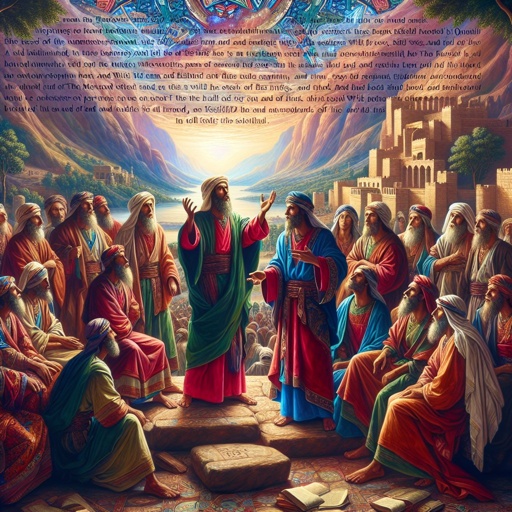
Ezra 4:18 Artwork

Ezra 4:18 - "The letter which ye sent unto us hath been plainly read before me."
"The letter which ye sent unto us hath been plainly read before me." - Ezra 4:18

Ezra 4:4

Ezra 4:4
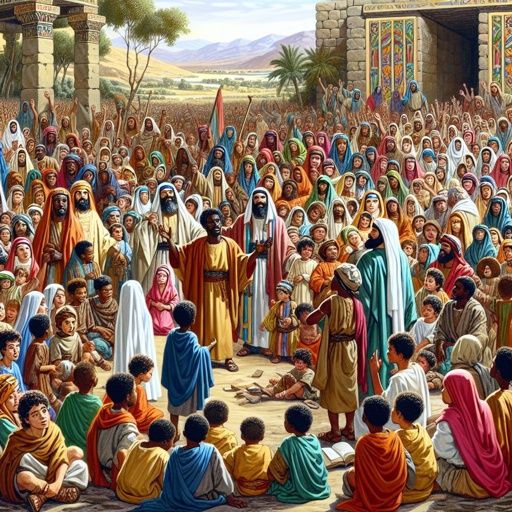
Ezra 2:18 - "The children of Jorah, an hundred and twelve."

Zerubbabel in Ezra chapter 4

Zerubbabel in Ezra chapter 4

Ezra 4:4 - "Then the people of the land weakened the hands of the people of Judah, and troubled them in building,"
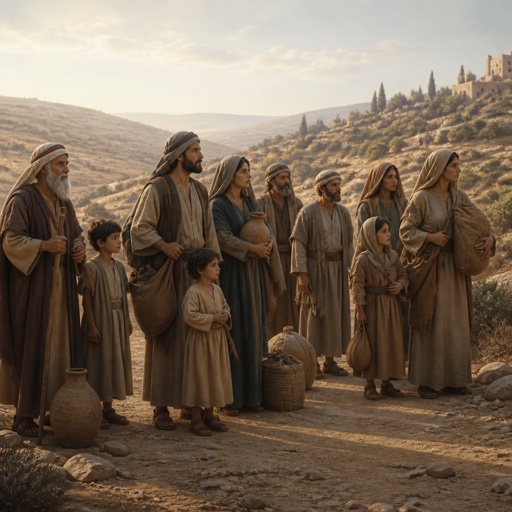
"The children of Jorah, an hundred and twelve." - Ezra 2:18

Letter to the king in Ezra chapter 4

Ezra 7:4 - "The son of Zerahiah, the son of Uzzi, the son of Bukki,"

Ezra 2:4 - "The children of Shephatiah, three hundred seventy and two."

Ezra 6:18 - "And they set the priests in their divisions, and the Levites in their courses, for the service of God, which is at Jerusalem; as it is written in the book of Moses."

Ezra 7:18 - "And whatsoever shall seem good to thee, and to thy brethren, to do with the rest of the silver and the gold, that do after the will of your God."

Ezra 8:4 - "Of the sons of Pahath-moab; Elihoenai the son of Zerahiah, and with him two hundred males."

Ezra 4:22 - "Take heed now that ye fail not to do this: why should damage grow to the hurt of the kings?"

Ezra 5:4 - "Then said we unto them after this manner, What are the names of the men that make this building?"

Ezra 4:8 - "Rehum the chancellor and Shimshai the scribe wrote a letter against Jerusalem to Artaxerxes the king in this sort:"

Ezra 10:4 - "Arise; for this matter belongeth unto thee: we also will be with thee: be of good courage, and do it."

"Then the people of the land weakened the hands of the people of Judah, and troubled them in building," - Ezra 4:4

"The son of Zerahiah, the son of Uzzi, the son of Bukki," - Ezra 7:4

Ezra 4:6 - "And in the reign of Ahasuerus, in the beginning of his reign, wrote they unto him an accusation against the inhabitants of Judah and Jerusalem."

Ezra 6:4 - "With three rows of great stones, and a row of new timber: and let the expenses be given out of the king's house:"

Ezra 4:10 - "And the rest of the nations whom the great and noble Asnappar brought over, and set in the cities of Samaria, and the rest that are on this side the river, and at such a time."

Ezra 4:24 - "Then ceased the work of the house of God which is at Jerusalem. So it ceased unto the second year of the reign of Darius king of Persia."

1 Chronicles 4:17 - "And the sons of Ezra were, Jether, and Mered, and Epher, and Jalon: and she bare Miriam, and Shammai, and Ishbah the father of Eshtemoa."

Ezra 4:1 - "Now when the adversaries of Judah and Benjamin heard that the children of the captivity builded the temple unto the LORD God of Israel;"

"The children of Shephatiah, three hundred seventy and two." - Ezra 2:4

Ezra 10:18 - "¶ And among the sons of the priests there were found that had taken strange wives: namely, of the sons of Jeshua the son of Jozadak, and his brethren; Maaseiah, and Eliezer, and Jarib, and Gedaliah."
Ezra 8:18 - "And by the good hand of our God upon us they brought us a man of understanding, of the sons of Mahli, the son of Levi, the son of Israel; and Sherebiah, with his sons and his brethren, eighteen;"