What does Ezra 3:2 mean?
"Then stood up Jeshua the son of Jozadak, and his brethren the priests, and Zerubbabel the son of Shealtiel, and his brethren, and builded the altar of the God of Israel, to offer burnt offerings thereon, as it is written in the law of Moses the man of God." - Ezra 3:2

Ezra 3:2 (KJV) reads: "Then stood up Jeshua the son of Jozadak, and his brethren the priests, and Zerubbabel the son of Shealtiel, and his brethren, and builded the altar of the God of Israel, to offer burnt offerings thereon, as it is written in the law of Moses the man of God."
This verse comes from the book of Ezra, which is a historical book in the Old Testament of the Bible. It is believed to have been written by Ezra himself, a scribe and priest who lived during the time of the Israelites' return from exile in Babylon. The book of Ezra recounts the events surrounding the rebuilding of the temple in Jerusalem after the exile, under the leadership of Zerubbabel and later Ezra.
In Ezra 3:2, we see the beginning of the efforts to rebuild the temple. Jeshua the son of Jozadak, the high priest, and Zerubbabel the son of Shealtiel, a descendant of King David, were prominent leaders in this endeavor. They, along with their fellow priests and brethren, took on the task of rebuilding the altar of the God of Israel in order to resume the sacrificial offerings prescribed in the law of Moses.
The building of the altar was significant on several levels. Firstly, it symbolized the reestablishment of the worship of God in Jerusalem after the years of exile. The altar was the central place of worship and sacrifice for the Israelites, and its reconstruction marked the recommitment to their religious practices and traditions. Secondly, it demonstrated the obedience of the people to the law of Moses, showing their reverence for God's commandments and their desire to live in accordance with them.
The act of offering burnt offerings on the altar was a crucial part of the Israelite religious rituals. These sacrifices were seen as a way to atone for sins, express gratitude, and seek favor from God. By reinstating this practice, the people were acknowledging their need for forgiveness and reconciliation with God. The burnt offerings were a tangible expression of their devotion and desire to restore their relationship with God.
Furthermore, the rebuilding of the altar symbolized the hope and resilience of the Israelite community. Despite the challenges they faced in returning to their homeland and rebuilding their lives, they were determined to restore their religious identity and heritage. The altar served as a physical reminder of God's faithfulness and the enduring nature of their covenant relationship with Him.
In a broader context, Ezra 3:2 reflects the themes of restoration, renewal, and obedience to God's law. The return from exile was a period of great significance for the Israelites, as they sought to reclaim their identity and purpose as God's chosen people. The rebuilding of the temple and the reinstatement of religious practices were integral to this process of renewal and recommitment to their faith.
In conclusion, Ezra 3:2 captures a pivotal moment in the history of the Israelites, as they embarked on the monumental task of rebuilding their place of worship and reestablishing their religious practices. This verse serves as a powerful reminder of the importance of faithfulness, obedience, and resilience in the face of adversity. It also underscores the enduring significance of the Israelites' covenant relationship with God and their unwavering commitment to His law.
Have questions about Ezra 3:2?
Dive deeper into this scripture with Bible Chat — an AI-powered tool for exploring God's Word through conversation. Ask questions, get context, and grow in your understanding of the Bible.
Get Our Apps


Ezra 3:2 Artwork

Ezra 3:2

Ezra 3:2

Ezra 3:2

Ezra 3:2

Ezra 3:2

Ezra 3:2 - "Then stood up Jeshua the son of Jozadak, and his brethren the priests, and Zerubbabel the son of Shealtiel, and his brethren, and builded the altar of the God of Israel, to offer burnt offerings thereon, as it is written in the law of Moses the man of God."

"Then stood up Jeshua the son of Jozadak, and his brethren the priests, and Zerubbabel the son of Shealtiel, and his brethren, and builded the altar of the God of Israel, to offer burnt offerings thereon, as it is written in the law of Moses the man of God." - Ezra 3:2

Ezra 2:3 - "The children of Parosh, two thousand an hundred seventy and two."

"The children of Parosh, two thousand an hundred seventy and two." - Ezra 2:3

Ezra 10:3

Ezra 3:10

Ezra 3:9

Ezra 9:3

Ezra 10:3

Zerubbabel in Ezra chapter 3

Altar rebuilt in Jerusalem. Ezra 3:1-3

Ezra 7:3 - "The son of Amariah, the son of Azariah, the son of Meraioth,"

Ezra 9:1-2

Zerubbabel in Ezra chapter 2

Pagan women leave with their children ezra 10:3

Ezra 2:22 - "The men of Netophah, fifty and six."
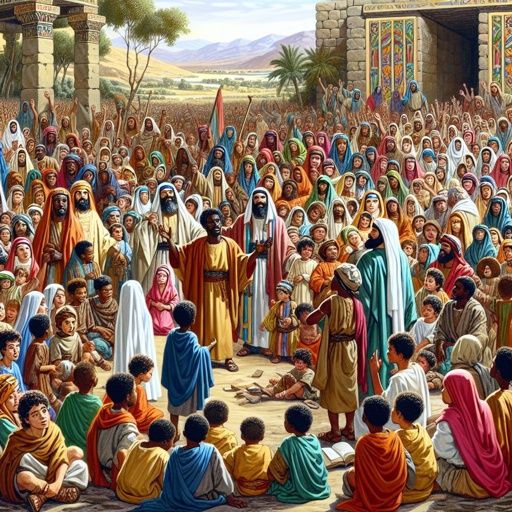
Ezra 2:18 - "The children of Jorah, an hundred and twelve."

Ezra 2:54 - "The children of Neziah, the children of Hatipha."

Ezra 2:20 - "The children of Gibbar, ninety and five."

Ezra 2:24 - "The children of Azmaveth, forty and two."

Ezra 2:39 - "The children of Harim, a thousand and seventeen."

Pagan women leave with their children ezra 10:3

Ezra 9:1-2

Ezra 2:9 - "The children of Zaccai, seven hundred and threescore."

Ezra 2:27 - "The men of Michmas, an hundred twenty and two."