What does Ezra 2:9 mean?
"The children of Zaccai, seven hundred and threescore." - Ezra 2:9

Ezra 2:9 in the King James Version reads: "The children of Zaccai, seven hundred and threescore."
This verse is part of a list of the sons of Zaccai who returned from exile in Babylon to Jerusalem under the leadership of Zerubbabel. They were returning to rebuild the temple of the Lord, which had been destroyed by the Babylonians. The book of Ezra provides a detailed account of the return of the exiles and the rebuilding of the temple.
The significance of this verse lies not just in the specific number of the children of Zaccai who returned, but in the broader context of the return of the Israelites from exile. The return from exile is a central theme in the Hebrew Bible, and it symbolizes God's faithfulness to his people, their hope for the future, and the restoration of their relationship with God.
The inclusion of specific numbers in this verse also serves a deeper purpose. In ancient Hebrew culture, numbers had significant symbolic meaning. The number seven, for example, represents completion or perfection. In this verse, the fact that there were seven hundred and threescore (or sixty) children of Zaccai who returned may be a symbolic representation of the completeness and wholeness of the group returning from exile.
The journey of the Israelites from exile to return to their homeland also serves as a metaphor for the spiritual journey of individuals. It represents the experience of being separated from God by sin and then being restored to a right relationship with Him. The return from exile is a powerful symbol of repentance, redemption, and reconciliation.
In a broader sense, this verse and the entire book of Ezra speak to themes of faithfulness, obedience, and the importance of worshiping and serving God. The return from exile was a fulfillment of God's promises and a demonstration of His faithfulness to His people. It also emphasizes the importance of the temple and the worship of God in the life of the community.
The return from exile also serves as a reminder of the consequences of disobedience and the faithfulness of God in restoring His people. The exile was a result of the Israelites' sin and rebellion against God, but the return was a demonstration of God's mercy and grace.
The specific mention of the sons of Zaccai also serves as a reminder of the individuality and importance of each person in God's plan. Each individual in the group of returnees had a specific role to play in the restoration of the community and the worship of God. This verse emphasizes the value of each person's contribution to the larger community and the kingdom of God.
In conclusion, Ezra 2:9, with its mention of the children of Zaccai, serves as a reminder of the faithfulness of God in restoring His people from exile, the symbolic significance of numbers in the Hebrew Bible, and the importance of individual contributions to the larger community. It also highlights themes of repentance, redemption, and the restoration of relationship with God. This verse, in the broader context of the book of Ezra, continues to be a source of encouragement and hope for believers today, reminding them of God's faithfulness and the importance of worshiping and serving Him.
Have questions about Ezra 2:9?
Dive deeper into this scripture with Bible Chat — an AI-powered tool for exploring God's Word through conversation. Ask questions, get context, and grow in your understanding of the Bible.
Get Our Apps


Ezra 2:9 Artwork

Ezra 2:9 - "The children of Zaccai, seven hundred and threescore."

"The children of Zaccai, seven hundred and threescore." - Ezra 2:9

Ezra 9:1-2

Ezra 9:1-2

Ezra 9:6

Ezra 3:9

Ezra 9:3

Ezra 9:1

Ezra 9:1

Ezra 9:1

Ezra 9:13-15

Ezra 9:2 - "For they have taken of their daughters for themselves, and for their sons: so that the holy seed have mingled themselves with the people of those lands: yea, the hand of the princes and rulers hath been chief in this trespass."

Ezra 3:2

Ezra 3:2

Ezra 3:2

Ezra 3:2

Ezra 3:2

Ezra 8:9 - "Of the sons of Joab; Obadiah the son of Jehiel, and with him two hundred and eighteen males."

Ezra 1:9 - "And this is the number of them: thirty chargers of gold, a thousand chargers of silver, nine and twenty knives,"

Zerubbabel in Ezra chapter 2

Ezra 2:22 - "The men of Netophah, fifty and six."
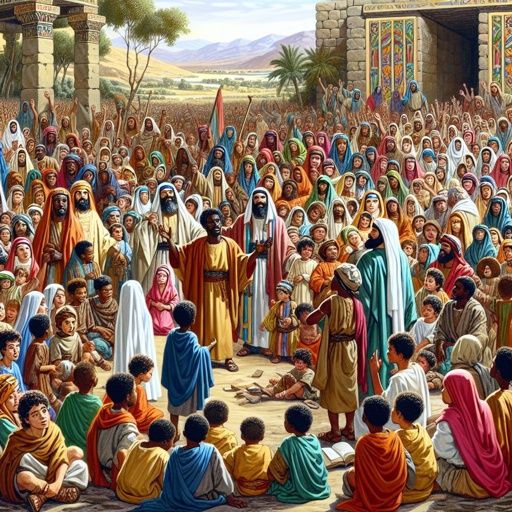
Ezra 2:18 - "The children of Jorah, an hundred and twelve."

Ezra 2:54 - "The children of Neziah, the children of Hatipha."

Ezra 2:20 - "The children of Gibbar, ninety and five."

Ezra 2:24 - "The children of Azmaveth, forty and two."

Ezra 2:39 - "The children of Harim, a thousand and seventeen."

Ezra 2:29 - "The children of Nebo, fifty and two."

Ezra 2:27 - "The men of Michmas, an hundred twenty and two."

Ezra 9:10 - "And now, O our God, what shall we say after this? for we have forsaken thy commandments,"

Ezra 2:37 - "The children of Immer, a thousand fifty and two."