What does Ezra 2:7 mean?
"The children of Elam, a thousand two hundred fifty and four." - Ezra 2:7

In the book of Ezra, Chapter 2, verse 7, the King James Version of the Bible reads: "The children of Elam, a thousand two hundred fifty and four."
Ezra is a historical book of the Old Testament that details the return of the exiled Israelites from Babylon to Jerusalem and the rebuilding of the temple. This particular verse is part of a list of individuals and families who returned to Jerusalem with Zerubbabel following the decree of Cyrus, King of Persia.
The verse appears to be quite straightforward, simply listing the number of people from the tribe of Elam who returned to Jerusalem. However, when examining this verse in the context of the entire passage, as well as the historical and cultural background of the time, one can glean several important themes, context, and symbolic meanings.
Firstly, the fact that the names and numbers of people are specifically recorded in the book of Ezra is significant as it highlights the importance of individual members of the community. Each person is counted and recognized, emphasizing the value of every individual within the community. This reflects a theme of community and unity, as the returning exiles were seeking to rebuild their community and worship together in the temple.
Furthermore, the mention of the tribe of Elam is significant in the context of biblical history. Elam was a region located to the east of Mesopotamia and was home to a people known for their military prowess. In the Bible, Elam is often depicted as a powerful nation with its own language, culture, and identity. However, the inclusion of the tribe of Elam in the list of returnees signifies a sense of unity and common purpose among the disparate groups of exiles. Despite their diverse backgrounds, they all come together with a shared goal of returning to their homeland and rebuilding their community.
The number "a thousand two hundred fifty and four" is also symbolic in several ways. In biblical numerology, the number 12 often represents divine authority and governance, as seen in the twelve tribes of Israel, the twelve apostles, and the twelve gates of the New Jerusalem. The repetition of the number 12 in the count of the tribe of Elam could symbolize divine order, indicating that the return of the exiles and the rebuilding of the temple were part of God's sovereign plan.
Additionally, the large number of people from the tribe of Elam reflects the magnitude of the return of the exiles and the significance of the restoration of the community. The list of returning exiles serves as a testament to God's faithfulness in preserving and restoring his people, even after a period of exile and upheaval.
In conclusion, though Ezra 2:7 may seem like a simple verse listing numbers, it holds deeper meanings and significance within the broader context of biblical history and narrative. The themes of community, unity, divine order, and restoration are all reflected in this verse, providing valuable insights into the faith and resilience of the returning exiles and the overarching plan of God for his people. As modern readers, we can draw inspiration from the story of the return of the exiles, finding hope in the faithfulness of God and the power of community and unity in the face of adversity.
Have questions about Ezra 2:7?
Dive deeper into this scripture with Bible Chat — an AI-powered tool for exploring God's Word through conversation. Ask questions, get context, and grow in your understanding of the Bible.
Get Our Apps


Ezra 2:7 Artwork

Ezra 2:7 - "The children of Elam, a thousand two hundred fifty and four."

"The children of Elam, a thousand two hundred fifty and four." - Ezra 2:7

Ezra 7:2 - "The son of Shallum, the son of Zadok, the son of Ahitub,"

"The son of Shallum, the son of Zadok, the son of Ahitub," - Ezra 7:2

Ezra 7:12 - "Artaxerxes, king of kings, unto Ezra the priest, a scribe of the law of the God of heaven, perfect peace, and at such a time."

Ezra 7:10 - "For Ezra had prepared his heart to seek the law of the LORD, and to do it, and to teach in Israel statutes and judgments."

Ezra 7:1 - "Now after these things, in the reign of Artaxerxes king of Persia, Ezra the son of Seraiah, the son of Azariah, the son of Hilkiah,"

Ezra 7:11 - "¶ Now this is the copy of the letter that the king Artaxerxes gave unto Ezra the priest, the scribe, even a scribe of the words of the commandments of the LORD, and of his statutes to Israel."

Ezra 7:4 - "The son of Zerahiah, the son of Uzzi, the son of Bukki,"

Ezra 7:3 - "The son of Amariah, the son of Azariah, the son of Meraioth,"
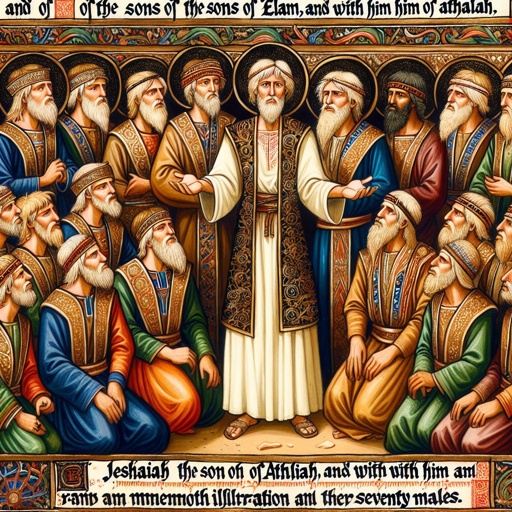
Ezra 8:7 - "And of the sons of Elam; Jeshaiah the son of Athaliah, and with him seventy males."

Ezra 3:2

Ezra 3:2

Ezra 3:2

Ezra 7:8 - "And he came to Jerusalem in the fifth month, which was in the seventh year of the king."

Ezra 7:21 - "And I, even I Artaxerxes the king, do make a decree to all the treasurers which are beyond the river, that whatsoever Ezra the priest, the scribe of the law of the God of heaven, shall require of you, it be done speedily,"

Ezra 7:7 - "And there went up some of the children of Israel, and of the priests, and the Levites, and the singers, and the porters, and the Nethinims, unto Jerusalem, in the seventh year of Artaxerxes the king."

Ezra 3:2

Ezra 3:2

Ezra 7:5 - "The son of Abishua, the son of Phinehas, the son of Eleazar, the son of Aaron the chief priest:"

Ezra 9:1-2

Zerubbabel in Ezra chapter 2

Ezra 2:22 - "The men of Netophah, fifty and six."
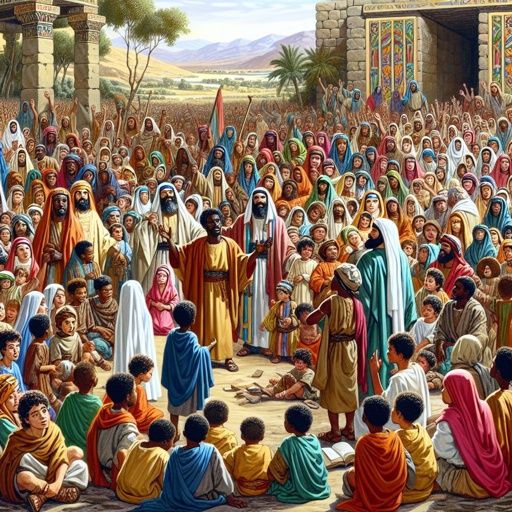
Ezra 2:18 - "The children of Jorah, an hundred and twelve."

Ezra 2:54 - "The children of Neziah, the children of Hatipha."

Ezra 2:20 - "The children of Gibbar, ninety and five."

Ezra 2:24 - "The children of Azmaveth, forty and two."

Ezra 2:39 - "The children of Harim, a thousand and seventeen."

Ezra 7:6 - "This Ezra went up from Babylon; and he was a ready scribe in the law of Moses, which the LORD God of Israel had given: and the king granted him all his request, according to the hand of the LORD his God upon him."

Ezra 7:25 - "And thou, Ezra, after the wisdom of thy God, that is in thine hand, set magistrates and judges, which may judge all the people that are beyond the river, all such as know the laws of thy God; and teach ye them that know them not."