What does Ezra 2:62 mean?
"These sought their register among those that were reckoned by genealogy, but they were not found: therefore were they, as polluted, put from the priesthood." - Ezra 2:62
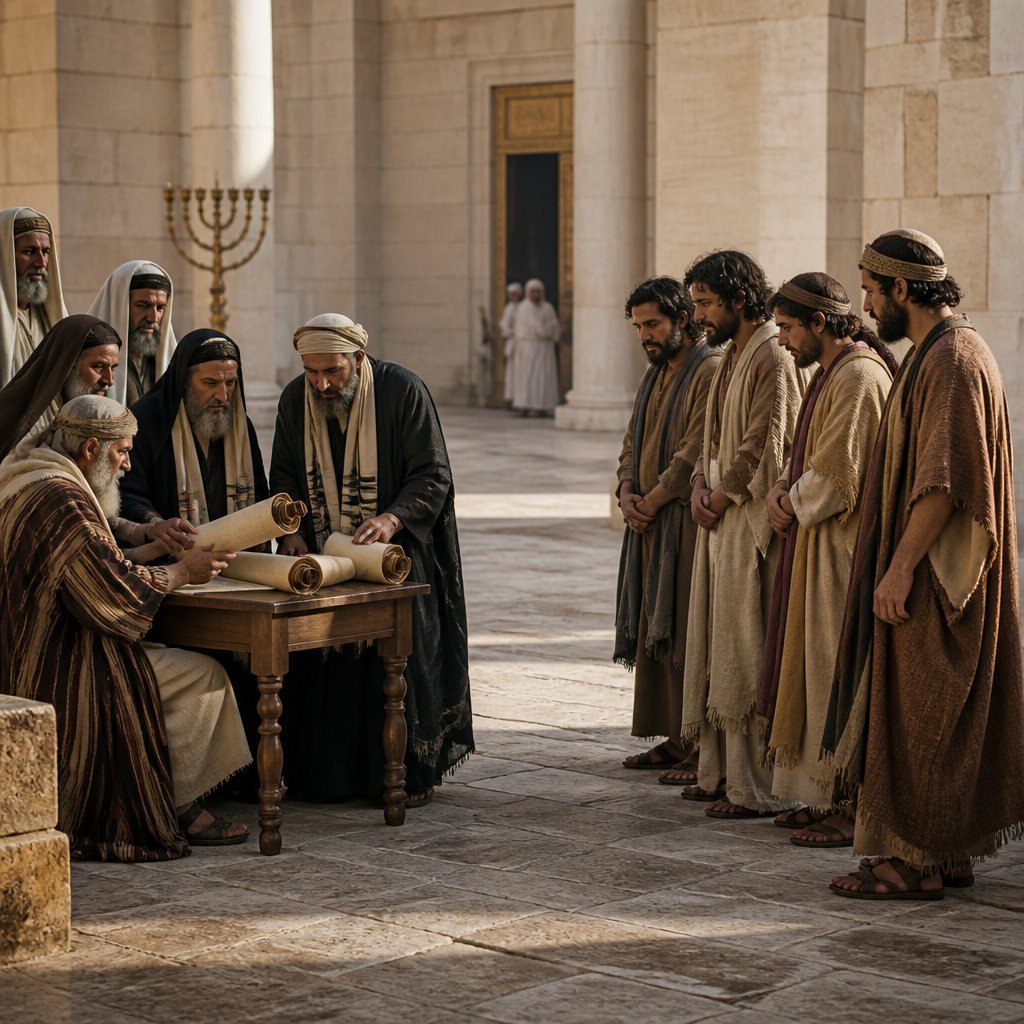
Ezra 2:62 in the King James Version reads: "These sought their register among those that were reckoned by genealogy, but they were not found: therefore were they, as polluted, put from the priesthood."
This verse is part of a list of the heads of households who returned to Jerusalem from exile in Babylon. The context of this verse is the restoration of Jerusalem after the Babylonian exile and the rebuilding of the temple. The exiled Jews had returned to rebuild the temple and restore the worship of God in Jerusalem. As part of this process, an important aspect was the reinstatement of the priesthood. The verse specifically speaks to some individuals who sought their ancestral records to establish their lineage as priests, but were unable to find them. As a result, they were considered "polluted" and were not allowed to be part of the priesthood.
The themes present in this verse include the importance of genealogy and lineage in the priesthood, the concept of purity and pollution, and the authority and order within the religious community.
The first theme of genealogy and lineage is significant in the Jewish tradition as the priesthood was reserved for those who could prove their descent from the tribe of Levi and the family of Aaron. This verse highlights the strict adherence to genealogical records within the priesthood, emphasizing the importance of ancestry and heritage in determining one's role within the religious community.
The concept of purity and pollution is also a central theme in this verse. The word "polluted" in the KJV can be interpreted as being ritually unclean or defiled. In this context, those who could not establish their lineage were considered impure and were therefore not allowed to serve as priests. This reflects the importance placed on ritual purity and the strict adherence to religious laws and customs within the Jewish community.
Additionally, the theme of authority and order within the religious community is evident in this verse. The priesthood held a position of authority and leadership within the Jewish community, and the strict requirements for ancestry and lineage were meant to ensure the legitimacy and integrity of the religious leadership. The verse emphasizes the importance of maintaining order and upholding the standards set forth for the priesthood.
Symbolism can also be found in this verse. The emphasis on genealogy and ancestry serves as a symbol of the continuity of the priestly line and the preservation of tradition within the Jewish community. It also symbolizes the importance of maintaining purity and adherence to religious laws in serving God.
In a broader sense, this verse can also be seen as a reminder of the significance of one's spiritual heritage and the responsibility to uphold the traditions and teachings of one's ancestors. It stresses the importance of knowing and understanding one's roots and the significance of one's lineage in shaping one's identity and role within the religious community.
In conclusion, Ezra 2:62 in the King James Version provides insight into the strict requirements for the priesthood in the restoration of Jerusalem after the Babylonian exile. It highlights the themes of genealogy, purity, and authority within the religious community, as well as the importance of maintaining one's spiritual heritage. This verse serves as a reminder of the significance of ancestry and tradition in shaping one's identity and role within the religious community, and the importance of upholding the standards set forth for religious leadership.
Have questions about Ezra 2:62?
Dive deeper into this scripture with Bible Chat — an AI-powered tool for exploring God's Word through conversation. Ask questions, get context, and grow in your understanding of the Bible.
Get Our Apps


Ezra 2:62 Artwork
Ezra 2:62 - "These sought their register among those that were reckoned by genealogy, but they were not found: therefore were they, as polluted, put from the priesthood."
"These sought their register among those that were reckoned by genealogy, but they were not found: therefore were they, as polluted, put from the priesthood." - Ezra 2:62

Psalms 62:2 - "He only is my rock and my salvation; he is my defence; I shall not be greatly moved."

Ezra 3:2

Ezra 3:2

Ezra 3:2

Isaiah 62:2 - "And the Gentiles shall see thy righteousness, and all kings thy glory: and thou shalt be called by a new name, which the mouth of the LORD shall name."

Ezra 3:2

Ezra 3:2

Ezra 9:1-2

Zerubbabel in Ezra chapter 2

Ezra 2:22 - "The men of Netophah, fifty and six."
Ezra 2:18 - "The children of Jorah, an hundred and twelve."

Ezra 2:54 - "The children of Neziah, the children of Hatipha."

Ezra 2:20 - "The children of Gibbar, ninety and five."

Ezra 2:24 - "The children of Azmaveth, forty and two."

Ezra 2:39 - "The children of Harim, a thousand and seventeen."

Ezra 9:1-2

Ezra 2:29 - "The children of Nebo, fifty and two."

Ezra 2:9 - "The children of Zaccai, seven hundred and threescore."

Ezra 2:27 - "The men of Michmas, an hundred twenty and two."

Ezra 2:37 - "The children of Immer, a thousand fifty and two."

Ezra 2:32 - "The children of Harim, three hundred and twenty."

Ezra 2:30 - "The children of Magbish, an hundred fifty and six."

Ezra 2:16 - "The children of Ater of Hezekiah, ninety and eight."

Ezra 2:23 - "The men of Anathoth, an hundred twenty and eight."

Ezra 2:56 - "The children of Jaalah, the children of Darkon, the children of Giddel,"

Ezra 2:11 - "The children of Bebai, six hundred twenty and three."

Ezra 2:53 - "The children of Barkos, the children of Sisera, the children of Thamah,"

Ezra 2:45 - "The children of Lebanah, the children of Hagabah, the children of Akkub,"