What does Ezra 2:56 mean?
"The children of Jaalah, the children of Darkon, the children of Giddel," - Ezra 2:56
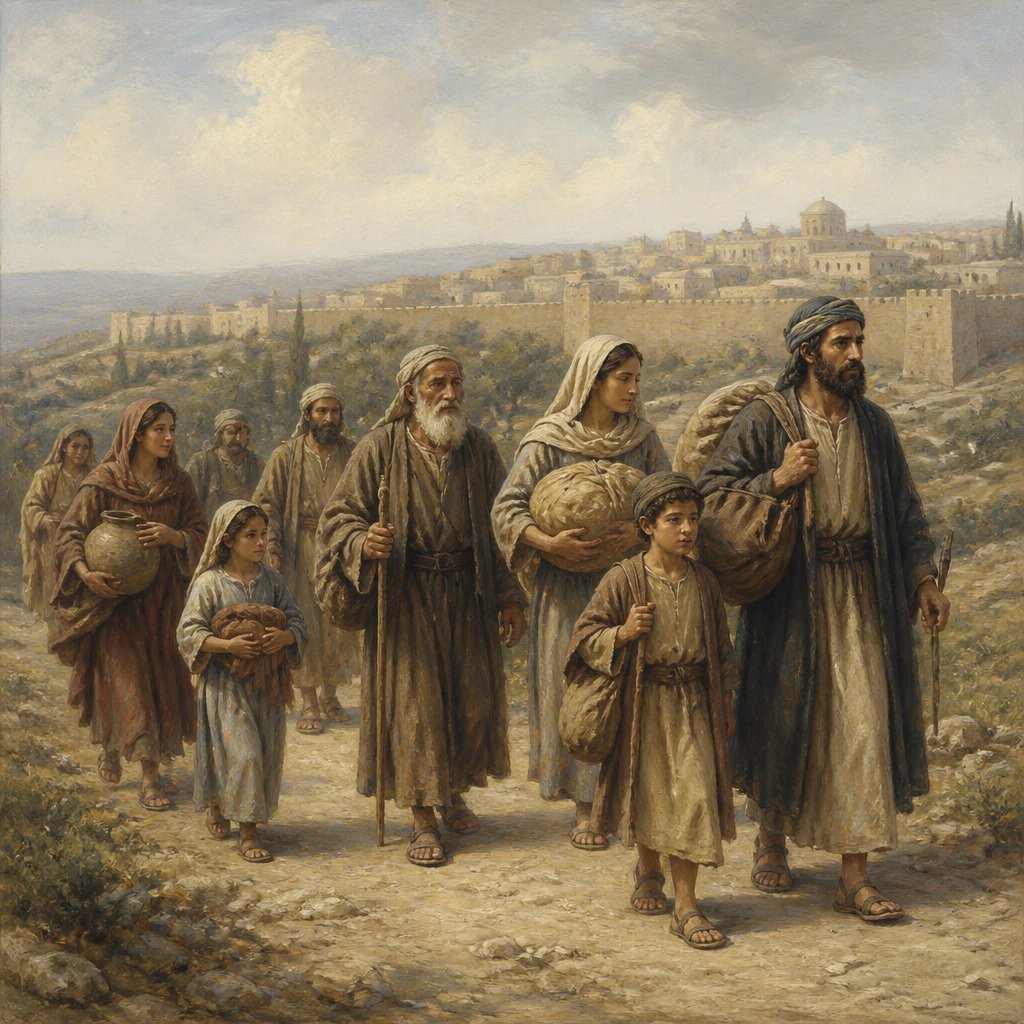
Ezra 2:56 in the King James Version of the Bible reads: "The children of Jedaiah, of the house of Jeshua, nine hundred seventy and three." This verse is part of a list of the families and the heads of households who returned from exile in Babylon to Jerusalem during the reign of King Cyrus of Persia.
To understand the deeper meaning and context of this verse, it is important to look at the historical and cultural background of the time. The Israelites had been exiled to Babylon for seventy years as a result of their disobedience to God. However, as prophesied by Jeremiah, God stirred the heart of King Cyrus to issue a decree allowing the Israelites to return to Jerusalem and rebuild the temple.
The book of Ezra is primarily concerned with the restoration of the Jewish community after the exile, including the rebuilding of the temple and the reestablishment of the Mosaic Law. The people returning from exile were not only physically returning to their homeland, but they were also rebuilding their identity as a nation and renewing their covenant with God.
The mention of the children of Jedaiah of the house of Jeshua in Ezra 2:56 may seem like a simple record of names and numbers, but it holds a much deeper significance. It serves as a reminder of the faithfulness of God to His promises and the importance of lineage and heritage in the Jewish culture. The fact that these families were specifically recorded shows that God cares about the individual members of His people and is mindful of their return from exile.
The symbol of the house of Jeshua is also significant, as it ties back to the lineage of Jesus Christ, who was a descendant of Jeshua (or Joshua in some translations). This ties into the broader theme of the Bible, which is the history of God's redemptive plan for humanity through the lineage of His chosen people.
Furthermore, the number "nine hundred seventy and three" also holds symbolic significance in biblical numerology. The number nine often represents divine completeness or finality, while the number seven represents spiritual perfection. In this verse, the combination of these numbers may symbolize the completeness and perfection of the return of the children of Jedaiah to their homeland, as part of God's sovereign plan.
The return from exile and the rebuilding of the temple in Jerusalem also serve as a metaphor for spiritual restoration and renewal. It represents the hope of a new beginning and the fulfillment of God's promises to His people. This theme of restoration and renewal is echoed throughout the Bible, ultimately finding its fulfillment in the person of Jesus Christ, who brings ultimate restoration and reconciliation between God and humanity.
In conclusion, Ezra 2:56 may seem like a simple record of names and numbers, but it carries deep meaning and significance within the broader context of the Bible. It serves as a reminder of God's faithfulness to His promises, the importance of lineage and heritage, and the theme of restoration and renewal. Ultimately, it points to the redemptive plan of God for His people, fulfilled in Jesus Christ.
Have questions about Ezra 2:56?
Dive deeper into this scripture with Bible Chat — an AI-powered tool for exploring God's Word through conversation. Ask questions, get context, and grow in your understanding of the Bible.
Get Our Apps


Ezra 2:56 Artwork

Ezra 2:56 - "The children of Jaalah, the children of Darkon, the children of Giddel,"
"The children of Jaalah, the children of Darkon, the children of Giddel," - Ezra 2:56

Ezra 3:2

Ezra 3:2

Ezra 3:2

Ezra 3:2

Ezra 3:2

Psalms 56:2 - "Mine enemies would daily swallow me up: for they be many that fight against me, O thou most High."

Ezra 9:1-2

Zerubbabel in Ezra chapter 2

Ezra 2:22 - "The men of Netophah, fifty and six."
Ezra 2:18 - "The children of Jorah, an hundred and twelve."

Ezra 2:54 - "The children of Neziah, the children of Hatipha."

Ezra 2:20 - "The children of Gibbar, ninety and five."

Ezra 2:24 - "The children of Azmaveth, forty and two."

Ezra 2:39 - "The children of Harim, a thousand and seventeen."

Ezra 9:1-2

Ezra 2:29 - "The children of Nebo, fifty and two."

Ezra 2:9 - "The children of Zaccai, seven hundred and threescore."

Ezra 2:27 - "The men of Michmas, an hundred twenty and two."

Isaiah 56:2 - "Blessed is the man that doeth this, and the son of man that layeth hold on it; that keepeth the sabbath from polluting it, and keepeth his hand from doing any evil."

Ezra 2:37 - "The children of Immer, a thousand fifty and two."

Ezra 2:32 - "The children of Harim, three hundred and twenty."

Ezra 2:30 - "The children of Magbish, an hundred fifty and six."

Ezra 2:16 - "The children of Ater of Hezekiah, ninety and eight."

Ezra 2:23 - "The men of Anathoth, an hundred twenty and eight."

Ezra 2:11 - "The children of Bebai, six hundred twenty and three."

Ezra 2:53 - "The children of Barkos, the children of Sisera, the children of Thamah,"

Ezra 2:45 - "The children of Lebanah, the children of Hagabah, the children of Akkub,"

Ezra 2:48 - "The children of Rezin, the children of Nekoda, the children of Gazzam,"