What does Ezra 2:53 mean?
"The children of Barkos, the children of Sisera, the children of Thamah," - Ezra 2:53

Ezra 2:53 (KJV) – “The children of Barkos, the children of Sisera, the children of Temah.”
Ezra 2:53 is a verse from the Old Testament of the Bible, specifically from the book of Ezra. This verse appears in a list of the families who returned from exile in Babylon to Jerusalem. As part of the larger context of the book of Ezra, this verse is part of a detailed record of the Israelites who returned from captivity to their homeland. The purpose of this list was to demonstrate the fulfillment of God’s promise to restore His people to their land and to rebuild the temple in Jerusalem.
One of the key themes in the book of Ezra is the faithfulness of God to His people. The return from exile is a tangible demonstration of God’s faithfulness to His covenant with the Israelites. This verse, along with the rest of the list of families, serves as a reminder of God’s faithfulness and His ability to fulfill His promises. It also emphasizes the importance of lineage and history within the Jewish tradition. By listing the specific families who returned from exile, the text reinforces the idea of God’s covenant with the descendants of Abraham, Isaac, and Jacob.
Another important theme in this verse is the concept of restoration. The return from exile was a time of rebuilding and renewal for the Israelites. They returned to Jerusalem with the goal of restoring their land, their temple, and their way of life. The mention of specific families in this verse underscores the idea of personal and familial restoration. Each family had its own history, struggles, and triumphs, and the return to Jerusalem represented a new beginning for them. This theme of restoration is not only a historical reality for the Israelites but also a spiritual truth for believers today. It speaks to the idea that God is in the business of restoring and renewing His people, regardless of their past circumstances.
In terms of symbolism, the mention of these specific families in Ezra 2:53 represents the diversity and complexity of the Israelite community. Each family had its own identity, story, and contribution to make to the larger community. This verse highlights the individual worth and significance of each family within the broader context of the Israelite nation. It also serves as a reminder that God values and knows each individual and their personal history. This attention to detail in listing the families demonstrates the thoroughness and completeness of God’s plan for His people. It also reflects the idea that God is interested in the intricate details of our lives and is intimately involved in the restoration of His people.
Overall, Ezra 2:53 is a small part of a larger narrative that emphasizes the faithfulness of God, the theme of restoration, and the significance of individual families within the broader community. It serves as a reminder of the historical and spiritual truths found in the Old Testament and provides insight into God’s character and His relationship with His people. This verse is a testament to the enduring nature of God’s covenant and His commitment to His people throughout history.
Have questions about Ezra 2:53?
Dive deeper into this scripture with Bible Chat — an AI-powered tool for exploring God's Word through conversation. Ask questions, get context, and grow in your understanding of the Bible.
Get Our Apps


Ezra 2:53 Artwork

Ezra 2:53 - "The children of Barkos, the children of Sisera, the children of Thamah,"

"The children of Barkos, the children of Sisera, the children of Thamah," - Ezra 2:53

Isaiah 53:2

Isaiah 53:2-3 depiction of Jesus Christ

1 Chronicles 2:53 - "And the families of Kirjath-jearim; the Ithrites, and the Puhites, and the Shumathites, and the Mishraites; of them came the Zareathites, and the Eshtaulites."

Ezra 3:2

Ezra 3:2

Ezra 3:2

Ezra 3:2

Ezra 3:2

Psalms 53:2 - "God looked down from heaven upon the children of men, to see if there were any that did understand, that did seek God."

Ezra 9:1-2

Zerubbabel in Ezra chapter 2

Ezra 2:22 - "The men of Netophah, fifty and six."
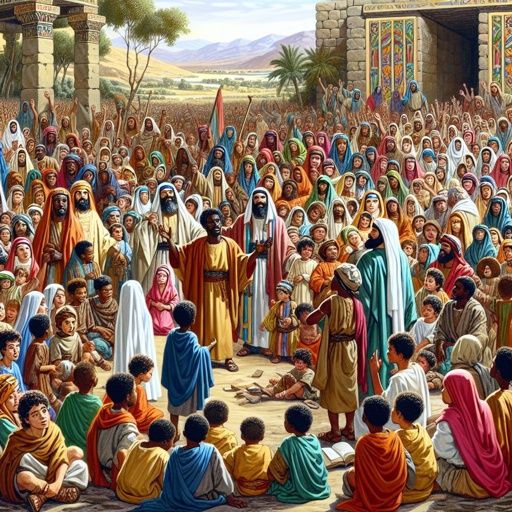
Ezra 2:18 - "The children of Jorah, an hundred and twelve."

Ezra 2:54 - "The children of Neziah, the children of Hatipha."

Ezra 2:20 - "The children of Gibbar, ninety and five."

Ezra 2:24 - "The children of Azmaveth, forty and two."

Ezra 2:39 - "The children of Harim, a thousand and seventeen."

Ezra 9:1-2

Ezra 2:9 - "The children of Zaccai, seven hundred and threescore."

Ezra 2:27 - "The men of Michmas, an hundred twenty and two."

Ezra 2:29 - "The children of Nebo, fifty and two."

Ezra 2:56 - "The children of Jaalah, the children of Darkon, the children of Giddel,"

Ezra 2:11 - "The children of Bebai, six hundred twenty and three."

Ezra 2:48 - "The children of Rezin, the children of Nekoda, the children of Gazzam,"

Ezra 2:15 - "The children of Adin, four hundred fifty and four."

Ezra 7:2 - "The son of Shallum, the son of Zadok, the son of Ahitub,"

Ezra 2:21 - "The children of Beth-lehem, an hundred twenty and three."

Ezra 2:45 - "The children of Lebanah, the children of Hagabah, the children of Akkub,"