What does Ezra 2:46 mean?
"The children of Hagab, the children of Shalmai, the children of Hanan," - Ezra 2:46
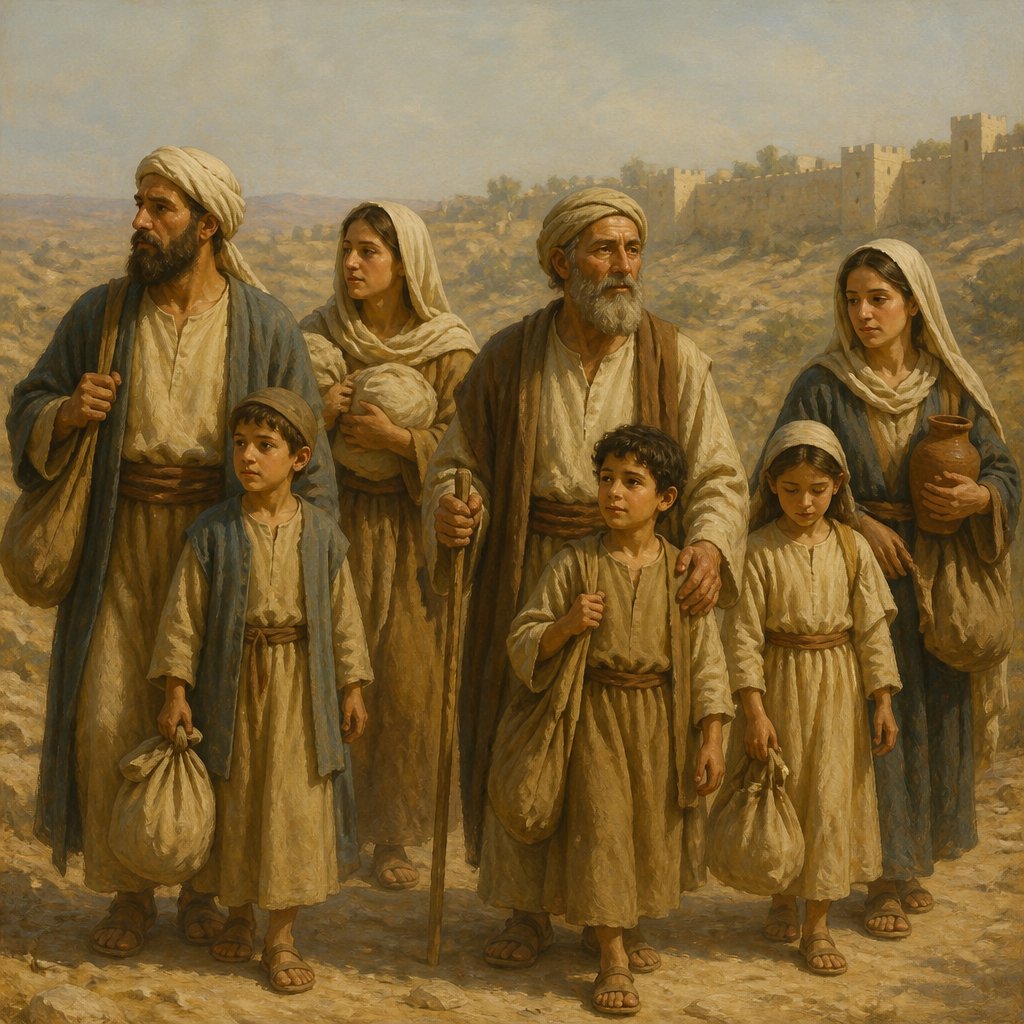
Ezra 2:46 (KJV) reads, "The Nethinims: the children of Ziha, the children of Hasupha, the children of Tabbaoth,"
The book of Ezra is set during a crucial time in the history of the Israelites. The Israelites had been exiled to Babylon, but now, through the efforts of Ezra and Nehemiah, they were making their way back to Jerusalem to rebuild the temple and reestablish their nation. This verse, listing the Nethinims, is part of a detailed registry of the families who returned to Jerusalem after the Babylonian exile.
To understand the significance of this verse, it is important to understand the context in which it was written. The Nethinims were a class of temple servants, and their listing here serves as a testimony to the organization and order that the Israelites sought to regain as they rebuilt their community.
The mention of the Nethinims in this verse is much more than a simple listing of names - it represents a larger theme of restoration and rebuilding. The return to Jerusalem was not just a physical resettlement; it was a spiritual and communal revival. The Nethinims were an integral part of this renewal, serving as temple workers and caretakers of the sacred space. Their presence in this verse serves as a reminder that the rebuilding of the nation involved not just physical structures, but also the restoration of the worship and service of God.
The inclusion of the specific names - the children of Ziha, the children of Hasupha, the children of Tabbaoth - also serves as a reminder of the individual significance of each person in the community. Each name represents a unique identity, a family lineage, and a personal story. This attention to detail shows the care and reverence with which the Israelites approached the task of rebuilding their nation. It signifies the importance of each individual in the collective effort to restore the spiritual and communal life of the Israelites.
Symbolically, the Nethinims can also be seen as representatives of service and dedication. The fact that they were entrusted with the responsibility of serving in the temple reflects their commitment to the worship of God and the upkeep of sacred spaces. In this way, they symbolize the importance of service and devotion in the spiritual life of the community. Their presence in the verse serves as a reminder of the value of humble service and the essential role it plays in the life of faith.
In a larger theological context, the listing of the Nethinims in Ezra 2:46 reflects the biblical theme of restoration and redemption. The return to Jerusalem was a symbol of God’s faithfulness to His people, fulfilling His promise to bring them back to their homeland. The rebuilding of the temple and the reestablishment of communal life in Jerusalem were tangible signs of God's restoration and reconciliation with His people. The inclusion of the Nethinims in this narrative represents the fullness of this restoration - not just the physical reconstruction, but the spiritual and communal renewal as well.
In conclusion, Ezra 2:46 is a seemingly simple verse that carries deep meaning within its context. It represents the meticulous record-keeping of the returning Israelite families, the individual significance of each person in the community, the devoted service of the Nethinims, and the larger theme of restoration and revival. This verse serves as a testament to the faithfulness of God, the commitment of His people, and the significance of service and dedication in the life of faith.
Have questions about Ezra 2:46?
Dive deeper into this scripture with Bible Chat — an AI-powered tool for exploring God's Word through conversation. Ask questions, get context, and grow in your understanding of the Bible.
Get Our Apps


Ezra 2:46 Artwork

Ezra 2:46 - "The children of Hagab, the children of Shalmai, the children of Hanan,"
"The children of Hagab, the children of Shalmai, the children of Hanan," - Ezra 2:46

Luk 2:46-49

Ezra 3:2

Ezra 3:2

Ezra 3:2

Ezra 3:2

Ezra 3:2

Ezra 9:1-2

Zerubbabel in Ezra chapter 2

Ezra 2:22 - "The men of Netophah, fifty and six."
Ezra 2:18 - "The children of Jorah, an hundred and twelve."

Ezra 2:54 - "The children of Neziah, the children of Hatipha."

Ezra 2:20 - "The children of Gibbar, ninety and five."

Ezra 2:24 - "The children of Azmaveth, forty and two."

Ezra 2:39 - "The children of Harim, a thousand and seventeen."

Ezra 9:1-2

Ezra 2:9 - "The children of Zaccai, seven hundred and threescore."

Ezra 2:27 - "The men of Michmas, an hundred twenty and two."

Ezra 2:29 - "The children of Nebo, fifty and two."

Ezra 2:56 - "The children of Jaalah, the children of Darkon, the children of Giddel,"

Ezra 2:11 - "The children of Bebai, six hundred twenty and three."

Ezra 2:53 - "The children of Barkos, the children of Sisera, the children of Thamah,"

Ezra 2:48 - "The children of Rezin, the children of Nekoda, the children of Gazzam,"

Ezra 2:15 - "The children of Adin, four hundred fifty and four."

Ezra 7:2 - "The son of Shallum, the son of Zadok, the son of Ahitub,"

Ezra 2:21 - "The children of Beth-lehem, an hundred twenty and three."

Ezra 2:45 - "The children of Lebanah, the children of Hagabah, the children of Akkub,"

Ezra 2:49 - "The children of Uzza, the children of Paseah, the children of Besai,"

Ezra 2:51 - "The children of Bakbuk, the children of Hakupha, the children of Harhur,"