What does Ezra 2:38 mean?
"The children of Pashur, a thousand two hundred forty and seven." - Ezra 2:38

The verse Ezra 2:38 from the King James Version (KJV) of the Bible states: "The son of Azgad, the son of Jonathan, the son of Shemaiah, the son of Mattaniah, the son of Michaiah, the son of Zaccur, the son of Asaph."
This verse is part of a list of the Israelites who returned to Jerusalem from Babylon after the exile. The book of Ezra is a historical book that tells the story of the return of the Israelites to Jerusalem after being exiled in Babylon. The context of this verse is important to understand the significance of the names mentioned and their impact on the overall theme of restoration and renewal.
The genealogy mentioned in this verse is significant as it links the people who returned to Jerusalem with their ancestors. In ancient Jewish culture, genealogy was of utmost importance as it established one's identity, heritage, and lineage. Consequently, this verse is not just a list of names, but a reminder of the historical and cultural importance of ancestral ties.
The name "Azgad" means "strong" or "reserved" and is often associated with strength and power. Jonathan, Shemaiah, Mattaniah, Michaiah, and Zaccur were all ancestors from whom the people of Israel were descended. Each of these names has its significance and represents a link to the past, emphasizing the continuity of the Jewish people from their ancestral roots to their return to Jerusalem.
Further, the mention of "Asaph" is particularly noteworthy. Asaph was a well-known Levite and a chief musician during King David's reign. His lineage is significant because Asaph and his descendants played a crucial role in the musical and spiritual life of Israel. The mention of his name in this verse symbolizes the importance of worship and music in the life of the returning Israelites. It also signifies the restoration of the religious and spiritual practices that were lost during the exile in Babylon.
Overall, this verse reflects the importance of history, lineage, and tradition in the identity and restoration of the people of Israel. It emphasizes the continuity of the Jewish people and their return to their ancestral land. It also highlights the role of worship and spiritual practices in the life of the Israelites, as represented by the mention of Asaph.
In a broader sense, this verse represents the theme of restoration and renewal that runs throughout the book of Ezra. It symbolizes the rebuilding of the community of Israel and the reestablishment of their religious and cultural identity after the trauma of exile. The detailed genealogy serves as a testimony to the continuity of the Jewish people and their connection to their roots, even in the face of adversity and displacement.
In conclusion, Ezra 2:38 from the KJV of the Bible is a verse that may seem simple at first glance but holds deep significance within the context of the book of Ezra. It represents the themes of restoration, lineage, and the importance of worship in the life of the Israelites. The detailed genealogy mentioned in this verse serves as a reminder of the continuity of the Jewish people and their connection to their past as they rebuild their lives in Jerusalem.
Have questions about Ezra 2:38?
Dive deeper into this scripture with Bible Chat — an AI-powered tool for exploring God's Word through conversation. Ask questions, get context, and grow in your understanding of the Bible.
Get Our Apps


Ezra 2:38 Artwork

Ezra 2:38 - "The children of Pashur, a thousand two hundred forty and seven."

"The children of Pashur, a thousand two hundred forty and seven." - Ezra 2:38

Ezra 10:38 - "And Bani, and Binnui, Shimei,"

"And Bani, and Binnui, Shimei," - Ezra 10:38

Ezra 3:2

Ezra 3:2

Ezra 3:2

Ezra 3:2

Ezra 3:2

Ezra 9:1-2

Zerubbabel in Ezra chapter 2

Ezra 2:22 - "The men of Netophah, fifty and six."
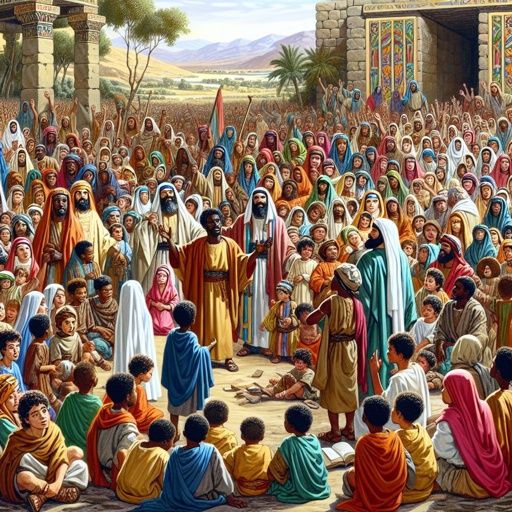
Ezra 2:18 - "The children of Jorah, an hundred and twelve."

Ezra 2:54 - "The children of Neziah, the children of Hatipha."

Ezra 2:20 - "The children of Gibbar, ninety and five."

Ezra 2:24 - "The children of Azmaveth, forty and two."

Ezra 2:39 - "The children of Harim, a thousand and seventeen."

Ezra 9:1-2

Ezra 2:29 - "The children of Nebo, fifty and two."

Ezra 2:9 - "The children of Zaccai, seven hundred and threescore."

Ezra 2:27 - "The men of Michmas, an hundred twenty and two."

Acts 2:38

Acts 2:38

Acts 2:38

Acts 2:38

Acts 2:38

Acts 2:38

Acts 2:38

Acts 2:38

Acts 2:38