What does Ezra 2:35 mean?
"The children of Senaah, three thousand and six hundred and thirty." - Ezra 2:35
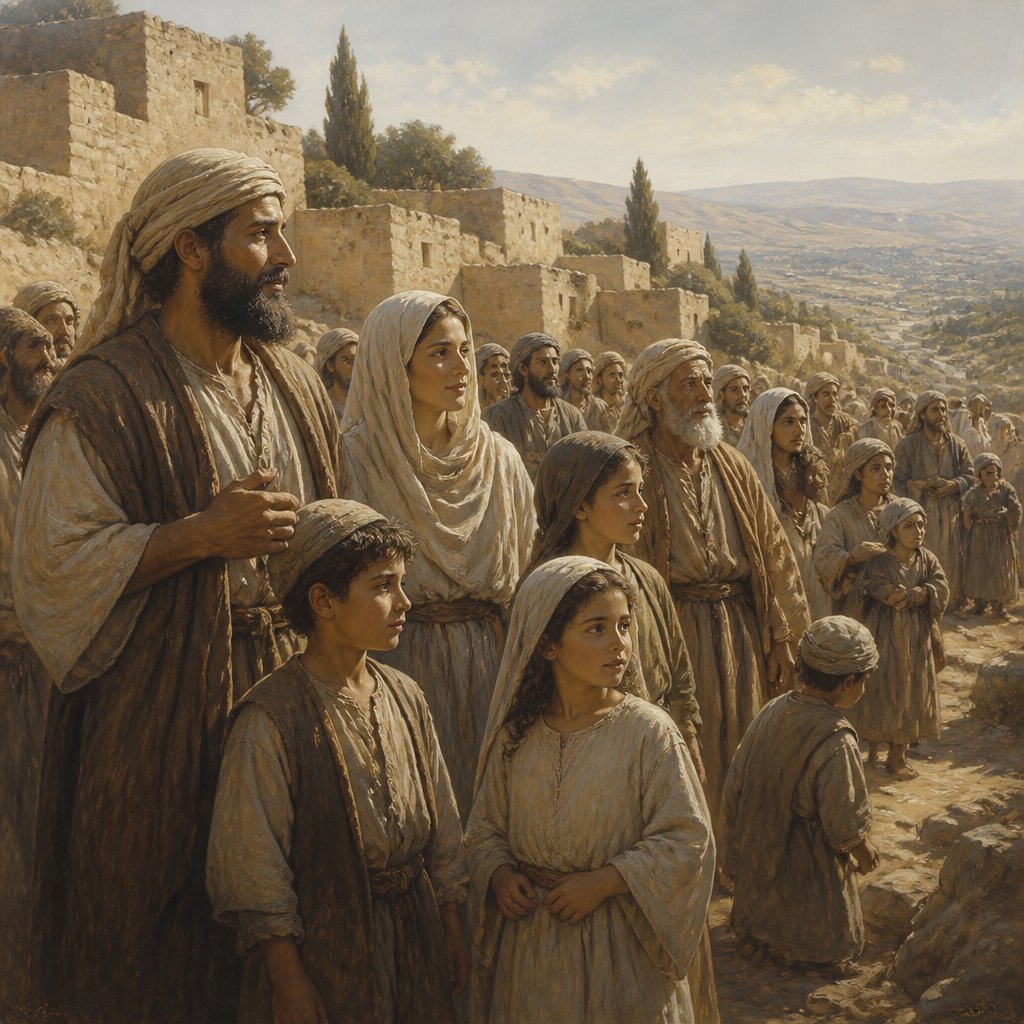
Ezra 2:35 in the King James Version (KJV) of the Bible reads: "The children of Senaah, three thousand and six hundred and thirty."
This verse is part of a list of the heads of households who returned from exile in Babylon to Jerusalem. The book of Ezra is historically significant as it recounts the return of the Israelites from their exile in Babylon to rebuild the temple in Jerusalem. This verse, in particular, lists the number of descendants from the family of Senaah who returned to the land of Judah.
The historical context of this verse is essential to understanding its significance. The Israelites had been exiled to Babylon when the Babylonian empire conquered Judah and destroyed the temple. After nearly 70 years of exile, King Cyrus of Persia issued a decree allowing the Israelites to return to their homeland and rebuild the temple. This verse is part of a detailed record of the families who took part in this return.
One of the key themes of this verse is the faithfulness of God. Despite the exile and the destruction of their temple, the Israelites did not lose hope. They continued to trust in God's promises and look forward to the day when they could return to their homeland. This verse, among others in the book of Ezra, serves as a reminder of God's faithfulness to His people, even in the midst of difficult and challenging circumstances.
Another theme that can be derived from this verse is the importance of community and lineage. The detailed list of families and their descendants emphasizes the significance of familial ties and the continuity of the Israelite community. The return to Jerusalem was not merely a scattered group of individuals, but rather a collective effort of families and tribes coming together to rebuild their homeland.
The symbolism in this verse lies in the number "three thousand and six hundred and thirty." In the Bible, numbers often carry symbolic meanings. In this case, the number could symbolize the abundance and completeness of the families of Senaah. The number three often represents divine completeness or perfection, and six is often associated with humanity or imperfection. When combined, the number 3,630 could symbolize the divine completion within the imperfection of humanity. It underscores the idea that God's plan and faithfulness are still at work even in the midst of human imperfection.
This verse also serves as a reminder of the importance of recording and preserving history. The meticulous record-keeping of the families returning to Jerusalem highlights the significance of documenting one's heritage and the faithfulness of God throughout generations. It serves as a testament to the Israelites' determination to maintain their identity and history, even in the face of exile and displacement.
In conclusion, Ezra 2:35 may seem like a simple verse listing the number of descendants from the family of Senaah, but it carries deep historical, thematic, and symbolic significance. It serves as a reminder of God's faithfulness, the importance of community and lineage, and the symbolism of numbers in the Bible. This verse, along with the rest of the book of Ezra, stands as a testament to the resilience and determination of the Israelite people to rebuild and maintain their identity and heritage.
Have questions about Ezra 2:35?
Dive deeper into this scripture with Bible Chat — an AI-powered tool for exploring God's Word through conversation. Ask questions, get context, and grow in your understanding of the Bible.
Get Our Apps


Ezra 2:35 Artwork

Ezra 2:35 - "The children of Senaah, three thousand and six hundred and thirty."

"The children of Senaah, three thousand and six hundred and thirty." - Ezra 2:35

Ezra 10:35 - "Benaiah, Bedeiah, Chelluh,"

"Benaiah, Bedeiah, Chelluh," - Ezra 10:35

Ezra 3:2

Ezra 3:2

Ezra 3:2

Ezra 3:2

Ezra 3:2

Ezra 9:1-2

Zerubbabel in Ezra chapter 2

Ezra 2:22 - "The men of Netophah, fifty and six."
Ezra 2:18 - "The children of Jorah, an hundred and twelve."

Ezra 2:54 - "The children of Neziah, the children of Hatipha."

Ezra 2:20 - "The children of Gibbar, ninety and five."

Ezra 2:24 - "The children of Azmaveth, forty and two."

Ezra 2:39 - "The children of Harim, a thousand and seventeen."

Ezra 9:1-2

Ezra 2:29 - "The children of Nebo, fifty and two."

Ezra 2:9 - "The children of Zaccai, seven hundred and threescore."

Ezra 2:27 - "The men of Michmas, an hundred twenty and two."

Ezra 2:37 - "The children of Immer, a thousand fifty and two."

Ezra 2:32 - "The children of Harim, three hundred and twenty."

Ezra 2:30 - "The children of Magbish, an hundred fifty and six."

Ezra 2:16 - "The children of Ater of Hezekiah, ninety and eight."

Ezra 2:23 - "The men of Anathoth, an hundred twenty and eight."

Ezra 2:56 - "The children of Jaalah, the children of Darkon, the children of Giddel,"

Ezra 2:11 - "The children of Bebai, six hundred twenty and three."

Ezra 2:53 - "The children of Barkos, the children of Sisera, the children of Thamah,"

Ezra 2:45 - "The children of Lebanah, the children of Hagabah, the children of Akkub,"