What does Ezra 2:32 mean?
"The children of Harim, three hundred and twenty." - Ezra 2:32
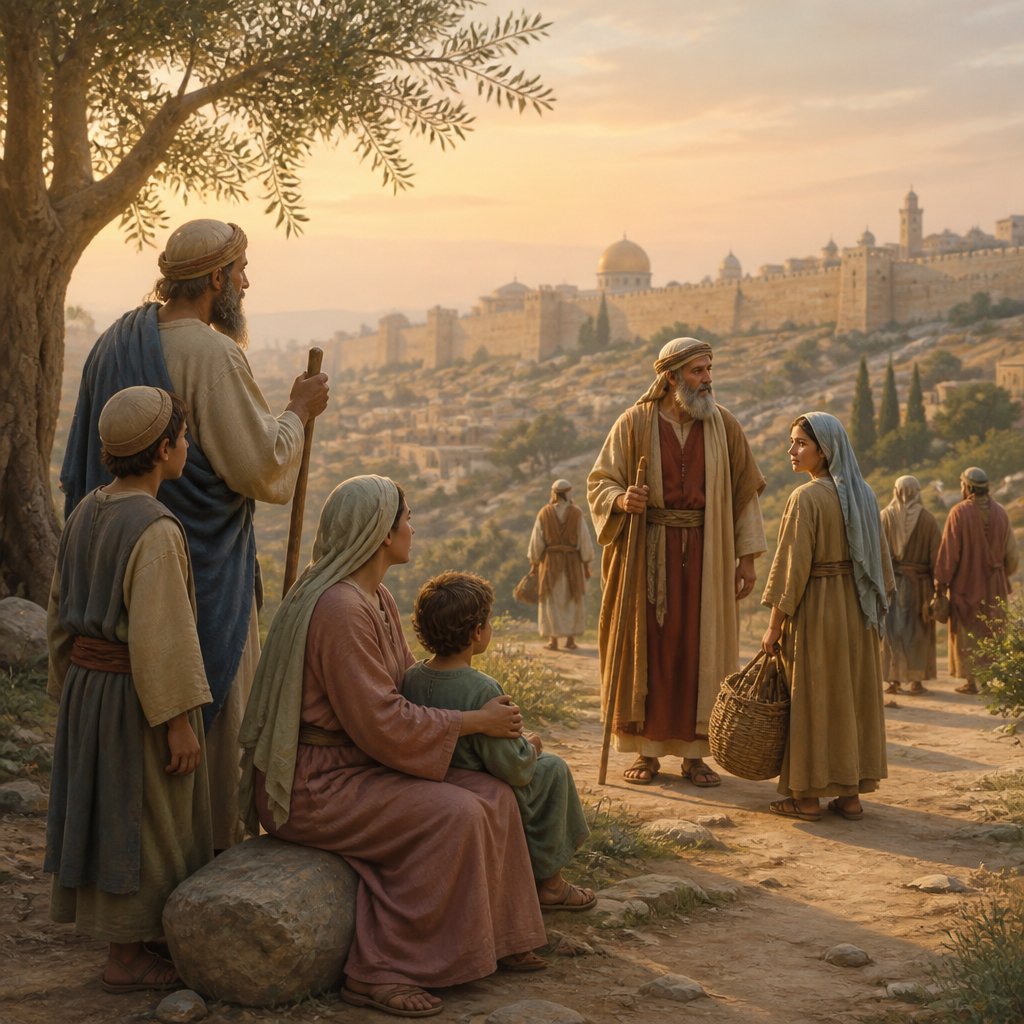
Ezra 2:32 in the King James Version of the Bible reads, "The men of Bethel and Ai, two hundred twenty and three." This verse is a part of a list of the families who returned from Babylon to Jerusalem after the exile. These verses provide a detailed account of the priests, Levites, servants of the temple, and other Israelites who returned to Judah and Jerusalem.
To truly understand the meaning and significance of this verse, it's important to dive into the historical and cultural context of the time. During the time of Ezra, the Israelites had been exiled for decades in Babylon due to their disobedience to God and idolatry. After the decree of King Cyrus of Persia, the Israelites were allowed to return to their homeland and rebuild the temple in Jerusalem. This return marked a significant moment in the history of Israel as it symbolized a restoration of their relationship with God and a chance to rebuild their nation.
The men of Bethel and Ai mentioned in this verse were a part of the thousands of Israelites who made the journey back to their homeland. The mention of these specific cities is significant as they were both important locations in the history of Israel. Bethel, which means "house of God," was an important religious center and the place where Jacob had his dream of the ladder reaching into heaven (Genesis 28:10-22). Ai was a city conquered by Joshua during the Israelite conquest of Canaan. By mentioning these cities, the verse is tying the returning Israelites back to their rich history and heritage.
The number "two hundred and twenty-three" also holds significance. In biblical numerology, numbers often have symbolic meanings. The number two represents unity, as it is the smallest number that can be divided to produce a whole number. It also represents the division between good and evil, light and darkness. The number three represents completeness and the Trinity in Christian theology. So, the mention of "two hundred and twenty-three" could be seen as a symbol of the unity and completeness of the returning Israelites as they sought to rebuild their nation and reestablish their relationship with God.
The act of returning from exile itself is symbolic of repentance and restoration. The Israelites, by returning to their homeland, were acknowledging their past mistakes and seeking to rebuild their relationship with God. This act of returning is a recurring theme throughout the Bible, as it represents the mercy and faithfulness of God in giving his people a second chance. In the same way, the Israelites were given a second chance to rebuild their nation and recommit to their covenant with God.
Overall, Ezra 2:32 serves as a reminder of the faithfulness of God and the importance of returning to one's roots. The mention of Bethel and Ai ties the returning Israelites back to their heritage and history, while the number "two hundred and twenty-three" symbolizes unity and completeness. This verse is a small part of a larger narrative of repentance, restoration, and rebuilding, which carries deep significance for both the Israelites of that time and for modern readers seeking to understand the faithfulness of God.
Have questions about Ezra 2:32?
Dive deeper into this scripture with Bible Chat — an AI-powered tool for exploring God's Word through conversation. Ask questions, get context, and grow in your understanding of the Bible.
Get Our Apps


Ezra 2:32 Artwork

Ezra 2:32 - "The children of Harim, three hundred and twenty."

"The children of Harim, three hundred and twenty." - Ezra 2:32

Ezra 10:32 - "Benjamin, Malluch, and Shemariah."

Ezra 8:32 - "And we came to Jerusalem, and abode there three days."

"Benjamin, Malluch, and Shemariah." - Ezra 10:32

"And we came to Jerusalem, and abode there three days." - Ezra 8:32

Ezra 3:2

Ezra 3:2

Ezra 3:2

Ezra 3:2

Ezra 3:2

Ezra 9:1-2

Zerubbabel in Ezra chapter 2

Ezra 2:22 - "The men of Netophah, fifty and six."
Ezra 2:18 - "The children of Jorah, an hundred and twelve."

Ezra 2:54 - "The children of Neziah, the children of Hatipha."

Ezra 2:20 - "The children of Gibbar, ninety and five."

Ezra 2:24 - "The children of Azmaveth, forty and two."

Ezra 2:39 - "The children of Harim, a thousand and seventeen."

Ezra 9:1-2

Ezra 2:9 - "The children of Zaccai, seven hundred and threescore."

Ezra 2:27 - "The men of Michmas, an hundred twenty and two."

Ezra 2:29 - "The children of Nebo, fifty and two."

Ezra 2:56 - "The children of Jaalah, the children of Darkon, the children of Giddel,"

Ezra 2:11 - "The children of Bebai, six hundred twenty and three."

Ezra 2:53 - "The children of Barkos, the children of Sisera, the children of Thamah,"

Ezra 2:48 - "The children of Rezin, the children of Nekoda, the children of Gazzam,"

Ezra 2:15 - "The children of Adin, four hundred fifty and four."

Ezra 7:2 - "The son of Shallum, the son of Zadok, the son of Ahitub,"

Ezra 2:21 - "The children of Beth-lehem, an hundred twenty and three."