What does Ezra 2:30 mean?
"The children of Magbish, an hundred fifty and six." - Ezra 2:30
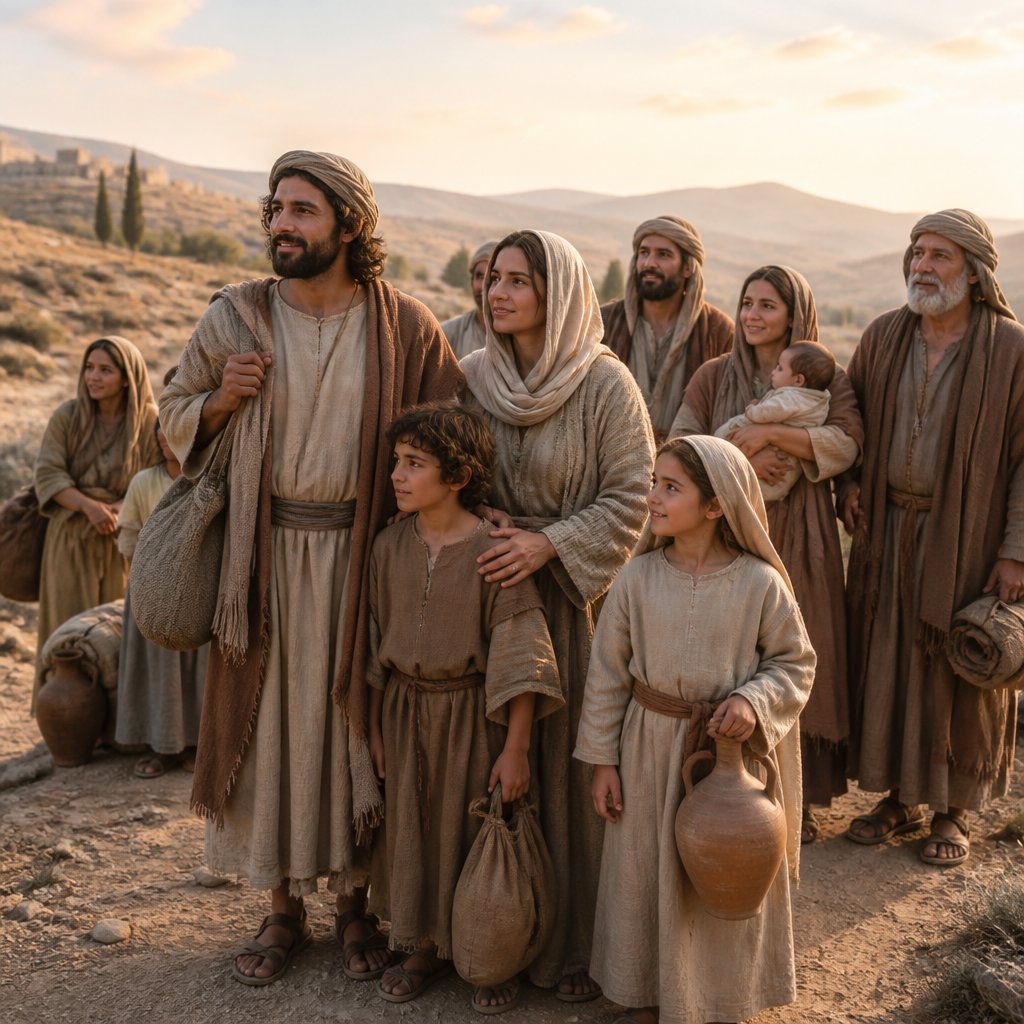
Ezra 2:30 (KJV) says, "The men of Ramah and Gaba, six hundred twenty and one."
The book of Ezra recounts the return of the Israelites from exile in Babylon, as well as the restoration of the temple in Jerusalem. The verse I have selected is a part of a list of names and numbers that enumerate the people who returned to Jerusalem with Zerubbabel, a governor and descendant of the royal line of David, and Jeshua, a high priest.
At first glance, the verse may seem straightforward and uncomplicated, merely listing the number of men from the towns of Ramah and Gaba who returned to Jerusalem. However, a deeper examination reveals the profound meaning and significance of this verse within the larger context of the book of Ezra and the biblical narrative as a whole.
The names of the towns, Ramah and Gaba, are not prominent in the biblical narrative, and there is little specific information about the significance of these places in the Old Testament. However, in the broader context of the book of Ezra, these names serve to underscore the inclusivity and diversity of the Israelites who returned from exile. The various towns and regions from which the Israelites came represent the full spectrum of the nation, reflecting the unity and diversity of God's people.
Moreover, the specific number of men from these towns, six hundred twenty and one, may seem insignificant at first glance. However, the precise enumeration of the people demonstrates the meticulous care with which the biblical narrative records the return of the Israelites. Each individual and each community is valued and remembered, highlighting the importance of every member of the community in the eyes of God.
Furthermore, the number six hundred twenty and one may also hold symbolic significance within the biblical narrative. In biblical numerology, the number six often represents imperfection or incompleteness, while the number one signifies unity and wholeness. In this light, the number six hundred twenty and one may symbolize the imperfect and broken state of the people of Israel as they return from exile, yet it also points towards the hope and unity found in their collective return to the promised land.
From a broader thematic perspective, the verse in question emphasizes the faithfulness of God in preserving and restoring his people. The return from exile is a central theme in the book of Ezra, and it serves as a powerful reminder of God's faithfulness and mercy towards his people, despite their disobedience and the consequences of their sin. The enumeration of the people from various towns and regions further underscores the universality of God's grace and the inclusive nature of the divine redemption.
In conclusion, while Ezra 2:30 may seem like a simple enumeration of individuals from two towns, it holds significant meaning within the larger context of the biblical narrative. The verse highlights the inclusivity and diversity of the returning Israelites, underscores the meticulous care with which God remembers and values every member of his community, and symbolizes the imperfect state of the people of Israel alongside the hope and unity found in their return. Ultimately, the verse serves as a powerful testament to God's faithfulness in preserving and restoring his people, a theme that resonates throughout the entire biblical narrative.
Have questions about Ezra 2:30?
Dive deeper into this scripture with Bible Chat — an AI-powered tool for exploring God's Word through conversation. Ask questions, get context, and grow in your understanding of the Bible.
Get Our Apps


Ezra 2:30 Artwork

Ezra 2:30 - "The children of Magbish, an hundred fifty and six."
"The children of Magbish, an hundred fifty and six." - Ezra 2:30

Ezra 10:30 - "And of the sons of Pahath-moab; Adna, and Chelal, Benaiah, Maaseiah, Mattaniah, Bezaleel, and Binnui, and Manasseh."

Ezra 8:30 - "So took the priests and the Levites the weight of the silver, and the gold, and the vessels, to bring them to Jerusalem unto the house of our God."

Ezra 3:2

Ezra 3:2

Ezra 3:2

Ezra 3:2

Ezra 3:2

Ezra 9:1-2

Zerubbabel in Ezra chapter 2

Ezra 2:22 - "The men of Netophah, fifty and six."
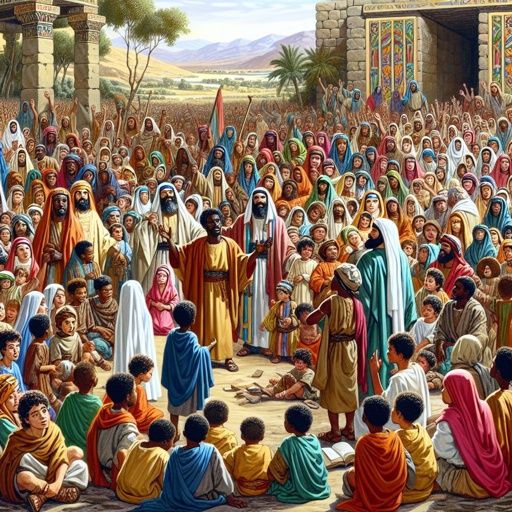
Ezra 2:18 - "The children of Jorah, an hundred and twelve."

Ezra 2:54 - "The children of Neziah, the children of Hatipha."

Ezra 2:20 - "The children of Gibbar, ninety and five."

Ezra 2:24 - "The children of Azmaveth, forty and two."

Ezra 2:39 - "The children of Harim, a thousand and seventeen."

Ezra 9:1-2

Ezra 2:29 - "The children of Nebo, fifty and two."

Ezra 2:9 - "The children of Zaccai, seven hundred and threescore."

Ezra 2:27 - "The men of Michmas, an hundred twenty and two."
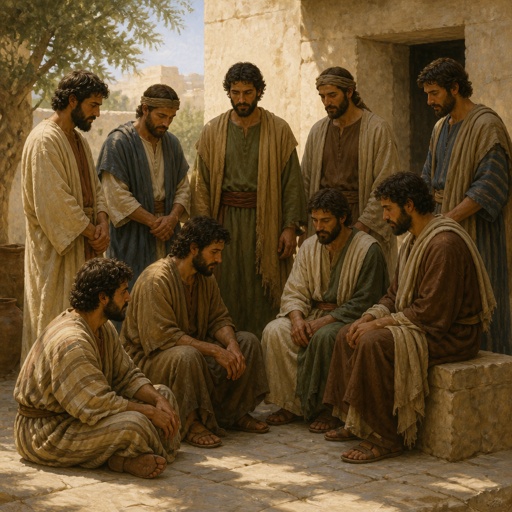
"And of the sons of Pahath-moab; Adna, and Chelal, Benaiah, Maaseiah, Mattaniah, Bezaleel, and Binnui, and Manasseh." - Ezra 10:30

Ezra 2:37 - "The children of Immer, a thousand fifty and two."

Ezra 2:32 - "The children of Harim, three hundred and twenty."

Ezra 2:16 - "The children of Ater of Hezekiah, ninety and eight."

Ezra 2:23 - "The men of Anathoth, an hundred twenty and eight."

Ezra 2:56 - "The children of Jaalah, the children of Darkon, the children of Giddel,"

Ezra 2:11 - "The children of Bebai, six hundred twenty and three."

Ezra 2:53 - "The children of Barkos, the children of Sisera, the children of Thamah,"

Ezra 2:45 - "The children of Lebanah, the children of Hagabah, the children of Akkub,"