What does Ezra 2:26 mean?
"The children of Ramah and Gaba, six hundred twenty and one." - Ezra 2:26
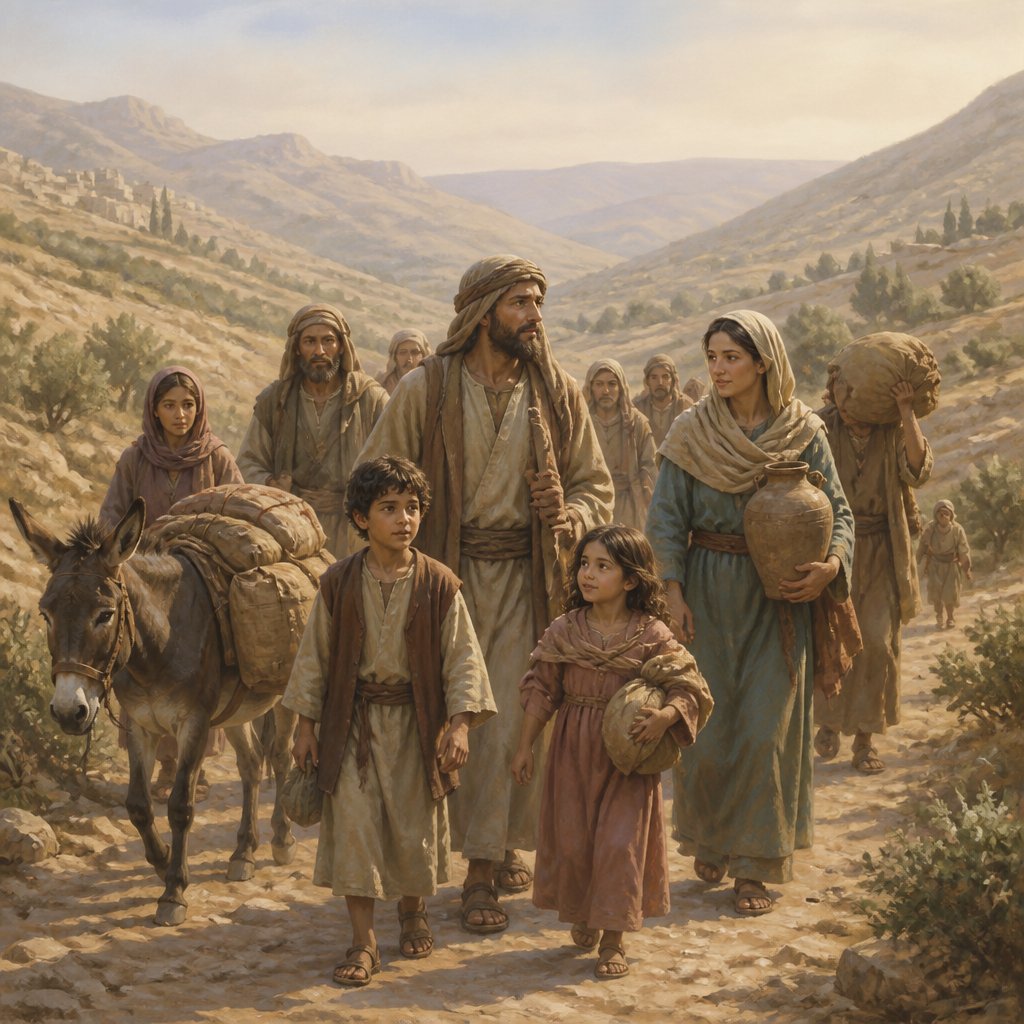
Ezra 2:26 (KJV): "The children of Ramah and Geba, six hundred twenty and one."
The book of Ezra is a historical account of the return of the Jewish exiles from Babylon to Jerusalem and the rebuilding of the temple. This verse mentions two cities, Ramah and Geba, and the number of people who returned from these cities. However, on a deeper level, this verse also carries several important themes and symbolic meanings that can be explored.
First, the mention of the cities of Ramah and Geba represents the restoration and rebuilding of the Jewish community after their exile. These cities were among the places where Jewish exiles had settled, and their mention signals the gathering of the scattered people to return to their homeland. This theme of restoration is central to the book of Ezra, as it focuses on the rebuilding of the temple and the renewal of the Jewish community in Jerusalem.
Furthermore, the specific number mentioned in this verse, "six hundred twenty and one," carries both numerical and symbolic significance. In Biblical numerology, the number six is often associated with incompleteness or imperfection, while the number twenty-one symbolizes maturity, fulfillment, and the completion of a cycle. Therefore, the mention of six hundred twenty-one people returning from these cities can be seen as a representation of the incomplete but progressing restoration of the Jewish community. It signifies the beginning of a new chapter in their history, marked by the return to their homeland and the rebuilding of their community.
The themes of restoration and renewal found in this verse also carry spiritual significance for believers. It serves as a reminder that no matter how broken or scattered we may feel, God's plan for restoration and renewal is always at work. Just as the Jewish exiles were called to return to their homeland and rebuild their community, believers are called to return to God and experience spiritual renewal. The mention of specific numbers also reminds us of God's sovereignty and attention to detail in His plans for His people.
Moreover, the book of Ezra, including this verse, can be viewed in context with the larger Biblical narrative of redemption and salvation. The return of the Jewish exiles from Babylon to Jerusalem mirrors the theme of deliverance and freedom found throughout the Bible. It foreshadows the ultimate deliverance and restoration that would come through Jesus Christ, who would bring spiritual freedom and renewal to all who believe in Him.
In terms of symbolism, the cities of Ramah and Geba can represent the various places and circumstances from which believers are called to return to God. They can symbolize the different "exiles" and struggles we face in life, whether it be sin, doubt, or spiritual emptiness. The number of people returning from these cities symbolizes the diversity of individuals who are called to return and find their place within the community of God's people.
In conclusion, Ezra 2:26 holds a deep and significant meaning within the larger context of the book of Ezra and the Biblical narrative as a whole. It speaks to the themes of restoration, renewal, and deliverance, offering a message of hope and encouragement for believers. Through its mention of specific cities and numbers, it reminds us of God's faithfulness and sovereignty in His plans for His people. Overall, this verse serves as a powerful reminder of God's redemptive work and His call for His people to return to Him.
Have questions about Ezra 2:26?
Dive deeper into this scripture with Bible Chat — an AI-powered tool for exploring God's Word through conversation. Ask questions, get context, and grow in your understanding of the Bible.
Get Our Apps


Ezra 2:26 Artwork

Ezra 2:26 - "The children of Ramah and Gaba, six hundred twenty and one."
"The children of Ramah and Gaba, six hundred twenty and one." - Ezra 2:26

Ezra 2:6 - "The children of Pahath-moab, of the children of Jeshua and Joab, two thousand eight hundred and twelve."

Ezra 10:26 - "And of the sons of Elam; Mattaniah, Zechariah, and Jehiel, and Abdi, and Jeremoth, and Eliah."

Nehemiah 12:26 - "These were in the days of Joiakim the son of Jeshua, the son of Jozadak, and in the days of Nehemiah the governor, and of Ezra the priest, the scribe."

Ezra 3:2

Ezra 3:2

Ezra 3:2
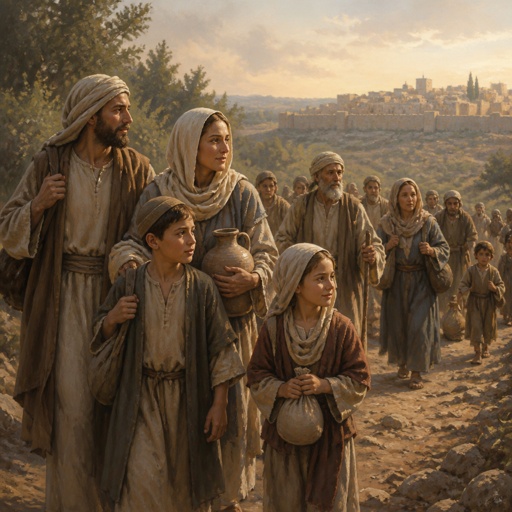
"The children of Pahath-moab, of the children of Jeshua and Joab, two thousand eight hundred and twelve." - Ezra 2:6

Ezra 8:26 - "I even weighed unto their hand six hundred and fifty talents of silver, and silver vessels an hundred talents, and of gold an hundred talents;"

Ezra 3:2

Ezra 3:2

"And of the sons of Elam; Mattaniah, Zechariah, and Jehiel, and Abdi, and Jeremoth, and Eliah." - Ezra 10:26

Ezra 9:1-2

Zerubbabel in Ezra chapter 2

Ezra 7:26 - "And whosoever will not do the law of thy God, and the law of the king, let judgment be executed speedily upon him, whether it be unto death, or to banishment, or to confiscation of goods, or to imprisonment."

Ezra 2:22 - "The men of Netophah, fifty and six."
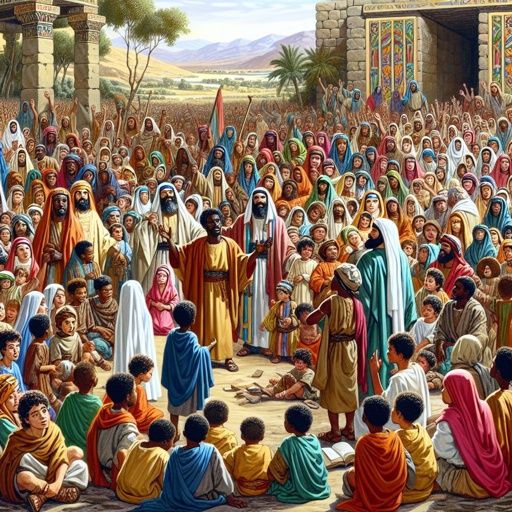
Ezra 2:18 - "The children of Jorah, an hundred and twelve."

Ezra 2:54 - "The children of Neziah, the children of Hatipha."

Ezra 2:20 - "The children of Gibbar, ninety and five."

Ezra 2:24 - "The children of Azmaveth, forty and two."

Ezra 2:39 - "The children of Harim, a thousand and seventeen."

Ezra 9:1-2

Ezra 2:29 - "The children of Nebo, fifty and two."

Ezra 2:9 - "The children of Zaccai, seven hundred and threescore."

Ezra 2:27 - "The men of Michmas, an hundred twenty and two."

Ezra 2:37 - "The children of Immer, a thousand fifty and two."

Ezra 2:32 - "The children of Harim, three hundred and twenty."

Ezra 2:30 - "The children of Magbish, an hundred fifty and six."

Ezra 2:16 - "The children of Ater of Hezekiah, ninety and eight."