What does Ezra 2:20 mean?
"The children of Gibbar, ninety and five." - Ezra 2:20
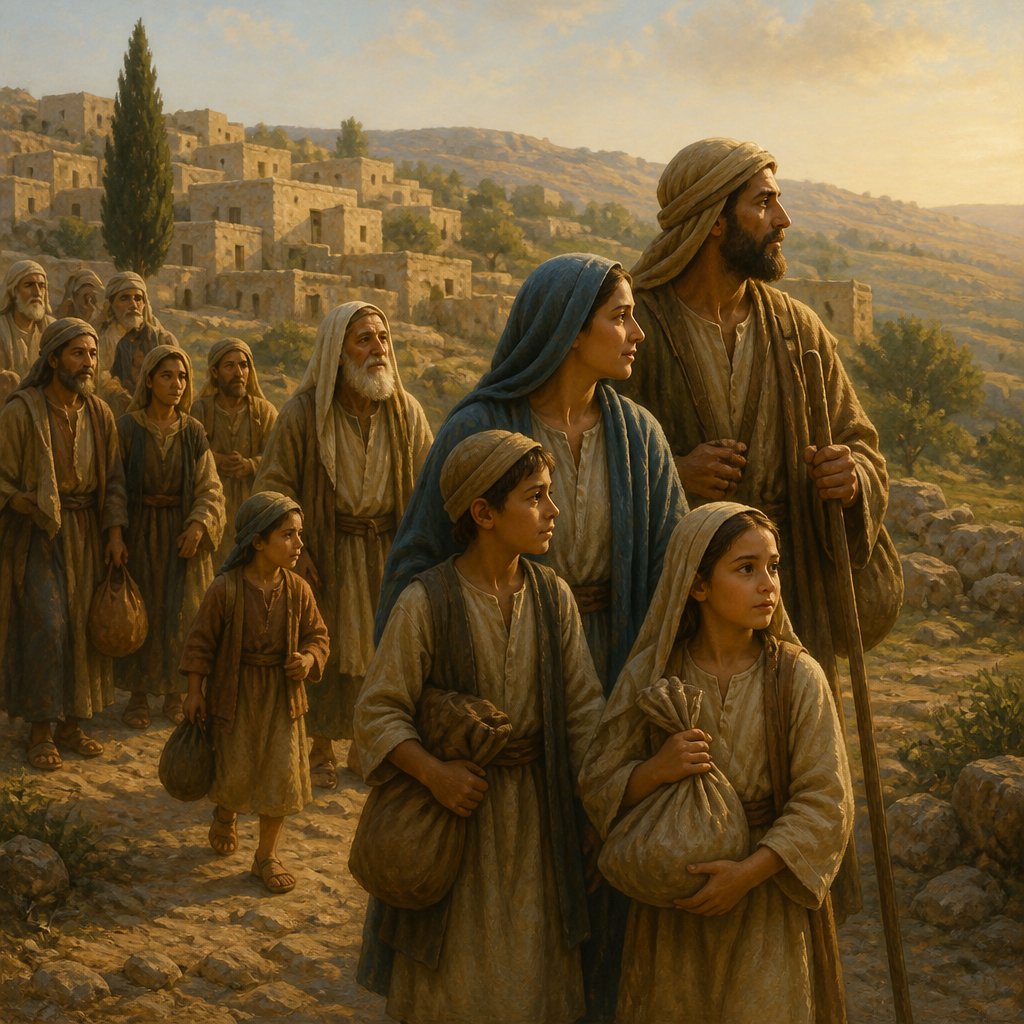
Ezra 2:20 (KJV) reads: "The children of Azgad, a thousand two hundred twenty and two."
The book of Ezra is a historical account of the Israelite people returning to Jerusalem from Babylonian exile to rebuild the temple. The verse in question specifically lists the number of people who belonged to the clan of Azgad. In the broader context of the chapter, this verse is part of a comprehensive listing of the different families and their respective numbers who returned from exile to Jerusalem. This list, also known as the "census of returnees," is important for establishing the genealogical records of the Israelite people as they recommenced their lives in their homeland.
The genealogical significance of this verse cannot be overstated. In ancient Israelite society, one's lineage was of utmost importance as it determined one's tribal affiliation, social status, and inheritance rights. The meticulous recording of the number of people in each clan was a way to preserve the heritage and identity of the Israelite people. It also served as a means of accountability and organization as they resettled in their homeland.
From a broader thematic perspective, the verse speaks to the faithfulness and providence of God in preserving His people. The fact that these exiles were able to return to Jerusalem after years of captivity in a foreign land is a testament to the fulfilling of God's promises. In a larger sense, this verse and the entire book of Ezra emphasize the importance of remembering and honoring one's heritage and the faithfulness of God in preserving His people.
Symbolically, the mention of the number "a thousand two hundred twenty and two" carries a deeper significance. In biblical numerology, certain numbers hold symbolic meanings. For example, the number 12 often represents divine authority and completeness. This number is frequently associated with the twelve tribes of Israel and the twelve apostles. In this context, the large number of people in the clan of Azgad signifies the abundance and completeness of God's provision and faithfulness towards His people.
Furthermore, the number 22 is also symbolic in biblical numerology, representing light and revelation. In the context of this verse, the inclusion of this number may symbolize the divine revelation and guidance that the returning exiles received as they resettled in their homeland. It serves as a reminder that God's light and truth will guide and illuminate the path of His people as they embark on the next chapter of their journey.
In conclusion, Ezra 2:20 is a seemingly straightforward verse that, when examined closely, reveals deep themes of heritage, faithfulness, and divine providence. It serves as a testament to the meticulous preservation of the Israelite lineage and the fulfillment of God's promises to His people. This verse encourages readers to remember and honor their own heritage and to trust in the faithfulness and providence of God in their lives.
Have questions about Ezra 2:20?
Dive deeper into this scripture with Bible Chat — an AI-powered tool for exploring God's Word through conversation. Ask questions, get context, and grow in your understanding of the Bible.
Get Our Apps


Ezra 2:20 Artwork

Ezra 2:20 - "The children of Gibbar, ninety and five."
"The children of Gibbar, ninety and five." - Ezra 2:20

Ezra 10:20 - "And of the sons of Immer; Hanani, and Zebadiah."
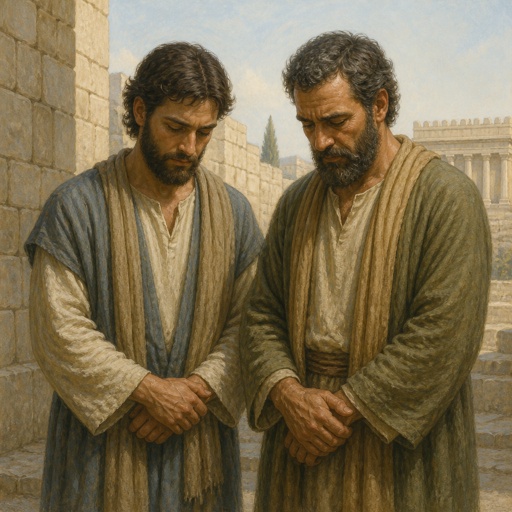
"And of the sons of Immer; Hanani, and Zebadiah." - Ezra 10:20

Ezra 3:2

Ezra 3:2

Ezra 3:2

Ezra 3:2

Ezra 3:2

Ezra 9:1-2

Zerubbabel in Ezra chapter 2

Ezra 2:22 - "The men of Netophah, fifty and six."
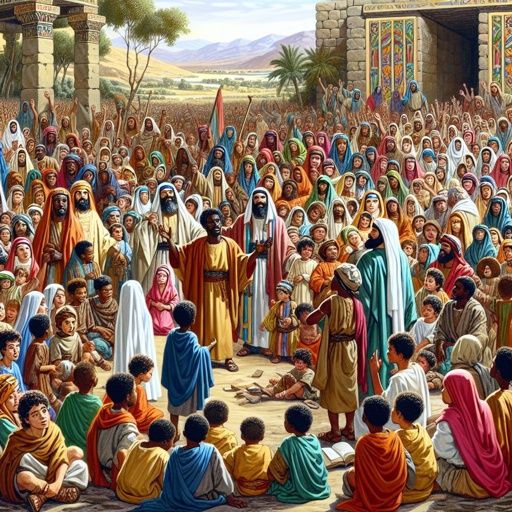
Ezra 2:18 - "The children of Jorah, an hundred and twelve."

Ezra 2:54 - "The children of Neziah, the children of Hatipha."

Ezra 2:24 - "The children of Azmaveth, forty and two."

Ezra 2:39 - "The children of Harim, a thousand and seventeen."

Ezra 9:1-2

Ezra 2:29 - "The children of Nebo, fifty and two."

Ezra 2:9 - "The children of Zaccai, seven hundred and threescore."

Ezra 2:27 - "The men of Michmas, an hundred twenty and two."
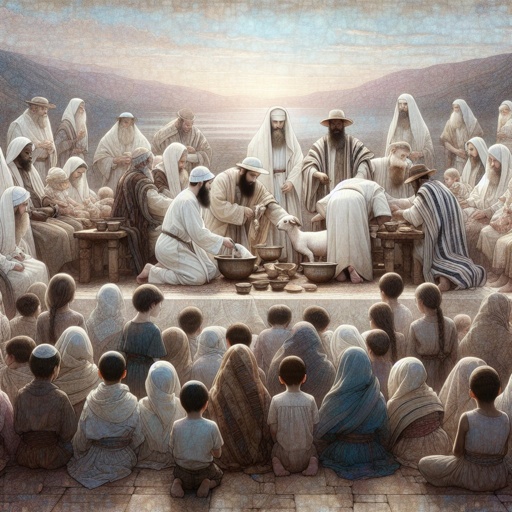
Ezra 6:20 - "For the priests and the Levites were purified together, all of them were pure, and killed the passover for all the children of the captivity, and for their brethren the priests, and for themselves."

Ezra 7:20 - "And whatsoever more shall be needful for the house of thy God, which thou shalt have occasion to bestow, bestow it out of the king's treasure house."

Ezra 8:20 - "Also of the Nethinims, whom David and the princes had appointed for the service of the Levites, two hundred and twenty Nethinims: all of them were expressed by name."

Ezra 2:37 - "The children of Immer, a thousand fifty and two."

Ezra 2:32 - "The children of Harim, three hundred and twenty."

Ezra 2:30 - "The children of Magbish, an hundred fifty and six."

Ezra 2:16 - "The children of Ater of Hezekiah, ninety and eight."

Ezra 2:23 - "The men of Anathoth, an hundred twenty and eight."

Ezra 2:56 - "The children of Jaalah, the children of Darkon, the children of Giddel,"

Ezra 2:11 - "The children of Bebai, six hundred twenty and three."