What does Ezra 2:11 mean?
"The children of Bebai, six hundred twenty and three." - Ezra 2:11

Ezra 2:11 in the King James Version of the Bible reads as follows: "The children of Bebai, six hundred twenty and three."
This verse is part of a passage that lists the names and numbers of the families that returned to Jerusalem after being exiled in Babylon. The Book of Ezra, from which this verse is taken, chronicles the return of the Israelites from exile and the reconstruction of the temple in Jerusalem.
One of the key themes of this verse and the larger passage is the restoration and renewal of the Jewish people after a period of exile and suffering. The return of the exiles to Jerusalem, and the subsequent rebuilding of the temple, symbolize the faithfulness and mercy of God towards His people. Despite the trials and tribulations they faced, the Israelites were able to return to their homeland and reestablish their connection to God through the reconstruction of the temple.
The specific mention of the children of Bebai and the precise number of six hundred twenty-three serves as a reminder of the importance of each individual within the community. The inclusion of these details emphasizes the significance of the contribution of every family and person in the rebuilding of Jerusalem. It also serves as a testament to the faithfulness and perseverance of the children of Bebai, who were willing to endure the challenges of returning to their homeland and participating in the reconstruction efforts.
In a broader context, the Book of Ezra serves as a historical record of the Jewish people and their relationship with God. It highlights the importance of obedience to God's commands, the consequences of disobedience, and the hope for restoration and redemption. The return from exile and the rebuilding of the temple symbolize the renewal of the covenant between God and His people, as well as the fulfillment of His promises.
Symbolically, the number six hundred twenty-three in this verse has significance within the biblical context. In the Bible, numbers often carry symbolic meaning. The number six is associated with incompleteness or imperfection, while the number twenty-three can symbolize God's faithfulness and provision. When combined, the number six hundred twenty-three may represent the imperfection and shortcomings of the Israelites, alongside God's faithfulness and mercy in restoring them to their homeland.
Overall, Ezra 2:11 and the surrounding passage convey a message of hope, restoration, and the faithfulness of God. It serves as a reminder of the importance of each individual within the community and the significance of faith and obedience in the face of adversity. The verse also underscores the themes of renewal and redemption, highlighting the enduring relationship between God and His people. Through the account of the return from exile and the rebuilding of the temple, the Book of Ezra offers a powerful testimony to the enduring faith of the Israelites and the mercy of God.
Have questions about Ezra 2:11?
Dive deeper into this scripture with Bible Chat — an AI-powered tool for exploring God's Word through conversation. Ask questions, get context, and grow in your understanding of the Bible.
Get Our Apps


Ezra 2:11 Artwork

Ezra 2:11 - "The children of Bebai, six hundred twenty and three."

"The children of Bebai, six hundred twenty and three." - Ezra 2:11

Ezra 7:11 - "¶ Now this is the copy of the letter that the king Artaxerxes gave unto Ezra the priest, the scribe, even a scribe of the words of the commandments of the LORD, and of his statutes to Israel."

Ezra 3:2

Ezra 3:2

Ezra 3:2

Ezra 8:11 - "And of the sons of Bebai; Zechariah the son of Bebai, and with him twenty and eight males."

Ezra 3:2

Ezra 3:2

Ezra 3:11 – "With praise and thanksgiving they sang to the Lord: 'He is good; his love toward Israel endures forever.'"

Ezra 9:1-2

Zerubbabel in Ezra chapter 2

Ezra 2:22 - "The men of Netophah, fifty and six."
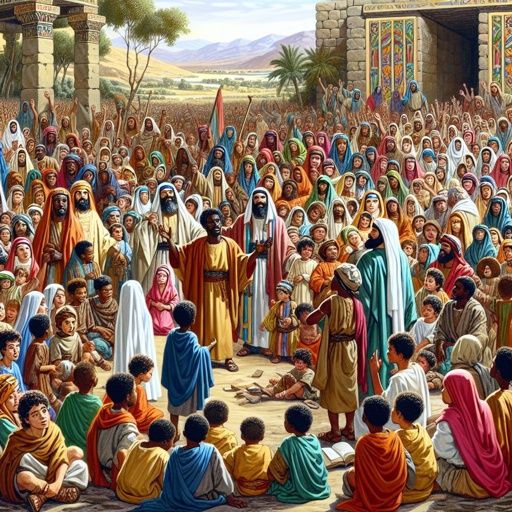
Ezra 2:18 - "The children of Jorah, an hundred and twelve."

Ezra 2:54 - "The children of Neziah, the children of Hatipha."

Ezra 2:20 - "The children of Gibbar, ninety and five."

Ezra 2:24 - "The children of Azmaveth, forty and two."

Ezra 2:39 - "The children of Harim, a thousand and seventeen."

Ezra 9:1-2

Ezra 2:29 - "The children of Nebo, fifty and two."

Ezra 2:9 - "The children of Zaccai, seven hundred and threescore."

Ezra 2:27 - "The men of Michmas, an hundred twenty and two."

Ezra 2:37 - "The children of Immer, a thousand fifty and two."

Ezra 2:32 - "The children of Harim, three hundred and twenty."

Ezra 2:30 - "The children of Magbish, an hundred fifty and six."

Ezra 2:16 - "The children of Ater of Hezekiah, ninety and eight."

Ezra 2:23 - "The men of Anathoth, an hundred twenty and eight."

Ezra 2:56 - "The children of Jaalah, the children of Darkon, the children of Giddel,"

Ezra 2:53 - "The children of Barkos, the children of Sisera, the children of Thamah,"

Ezra 2:45 - "The children of Lebanah, the children of Hagabah, the children of Akkub,"