What does Ezra 1:11 mean?
"All the vessels of gold and of silver were five thousand and four hundred. All these did Sheshbazzar bring up with them of the captivity that were brought up from Babylon unto Jerusalem." - Ezra 1:11
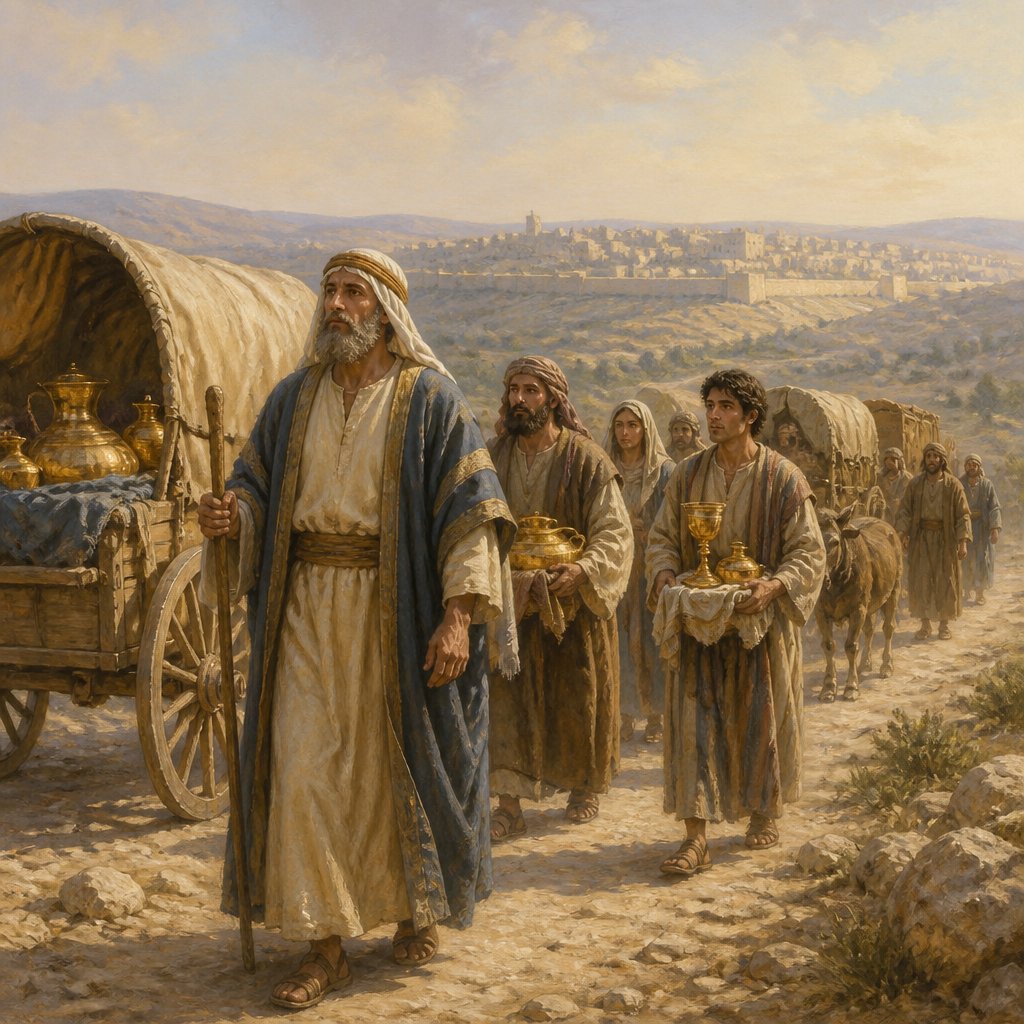
Ezra 1:11 (KJV) says, "All the vessels of gold and of silver were five thousand and four hundred. All these did Sheshbazzar bring up with them of the captivity that were brought up from Babylon unto Jerusalem."
The Book of Ezra chronicles the return of the Israelites from their Babylonian exile and the rebuilding of the Temple in Jerusalem. This particular verse depicts the journey back to Jerusalem and the restoration of the sacred vessels that had been taken from the Temple during the Babylonian conquest.
In understanding the deeper meaning of this verse, it is important to consider the historical and cultural context in which it was written. The Babylonian exile was a pivotal event in Israelite history, with the destruction of the Temple and the forced displacement of the Jewish people to Babylon. The return to Jerusalem, facilitated by the decree of Persian King Cyrus, marked a period of hope and renewal for the Israelites. The restoration of the sacred vessels, as described in Ezra 1:11, symbolized the reclamation of their religious and cultural identity.
One of the central themes of Ezra 1:11 is the concept of restoration. The return of the sacred vessels to Jerusalem signifies the restoration of the Israelites' spiritual heritage and the reestablishment of their worship practices. This act of bringing back the vessels symbolizes the reconnection with their past and the rebuilding of their community. It also represents the faithfulness of God to his people, as he fulfills his promise to restore them to their land.
Another theme present in this verse is the concept of exile and return. The Israelites' exile in Babylon was a period of immense suffering and loss, but it also served as a time of spiritual reflection and transformation. The return to Jerusalem, accompanied by the restored vessels, represents the fulfillment of their longing to return to their homeland. This theme of exile and return is a powerful metaphor for the human experience of separation, longing, and eventual restoration, both on a personal and collective level.
The mention of the specific number of gold and silver vessels—five thousand and four hundred—adds another layer of symbolism to the verse. In biblical numerology, the number five often represents God's grace and favor, while the number four is associated with the material world and earthly completeness. The combination of these numbers in the context of the vessels signifies the abundance and completeness of the restoration process. It conveys the idea that God's grace is more than sufficient to fully restore what was lost and to bring about a sense of wholeness and completeness.
The figure of Sheshbazzar, who is credited with bringing up the vessels from Babylon to Jerusalem, is also significant. While the identity of Sheshbazzar is not entirely clear in historical records, he is generally believed to be a prominent figure involved in the return of the exiled Israelites. His role in bringing back the sacred vessels underscores the importance of individual agency and leadership in the process of restoration. It also highlights the collaboration and cooperation of various individuals in the fulfillment of God's purposes.
In conclusion, Ezra 1:11 captures the profound significance of the return of the sacred vessels to Jerusalem following the Babylonian exile. It speaks to themes of restoration, exile and return, God's grace and favor, and the role of human agency in fulfilling divine purposes. The symbolism and historical context of this verse provide rich insights into the spiritual and cultural significance of the Israelites' journey back to their homeland. Ultimately, this verse serves as a testament to the enduring faith and resilience of the people of God, as well as a powerful reminder of the redemptive power of restoration.
Have questions about Ezra 1:11?
Dive deeper into this scripture with Bible Chat — an AI-powered tool for exploring God's Word through conversation. Ask questions, get context, and grow in your understanding of the Bible.
Get Our Apps


Ezra 1:11 Artwork

Ezra 1:11 - "All the vessels of gold and of silver were five thousand and four hundred. All these did Sheshbazzar bring up with them of the captivity that were brought up from Babylon unto Jerusalem."
"All the vessels of gold and of silver were five thousand and four hundred. All these did Sheshbazzar bring up with them of the captivity that were brought up from Babylon unto Jerusalem." - Ezra 1:11

Ezra 1:1

Ezra 1:1

Ezra 1:1 king Cyrus

Ezra 7:11 - "¶ Now this is the copy of the letter that the king Artaxerxes gave unto Ezra the priest, the scribe, even a scribe of the words of the commandments of the LORD, and of his statutes to Israel."

Ezra 2:11 - "The children of Bebai, six hundred twenty and three."

Acts 1:1-11

Acts 1:1-11

Ezra 8:11 - "And of the sons of Bebai; Zechariah the son of Bebai, and with him twenty and eight males."

Ezra 3:11 – "With praise and thanksgiving they sang to the Lord: 'He is good; his love toward Israel endures forever.'"

Ezra 7:1 - "Now after these things, in the reign of Artaxerxes king of Persia, Ezra the son of Seraiah, the son of Azariah, the son of Hilkiah,"

Ezra 9:1

Ezra 9:1

Ezra 9:1

Revelation 1:11

Isaiah 11:1

Ezra 9:1-2

Ezra 6:1-12

Revelation 1:11

"The children of Bebai, six hundred twenty and three." - Ezra 2:11

Ezra 4:11 - "¶ This is the copy of the letter that they sent unto him, even unto Artaxerxes the king; Thy servants the men on this side the river, and at such a time."

Ezra 9:1-2

Nehemiah 11:1-19

"¶ Now this is the copy of the letter that the king Artaxerxes gave unto Ezra the priest, the scribe, even a scribe of the words of the commandments of the LORD, and of his statutes to Israel." - Ezra 7:11
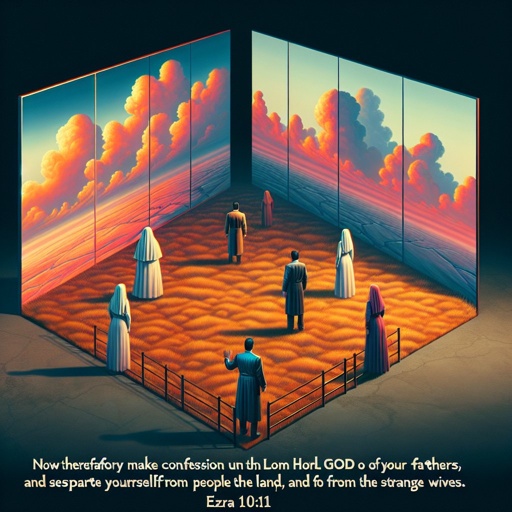
Ezra 10:11 - "Now therefore make confession unto the LORD God of your fathers, and do his pleasure: and separate yourselves from the people of the land, and from the strange wives."

"And of the sons of Bebai; Zechariah the son of Bebai, and with him twenty and eight males." - Ezra 8:11

Altar rebuilt in Jerusalem. Ezra 3:1-3

Ezra 3:11 – "With praise and thanksgiving they sang to the Lord: 'He is good; his love toward Israel endures forever.'"

Ezra 3:11 – "With praise and thanksgiving they sang to the Lord: 'He is good; his love toward Israel endures forever.'"