What does Ezra 10:30 mean?
"And of the sons of Pahath-moab; Adna, and Chelal, Benaiah, Maaseiah, Mattaniah, Bezaleel, and Binnui, and Manasseh." - Ezra 10:30
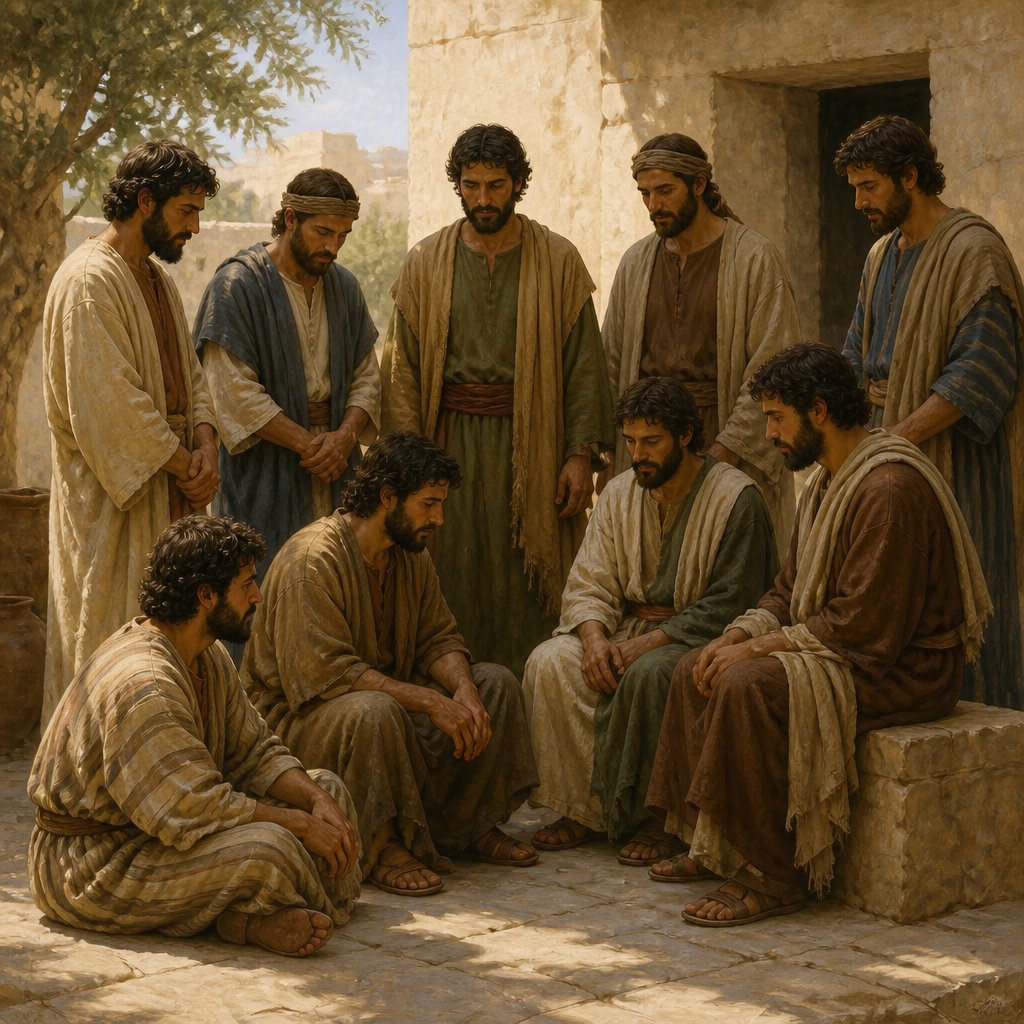
Ezra 10:30 in the King James Version of the Bible states, "And of the sons of Pahathmoab; Adna, and Chelal, Benaiah, Maaseiah, Mattaniah, Bezaleel, and Binnui, and Manasseh." At first glance, this verse may seem like just a list of names and descendants, but upon closer examination, there are several important themes, contexts, and symbolism that can be drawn from this passage.
To understand the significance of this verse, it is important to consider its broader context within the book of Ezra. The book of Ezra tells the story of the restoration of the Jewish community in Jerusalem after the Babylonian exile. The focus is on the return of the exiles to Jerusalem and the rebuilding of the temple. This verse specifically comes from a passage in which Ezra is documenting the families of the Israelites who had intermarried with foreign women and are now required to repent and separate from them.
One of the themes that can be drawn from this verse is the importance of adherence to God's laws and commandments. The names listed in this verse are of the sons of Pahathmoab, and they are being held accountable for their actions and are required to take steps to right their wrongs. This reflects the broader theme of repentance and obedience to God's will that runs throughout the book of Ezra.
Additionally, this verse serves as a reminder of the consequences of intermarriage with people from other nations. In the Old Testament, such intermarriages were often discouraged because they could lead the Israelites away from their faith and into idolatry. By listing the names of the sons of Pahathmoab, the verse highlights the specific individuals who were affected by this issue and the steps they needed to take to rectify the situation.
Symbolically, the names listed in this verse represent a specific group of people who are taking responsibility for their actions and making a commitment to follow God's laws. Each name has its own significance, and their inclusion in this verse serves as a testament to their dedication to the process of repentance and reconciliation with God.
Furthermore, the inclusion of this verse in the book of Ezra serves as a reminder to readers of the importance of maintaining a strong faith and commitment to God. The story of the Israelites in Ezra is a testament to the enduring nature of God's love and the power of repentance and forgiveness. This verse serves as a representation of the individuals within the community who are willing to take the necessary steps to maintain their faith and relationship with God.
In conclusion, Ezra 10:30 may seem like a simple list of names, but it holds significant meaning within the broader context of the book of Ezra. Through themes of repentance, obedience, and commitment to God, as well as symbolism that represents the individual actions of the sons of Pahathmoab, this verse serves as a reminder of the enduring power of faith and the importance of staying true to God's laws.
Have questions about Ezra 10:30?
Dive deeper into this scripture with Bible Chat — an AI-powered tool for exploring God's Word through conversation. Ask questions, get context, and grow in your understanding of the Bible.
Get Our Apps


Ezra 10:30 Artwork

Ezra 10:30 - "And of the sons of Pahath-moab; Adna, and Chelal, Benaiah, Maaseiah, Mattaniah, Bezaleel, and Binnui, and Manasseh."
"And of the sons of Pahath-moab; Adna, and Chelal, Benaiah, Maaseiah, Mattaniah, Bezaleel, and Binnui, and Manasseh." - Ezra 10:30

Ezra 2:30 - "The children of Magbish, an hundred fifty and six."

Ezra 10:10-12

Ezra 10:10 - "And Ezra the priest stood up, and said unto them, Ye have transgressed, and have taken strange wives, to increase the trespass of Israel."

Ezra 10:3

Ezra 3:10

Ezra 10:3
"The children of Magbish, an hundred fifty and six." - Ezra 2:30

Ezra 10:5 - "Then arose Ezra, and made the chief priests, the Levites, and all Israel, to swear that they should do according to this word. And they sware."

Ezra 7:10 - "For Ezra had prepared his heart to seek the law of the LORD, and to do it, and to teach in Israel statutes and judgments."

Ezra 10:38 - "And Bani, and Binnui, Shimei,"

Ezra 10:37 - "Mattaniah, Mattenai, and Jaasau,"

Ezra 10:40 - "Machnadebai, Shashai, Sharai,"

Ezra 10:32 - "Benjamin, Malluch, and Shemariah."

Ezra 10:36 - "Vaniah, Meremoth, Eliashib,"

Ezra 10:35 - "Benaiah, Bedeiah, Chelluh,"

Ezra 10:42 - "Shallum, Amariah, and Joseph."

Ezra 10:41 - "Azareel, and Shelemiah, Shemariah,"

Ezra 10:39 - "And Shelemiah, and Nathan, and Adaiah,"

Ezra 10:20 - "And of the sons of Immer; Hanani, and Zebadiah."

Ezra 10:34 - "Of the sons of Bani; Maadai, Amram, and Uel,"

Ezra 8:30 - "So took the priests and the Levites the weight of the silver, and the gold, and the vessels, to bring them to Jerusalem unto the house of our God."

Ezra 2:10 - "The children of Bani, six hundred forty and two."

Ezra 10:21 - "And of the sons of Harim; Maaseiah, and Elijah, and Shemaiah, and Jehiel, and Uzziah."

Ezra 10:24 - "Of the singers also; Eliashib: and of the porters; Shallum, and Telem, and Uri."

Ezra 10:28 - "Of the sons also of Bebai; Jehohanan, Hananiah, Zabbai, and Athlai."

Ezra 10:31 - "And of the sons of Harim; Eliezer, Ishijah, Malchiah, Shemaiah, Shimeon,"

"Azareel, and Shelemiah, Shemariah," - Ezra 10:41

"And Bani, and Binnui, Shimei," - Ezra 10:38