What does Ezekiel 20:2 mean?
"Then came the word of the LORD unto me, saying," - Ezekiel 20:2
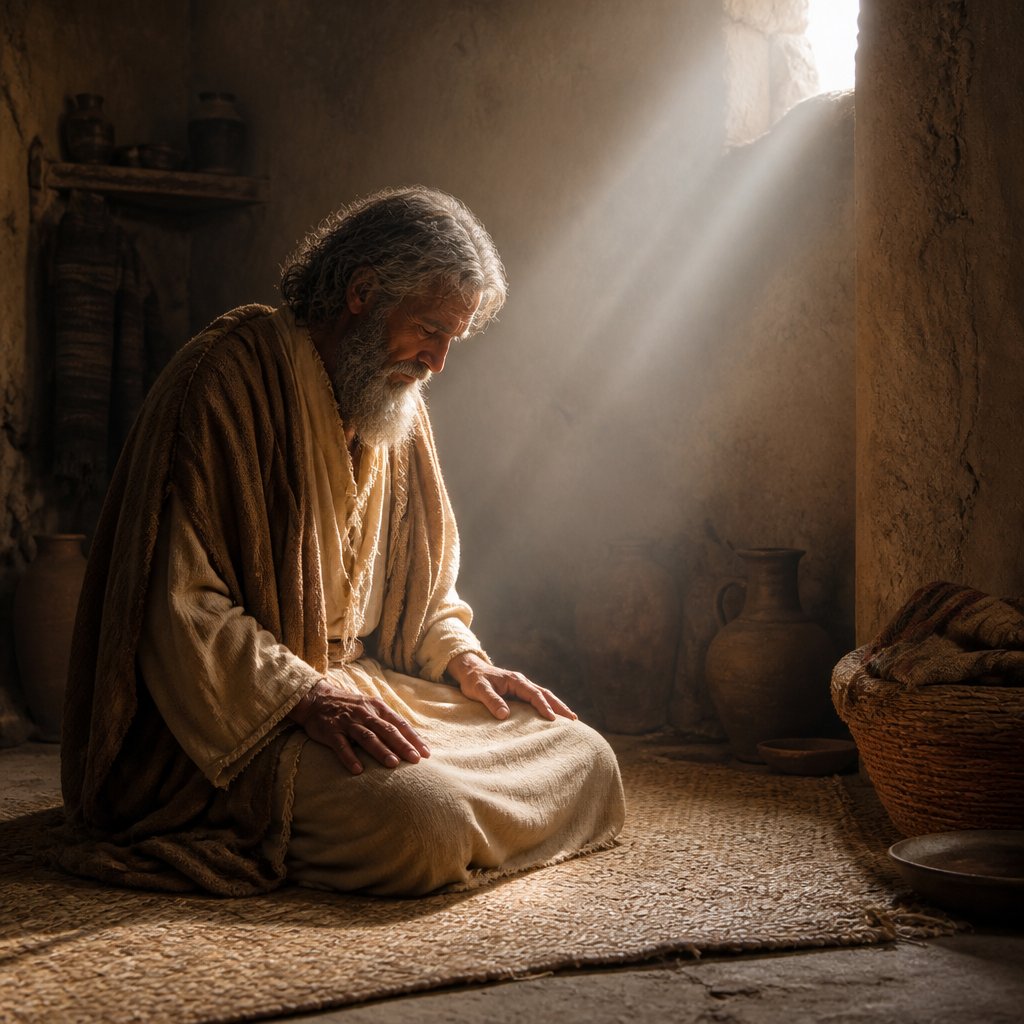
Ezekiel 20:2 in the King James Version of the Bible reads: "Then came the word of the Lord unto me, saying."
This verse comes from the book of Ezekiel, which is a prophetic book in the Old Testament. The prophet Ezekiel was one of the major prophets, and his ministry spanned over two decades during the time of the Babylonian exile. The book of Ezekiel is known for its vivid and symbolic visions, as well as its strong emphasis on the holiness and justice of God.
In this particular verse, Ezekiel is receiving a message from the Lord. Throughout the book of Ezekiel, the phrase "the word of the Lord came unto me" or similar variations are used repeatedly to indicate that Ezekiel is receiving direct communication from God. This serves to emphasize the authority and divine inspiration of Ezekiel's prophecies.
The context of Ezekiel 20:2 is important for understanding its meaning. In the preceding chapters, Ezekiel has been delivering messages of judgment and warning to the people of Israel for their disobedience and idolatry. He has condemned their leaders for their corrupt and unjust behavior, and he has pronounced God's judgment on the nation as a whole. In the verses leading up to chapter 20, Ezekiel has been recounting the history of Israel's rebellion against God, from their time in Egypt to their entry into the Promised Land.
With this in mind, the verse serves as a continuation of Ezekiel's prophetic ministry. It is a reminder to Ezekiel and to the reader that his words are not his own, but are directly from the Lord. This underscores the seriousness and urgency of the message that Ezekiel is delivering to the people of Israel. It also serves as a reminder of the ongoing relationship between God and his people, despite their disobedience and rebellion.
The theme of divine authority and the importance of obedience to God's word is central to this verse. The phrase "the word of the Lord" carries a weight of authority and truth, indicating that what follows is a message directly from God. This reinforces the idea that Ezekiel's prophecies are not simply his own opinions or ideas, but are a direct communication from the divine.
Furthermore, the verse reflects the overarching theme of the book of Ezekiel, which is the holiness and justice of God. Throughout the book, God's actions are depicted as just and righteous, and his judgment is portrayed as a response to the people's disobedience. By emphasizing that the word of the Lord came unto him, Ezekiel is highlighting the divine source of his message and reinforcing the seriousness of the situation.
Symbolically, the phrase "the word of the Lord" can be seen as representing the presence and authority of God himself. It serves as a reminder that God is actively involved in the lives of his people, and that his word carries power and significance. In a broader sense, it also points to the importance of scripture and the written word of God as a means of communication between God and humanity.
In conclusion, Ezekiel 20:2 is a brief but significant verse that encapsulates some of the key themes and messages of the book of Ezekiel. It serves as a reminder of the divine authority of Ezekiel's prophecies, the ongoing relationship between God and his people, and the overarching theme of the holiness and justice of God. It also highlights the importance of obedience to God's word and the power of divine communication. Overall, this verse serves as a powerful and evocative statement of the prophetic ministry of Ezekiel and the authority of the word of the Lord.
Have questions about Ezekiel 20:2?
Dive deeper into this scripture with Bible Chat — an AI-powered tool for exploring God's Word through conversation. Ask questions, get context, and grow in your understanding of the Bible.
Get Our Apps


Ezekiel 20:2 Artwork

Ezekiel 20:2 - "Then came the word of the LORD unto me, saying,"
"Then came the word of the LORD unto me, saying," - Ezekiel 20:2

Ezekiel 20:41

Ezekiel 20:41

Ezekiel 20:40

Ezekiel 20:41

Ezekiel 20:40

Ezekiel 20:40

Ezekiel 20:41

Ezekiel 20:41

Ezekiel 20:40

Ezekiel 20:41

Ezekiel 27:20 - "Dedan was thy merchant in precious clothes for chariots."

Ezekiel 28:20 - "¶ Again the word of the LORD came unto me, saying,"

Ezekiel 20:45 - "¶ Moreover the word of the LORD came unto me, saying,"

Ezekiel 20:20 - "And hallow my sabbaths; and they shall be a sign between me and you, that ye may know that I am the LORD your God."

Ezekiel 37:20 - "¶ And the sticks whereon thou writest shall be in thine hand before their eyes."

Ezekiel 24:20 - "Then I answered them, The word of the LORD came unto me, saying,"

Ezekiel 21:20 - "Appoint a way, that the sword may come to Rabbath of the Ammonites, and to Judah in Jerusalem the defenced."

Ezekiel 20:48 - "And all flesh shall see that I the LORD have kindled it: it shall not be quenched."

Ezekiel 20:35 - "And I will bring you into the wilderness of the people, and there will I plead with you face to face."

Ezekiel 20:49 - "Then said I, Ah Lord GOD! they say of me, Doth he not speak parables?"

Ezekiel 20:37 - "And I will cause you to pass under the rod, and I will bring you into the bond of the covenant:"

Ezekiel 20:10 - "¶ Wherefore I caused them to go forth out of the land of Egypt, and brought them into the wilderness."

Ezekiel 20:25 - "Wherefore I gave them also statutes that were not good, and judgments whereby they should not live;"

Ezekiel 41:20 - "From the ground unto above the door were cherubims and palm trees made, and on the wall of the temple."

Ezekiel 40:20 - "¶ And the gate of the outward court that looked toward the north, he measured the length thereof, and the breadth thereof."

Ezekiel 10:20 - "This is the living creature that I saw under the God of Israel by the river of Chebar; and I knew that they were the cherubims."

Ezekiel 44:20 - "Neither shall they shave their heads, nor suffer their locks to grow long; they shall only poll their heads."

Ezekiel 23:20 - "For she doted upon their paramours, whose flesh is as the flesh of asses, and whose issue is like the issue of horses."