What does Exodus 9:33 mean?
"And Moses went out of the city from Pharaoh, and spread abroad his hands unto the LORD: and the thunders and hail ceased, and the rain was not poured upon the earth." - Exodus 9:33
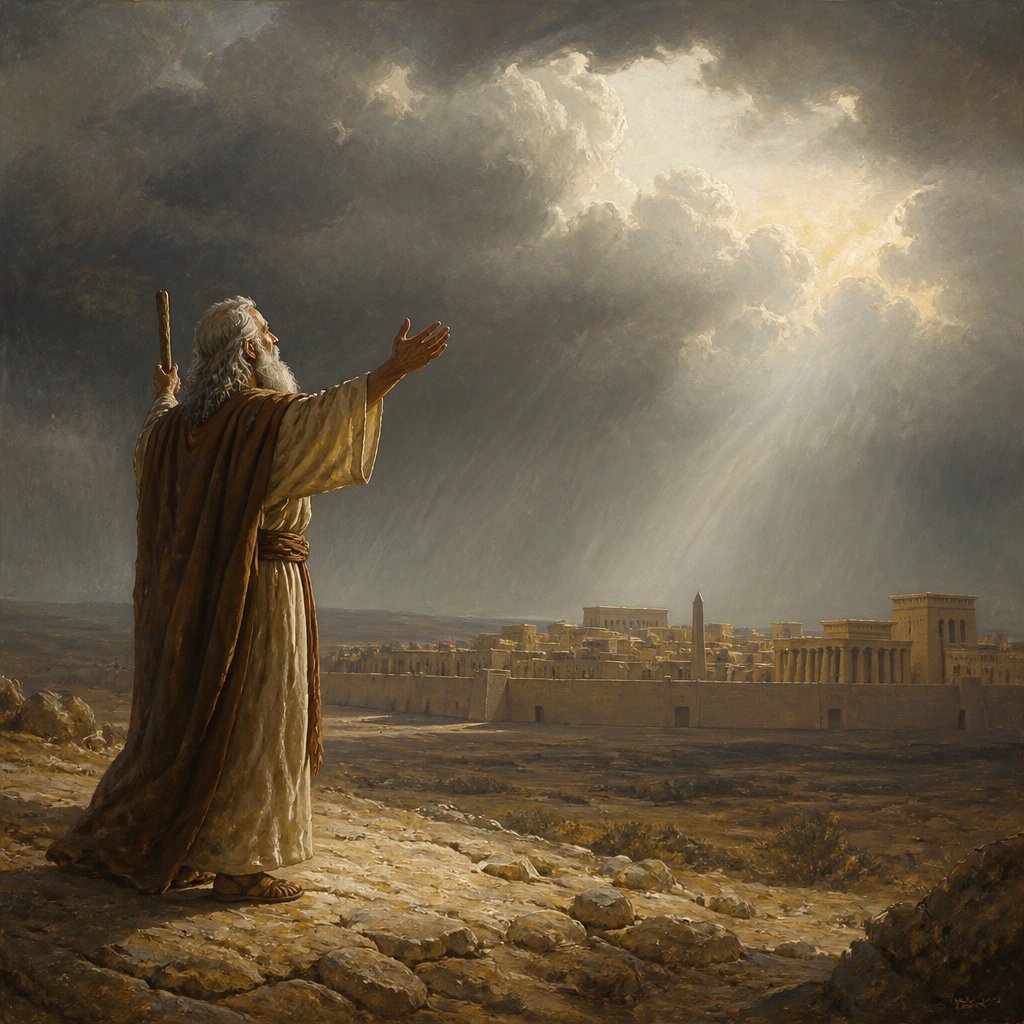
Exodus 9:33 in the King James Version reads:
"And Moses went out of the city from Pharaoh, and spread abroad his hands unto the Lord: and the thunders and hail ceased, and the rain was not poured upon the earth."
This verse comes from the ninth chapter of the book of Exodus, which details the plagues that God afflicted upon the land of Egypt in order to secure the release of the Israelites from their bondage. In this particular verse, Moses stands before Pharaoh, the ruler of Egypt, and intercedes with God to stop the plague of hail that was devastating the land. This act of prayer and intercession demonstrates Moses's power as a mediator between God and the people, and emphasizes the importance of communication with God in times of crisis.
The context of this verse is essential for a full understanding of its meaning. Throughout the Exodus narrative, Moses confronts Pharaoh on multiple occasions, demanding the release of the Israelites from slavery and warning of the consequences if he refuses. Each time, Pharaoh's heart is hardened, and he refuses to let the people go, prompting God to unleash a series of supernatural plagues upon the land. The plague of hail is one such punishment, and as the devastation grows, Pharaoh's resistance continues.
At this point in the story, Moses has yet to persuade Pharaoh to release the Israelites, and the plague of hail is causing widespread destruction. In desperation, he turns to God and spreads his hands in prayer, asking for the hail to cease. It is through this act of faith and intercession that the storm is calmed, and the rain ceases to pour upon the earth. The symbolism of this event is significant, as it illustrates the power of prayer and the ability of a faithful servant of God to intervene on behalf of the people.
One of the central themes of this verse is the idea of God's sovereignty and the demonstration of His power over the forces of nature. Throughout the book of Exodus, God shows His control over the elements through the plagues He inflicts upon Egypt. The plague of hail is a clear example of His ability to manipulate the weather and cause natural disasters at will. Despite Pharaoh's stubbornness, God's authority is ultimately unchallenged, and the cessation of the hail serves as a reminder of His supreme power.
Another important theme in this verse is the role of intercession in prayer. Moses's act of spreading his hands and praying to God on behalf of the people illustrates the significance of intercessory prayer in seeking God's mercy and intervention. It highlights the idea that a righteous individual can stand in the gap for others and plead for God's grace and favor. It also speaks to the notion of the importance of a personal relationship with God and the ability to communicate with Him directly in times of need.
In terms of symbolism, the spreading of Moses's hands represents an outward expression of devotion and supplication to God. It symbolizes his willingness to submit to God's will and his desire to communicate with Him in a physical, tangible way. The ceasing of the hail and rain symbolizes God's ability to bring an end to calamity and His willingness to respond to the prayers of His faithful servants.
In conclusion, Exodus 9:33 from the King James Version offers a powerful depiction of the themes of God's sovereignty, intercessory prayer, and symbolic gestures of devotion. It captures a pivotal moment in the biblical narrative of the Exodus, emphasizing the importance of faith, communication with God, and the demonstration of His power. Through this verse, readers are reminded of the profound impact of prayer and the reassurance of God's control over the natural world.
Have questions about Exodus 9:33?
Dive deeper into this scripture with Bible Chat — an AI-powered tool for exploring God's Word through conversation. Ask questions, get context, and grow in your understanding of the Bible.
Get Our Apps


Exodus 9:33 Artwork
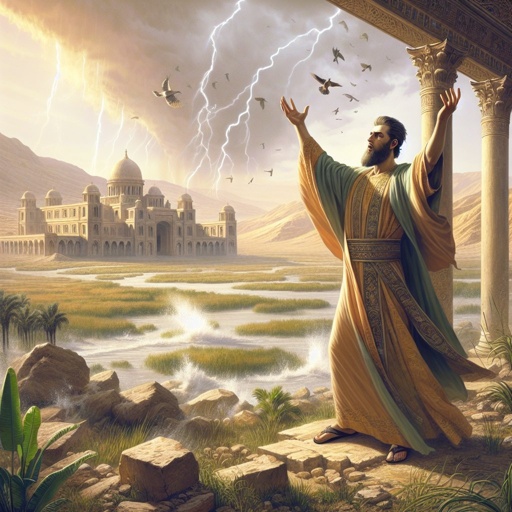
Exodus 9:33 - "And Moses went out of the city from Pharaoh, and spread abroad his hands unto the LORD: and the thunders and hail ceased, and the rain was not poured upon the earth."
"And Moses went out of the city from Pharaoh, and spread abroad his hands unto the LORD: and the thunders and hail ceased, and the rain was not poured upon the earth." - Exodus 9:33

Exodus 33:9 - "And it came to pass, as Moses entered into the tabernacle, the cloudy pillar descended, and stood at the door of the tabernacle, and the LORD talked with Moses."

Exodus 12:33

Exodus 26:31-33
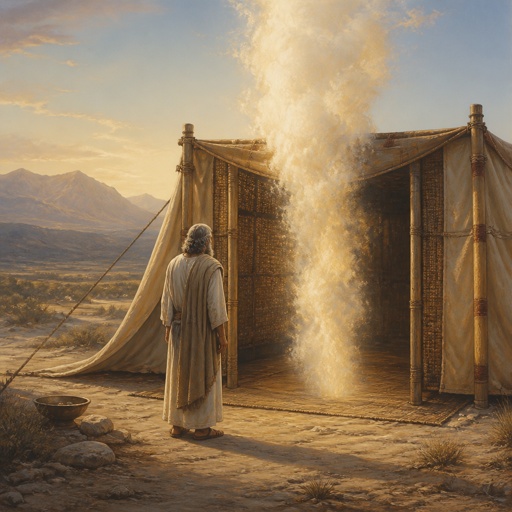
"And it came to pass, as Moses entered into the tabernacle, the cloudy pillar descended, and stood at the door of the tabernacle, and the LORD talked with Moses." - Exodus 33:9

Exodus 33:6 - "And the children of Israel stripped themselves of their ornaments by the mount Horeb."

Exodus 33:18 - "And he said, I beseech thee, shew me thy glory."

Ezekiel 33:3-9

Exodus 33:21 - "And the LORD said, Behold, there is a place by me, and thou shalt stand upon a rock:"

Exodus 33:14 - "And he said, My presence shall go with thee, and I will give thee rest."

Exodus 34:33 - "And till Moses had done speaking with them, he put a vail on his face."

Exodus 35:33 - "And in the cutting of stones, to set them, and in carving of wood, to make any manner of cunning work."

Exodus 36:33 - "And he made the middle bar to shoot through the boards from the one end to the other."

Exodus 33:15 - "And he said unto him, If thy presence go not with me, carry us not up hence."

Exodus 33:4 - "¶ And when the people heard these evil tidings, they mourned: and no man did put on him his ornaments."

Exodus 33:20 - "And he said, Thou canst not see my face: for there shall no man see me, and live."

Exodus 21:33 - "¶ And if a man shall open a pit, or if a man shall dig a pit, and not cover it, and an ox or an ass fall therein;"

John 9:33 - "If this man were not of God, he could do nothing."

Psalms 33:9 - "For he spake, and it was done; he commanded, and it stood fast."

Exodus 33:2 - "And I will send an angel before thee; and I will drive out the Canaanite, the Amorite, and the Hittite, and the Perizzite, the Hivite, and the Jebusite:"

Exodus 32:33 - "And the LORD said unto Moses, Whosoever hath sinned against me, him will I blot out of my book."

Exodus 33:23 - "And I will take away mine hand, and thou shalt see my back parts: but my face shall not be seen."

Exodus 30:33 - "Whosoever compoundeth any like it, or whosoever putteth any of it upon a stranger, shall even be cut off from his people."

Exodus 12:33 - "And the Egyptians were urgent upon the people, that they might send them out of the land in haste; for they said, We be all dead men."

Exodus 29:33 - "And they shall eat those things wherewith the atonement was made, to consecrate and to sanctify them: but a stranger shall not eat thereof, because they are holy."
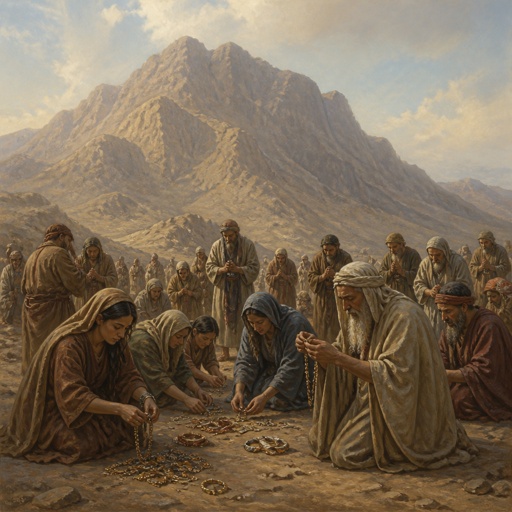
"And the children of Israel stripped themselves of their ornaments by the mount Horeb." - Exodus 33:6

Exodus 40:9
Exodus 2:9

Exodus 2:9