What does Exodus 9:30 mean?
"But as for thee and thy servants, I know that ye will not yet fear the LORD God." - Exodus 9:30
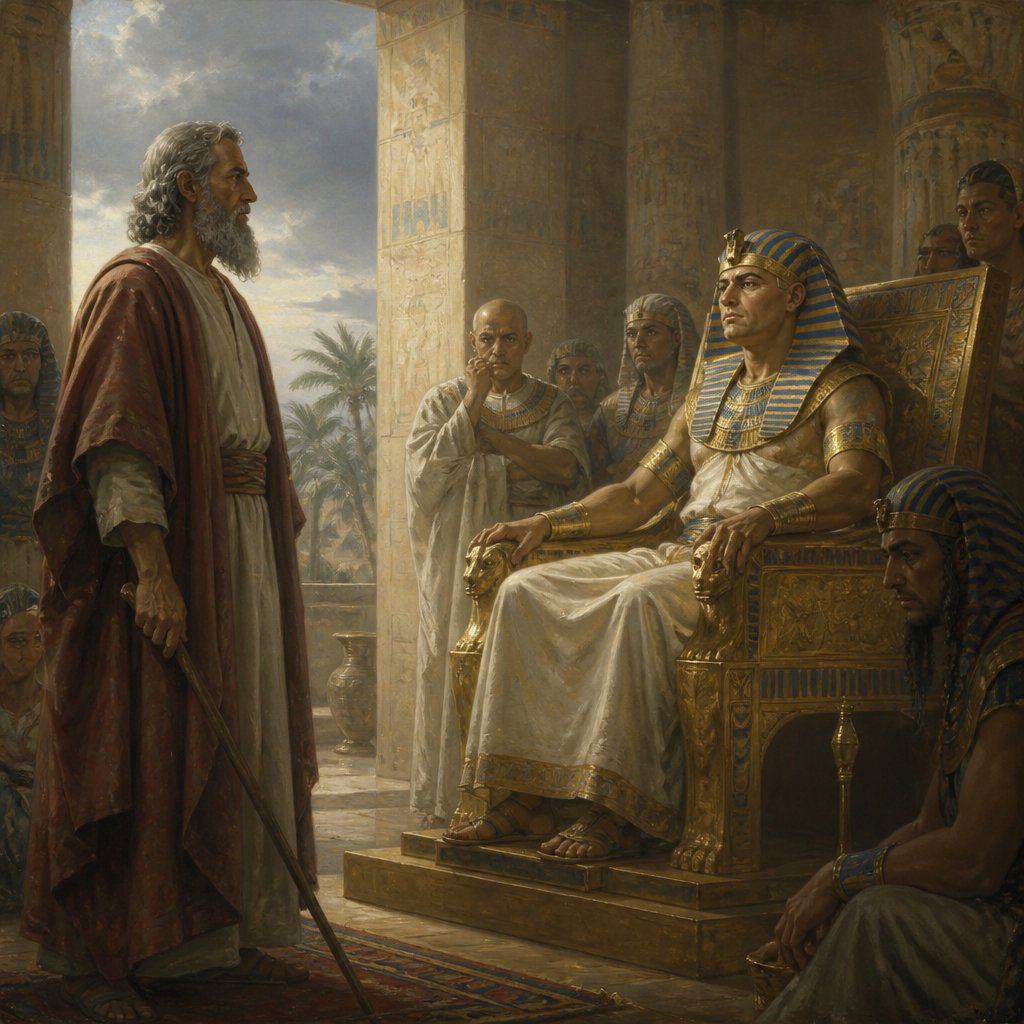
Exodus 9:30 in the King James Version of the Bible states: "But as for thee and thy servants, I know that ye will not yet fear the LORD God."
In order to fully understand the meaning and context of this verse, it is important to examine the surrounding passages and the historical context in which they were written. The book of Exodus is the second book of the Bible and primarily focuses on the Israelites' exodus from Egypt and their journey to the Promised Land. In this particular chapter, God sends a series of plagues upon the Egyptians as a means of demonstrating His power and authority, and to compel Pharaoh to release the Israelites from their bondage.
In verse 30, God is speaking to Pharaoh through Moses, essentially foretelling that he and his servants will not yet fear the Lord God. This highlights the hardened heart of Pharaoh and the Egyptians, as despite the miraculous and devastating plagues that God has brought upon them, they still refuse to acknowledge and fear Him. The phrase "I know that ye will not yet fear" indicates a deep understanding and certainty on God's part, as if to say that He is fully aware of Pharaoh's stubbornness and lack of reverence for Him.
This verse also serves as a reminder of the consequences of ignoring God's power and authority. Throughout the plagues, God repeatedly gives Pharaoh and the Egyptians the opportunity to repent and change their ways, yet they persist in their stubbornness and defiance. This theme of obstinacy and the futile resistance against God's will is a recurring motif throughout the book of Exodus and highlights the consequences of pride and disobedience.
The broader theme of the book of Exodus is the deliverance and redemption of the Israelites, as God leads them out of slavery in Egypt and establishes a covenant with them. The plagues serve as a display of God's sovereignty and His ability to protect and deliver His people from oppression. Additionally, the repeated refusal of Pharaoh to acknowledge God's power ultimately leads to the culmination of the final and most devastating plague: the death of the firstborn.
In terms of symbolism, this verse represents the ongoing battle between pride and humility, and the consequences of a hardened heart. Pharaoh's refusal to acknowledge God serves as a warning against the dangers of pride and the importance of humility and reverence in the face of God's power. It also serves as a reminder of the importance of faith and obedience in God's plan for deliverance and redemption.
Overall, Exodus 9:30 embodies the themes of God's sovereignty, the consequences of pride and disobedience, and the importance of humility and reverence in acknowledging His power. It serves as a powerful reminder of the futility of resisting God's will and the importance of acknowledging His authority in our lives.
Have questions about Exodus 9:30?
Dive deeper into this scripture with Bible Chat — an AI-powered tool for exploring God's Word through conversation. Ask questions, get context, and grow in your understanding of the Bible.
Get Our Apps


Exodus 9:30 Artwork

Exodus 9:30 - "But as for thee and thy servants, I know that ye will not yet fear the LORD God."
"But as for thee and thy servants, I know that ye will not yet fear the LORD God." - Exodus 9:30
Exodus 30:9 - "Ye shall offer no strange incense thereon, nor burnt sacrifice, nor meat offering; neither shall ye pour drink offering thereon."

Exodus 26:30

Exodus 28:30-43

Exodus 28:15-30

Exodus 30:30 - "And thou shalt anoint Aaron and his sons, and consecrate them, that they may minister unto me in the priest's office."

Exodus 16:30 - "So the people rested on the seventh day."

Exodus 30:17 - "¶ And the LORD spake unto Moses, saying,"

Exodus 30:11 - "¶ And the LORD spake unto Moses, saying,"

Exodus 30:22 - "¶ Moreover the LORD spake unto Moses, saying,"

Exodus 8:30 - "And Moses went out from Pharaoh, and intreated the LORD."

luke 9:30

Exodus 30:26 - "And thou shalt anoint the tabernacle of the congregation therewith, and the ark of the testimony,"

Exodus 30:19 - "For Aaron and his sons shall wash their hands and their feet thereat:"

Exodus 30:27 - "And the table and all his vessels, and the candlestick and his vessels, and the altar of incense,"

Exodus 30:5 - "And thou shalt make the staves of shittim wood, and overlay them with gold."

Exodus 25:30 - "And thou shalt set upon the table shewbread before me alway."

Exodus 30:28 - "And the altar of burnt offering with all his vessels, and the laver and his foot."

The Plague on the Firstborn - Exodus 11, 12:1-30

Exodus 30:24 - "And of cassia five hundred shekels, after the shekel of the sanctuary, and of oil olive an hin:"

luke 9:29- 30

The Plague on the Firstborn - Exodus 11, 12:1-30

Exodus 40:30 - "¶ And he set the laver between the tent of the congregation and the altar, and put water there, to wash withal."
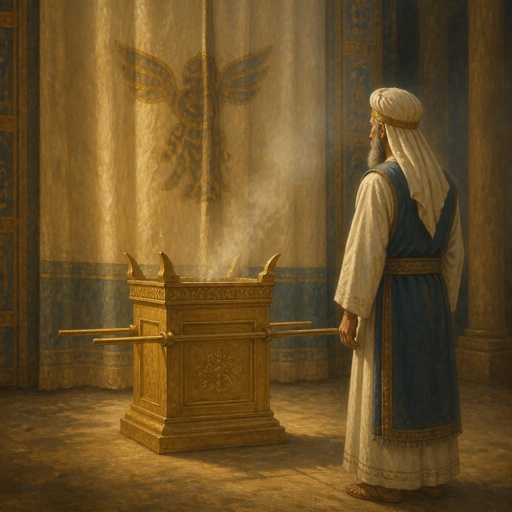
"Ye shall offer no strange incense thereon, nor burnt sacrifice, nor meat offering; neither shall ye pour drink offering thereon." - Exodus 30:9
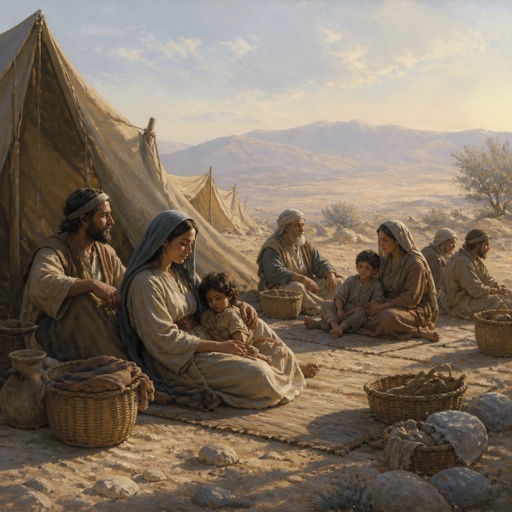
"So the people rested on the seventh day." - Exodus 16:30

Exodus 26:30 - "And thou shalt rear up the tabernacle according to the fashion thereof which was shewed thee in the mount."

Exodus 30:35 - "And thou shalt make it a perfume, a confection after the art of the apothecary, tempered together, pure and holy:"

Exodus 30:1 - "And thou shalt make an altar to burn incense upon: of shittim wood shalt thou make it."

Exodus 30:29 - "And thou shalt sanctify them, that they may be most holy: whatsoever toucheth them shall be holy."