What does Exodus 9:13 mean?
"¶ And the LORD said unto Moses, Rise up early in the morning, and stand before Pharaoh, and say unto him, Thus saith the LORD God of the Hebrews, Let my people go, that they may serve me." - Exodus 9:13
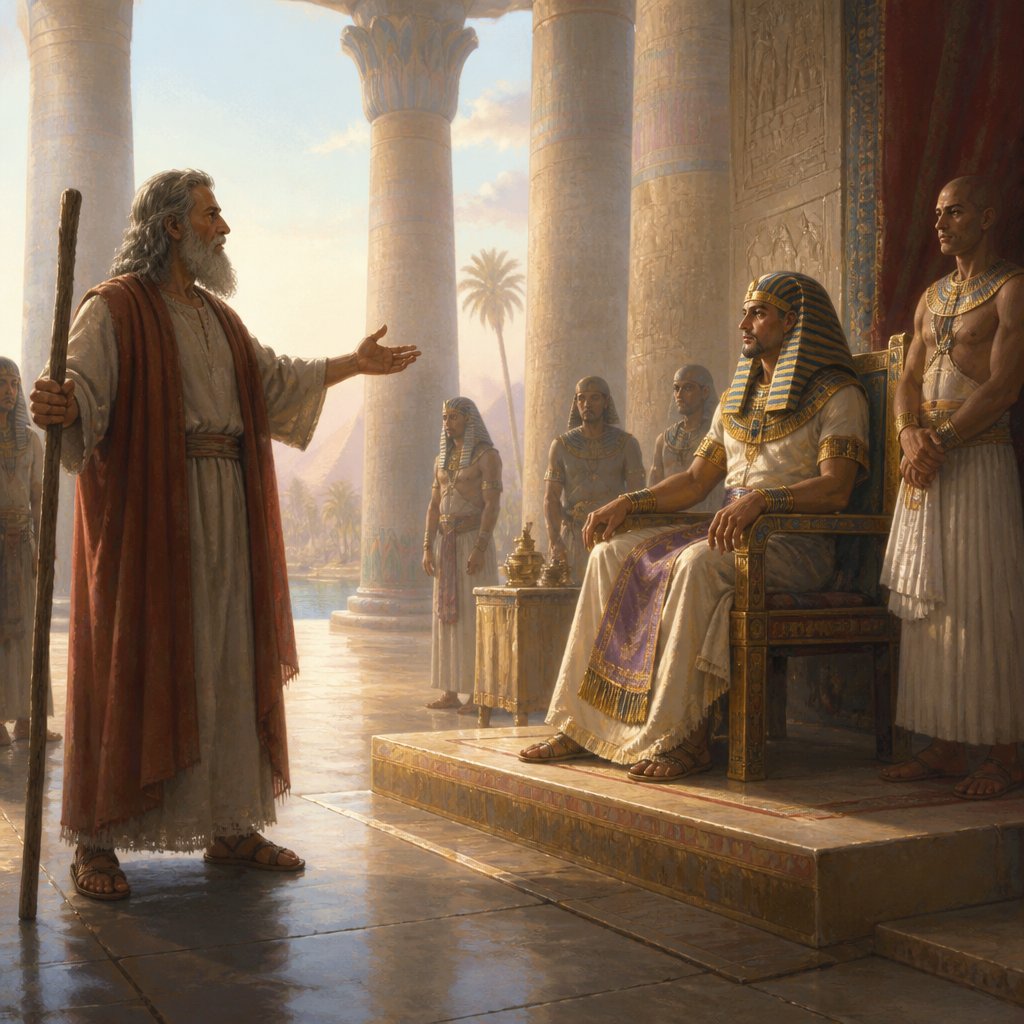
Exodus 9:13 in the King James Version (KJV) reads, "And the Lord said unto Moses, Rise up early in the morning, and stand before Pharaoh, and say unto him, Thus saith the Lord God of the Hebrews, Let my people go, that they may serve me." This verse comes from the book of Exodus which tells the story of the Israelites' liberation from slavery in Egypt under the leadership of Moses.
The context of this verse is the ongoing struggle between Moses, as the representative of God, and Pharaoh, the ruler of Egypt. The Israelites had been enslaved in Egypt for generations, and they cried out to God for deliverance. In response, God sent Moses to Pharaoh to demand the release of the Israelites. However, Pharaoh repeatedly refused to grant their freedom, leading to a series of plagues sent by God to demonstrate His power and convince Pharaoh to let the Israelites go.
In Exodus 9:13, God instructs Moses to confront Pharaoh once again and demand the release of the Israelites. The phrase "Rise up early in the morning" suggests a sense of urgency and determination. This command emphasizes the seriousness of the situation and the importance of delivering God's message to Pharaoh without delay.
The verse also contains a powerful declaration from God, as He identifies Himself as the "Lord God of the Hebrews." By making this proclamation, God underscores His authority and power over Pharaoh and the entire nation of Egypt. The command to "Let my people go, that they may serve me" serves as a reminder of the true purpose of the Israelites' liberation – to worship and serve God freely.
One of the central themes of Exodus 9:13 is the sovereignty of God. Throughout the book of Exodus, God demonstrates His absolute control over the natural world and human affairs through the plagues and other miraculous events. This verse underscores God's authority and His unwavering commitment to deliver His people from oppression. It also highlights the importance of obedience and faithfulness to God's commands, as Moses is tasked with delivering God's message to Pharaoh despite the challenges and resistance he faces.
Another theme in this verse is the concept of liberation and freedom. The Israelites' struggle for freedom from slavery in Egypt serves as a powerful metaphor for the human longing for deliverance from spiritual bondage and oppression. The demand to "Let my people go, that they may serve me" reflects God's desire for His people to experience the fullness of life and worship Him without hindrance.
In terms of symbolism, Exodus 9:13 can be interpreted as a representation of the ongoing spiritual battle between good and evil. Pharaoh, as the ruler of Egypt, embodies the forces of oppression and resistance to God's will. On the other hand, Moses represents the faithful servant who bravely confronts these forces in order to fulfill God's purpose. The struggle between Moses and Pharaoh mirrors the eternal conflict between obedience to God and the forces of darkness.
In conclusion, Exodus 9:13 is a pivotal verse in the narrative of the Israelites' liberation from slavery in Egypt. It reveals important themes of God's sovereignty, the quest for freedom, and the spiritual battle between good and evil. The verse also serves as a call to obedience and faithfulness to God's commands. Through its timeless message, Exodus 9:13 continues to inspire and challenge readers to seek liberation from all forms of oppression and to serve God wholeheartedly.
Have questions about Exodus 9:13?
Dive deeper into this scripture with Bible Chat — an AI-powered tool for exploring God's Word through conversation. Ask questions, get context, and grow in your understanding of the Bible.
Get Our Apps


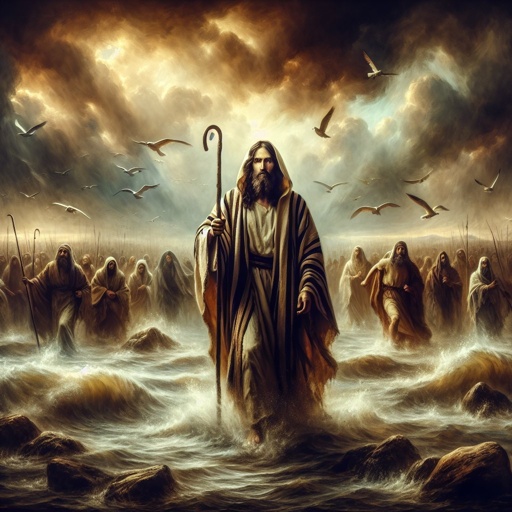
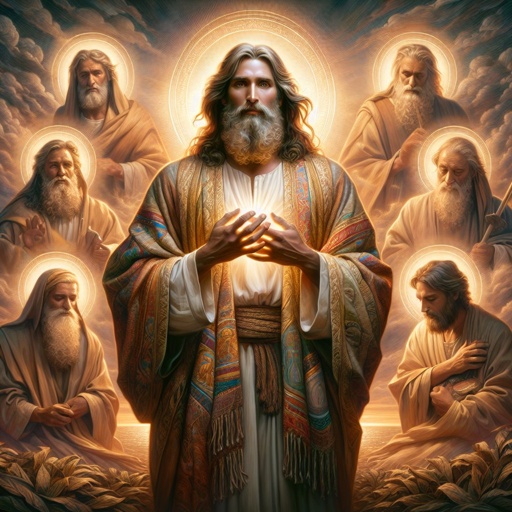
Exodus 9:13 Artwork

The Plague of Hail - Exodus 9:13-35

The Plague of Hail - Exodus 9:13-35

The Plague of Hail - Exodus 9:13-35

The Plague of Hail - Exodus 9:13-35

Exodus 9:13 - "¶ And the LORD said unto Moses, Rise up early in the morning, and stand before Pharaoh, and say unto him, Thus saith the LORD God of the Hebrews, Let my people go, that they may serve me."
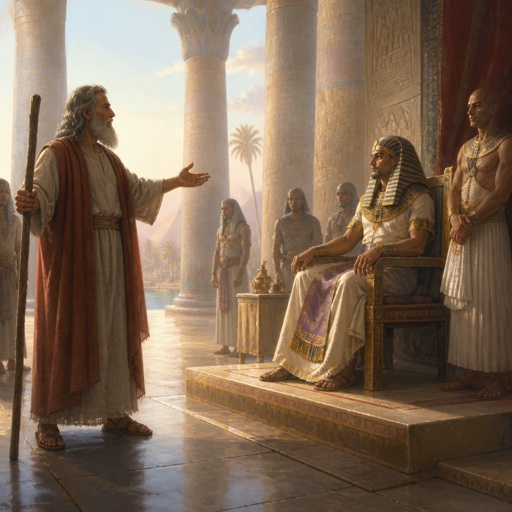
"¶ And the LORD said unto Moses, Rise up early in the morning, and stand before Pharaoh, and say unto him, Thus saith the LORD God of the Hebrews, Let my people go, that they may serve me." - Exodus 9:13

Exodus 13:9 - "And it shall be for a sign unto thee upon thine hand, and for a memorial between thine eyes, that the LORD'S law may be in thy mouth: for with a strong hand hath the LORD brought thee out of Egypt."

Exodus 14:13

Exodus 14:13

Exodus 14:13

Exodus 14:13

Exodus 14:13

Exodus 14:13

Exodus 14:13
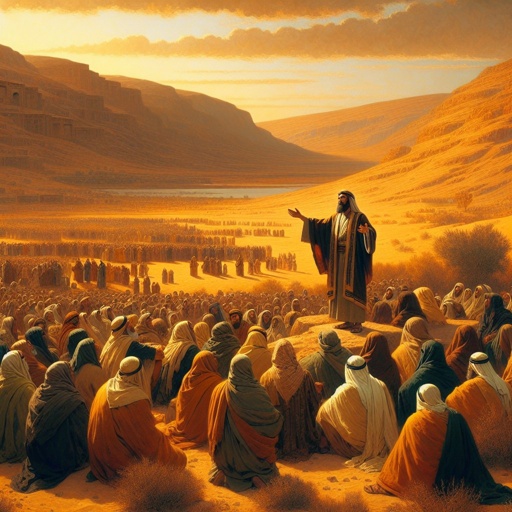
Exodus 14:13

Exodus 14:13

Exodus 14:13
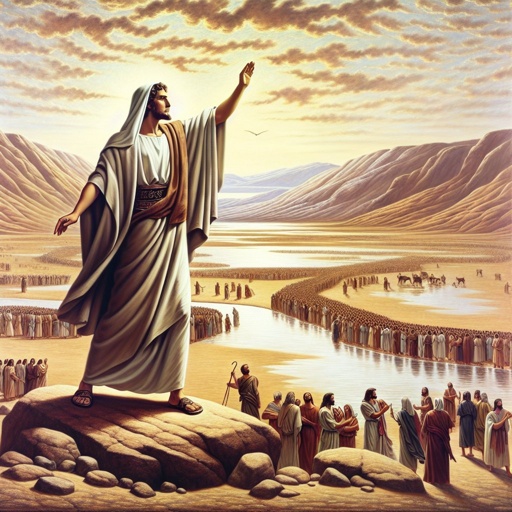
Exodus 14:13
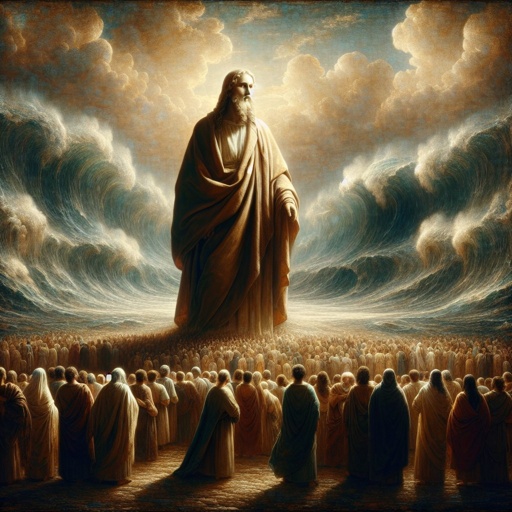
Exodus 14:13
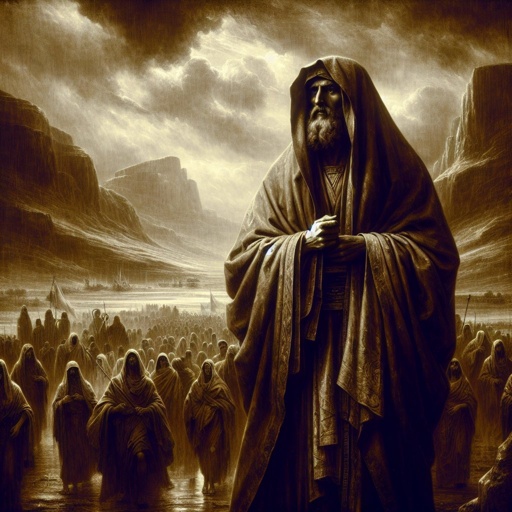
Exodus 14:13
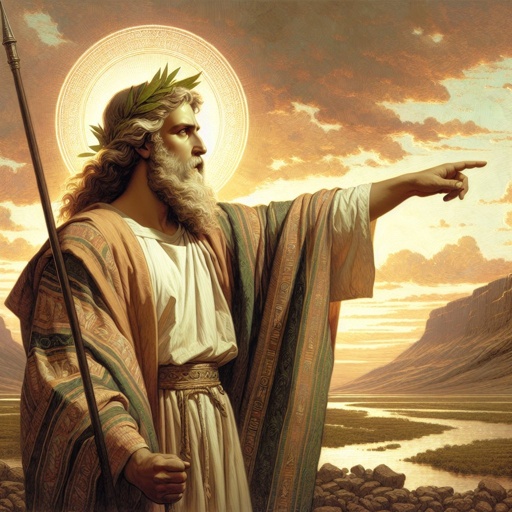
Exodus 14:13

Exodus 14:13

Exodus 14:13

Exodus 14:13

Exodus 14:13

Exodus 14:13
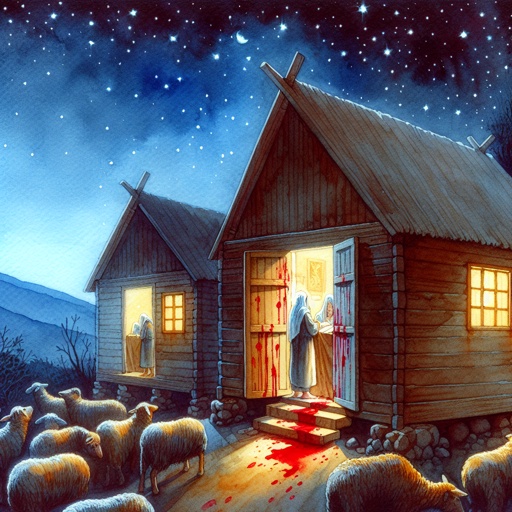
Exodus 12:13

Exodus 14:13
Exodus 14:13
Exodus 14:13