What does Exodus 9:1 mean?
"Then the LORD said unto Moses, Go in unto Pharaoh, and tell him, Thus saith the LORD God of the Hebrews, Let my people go, that they may serve me." - Exodus 9:1
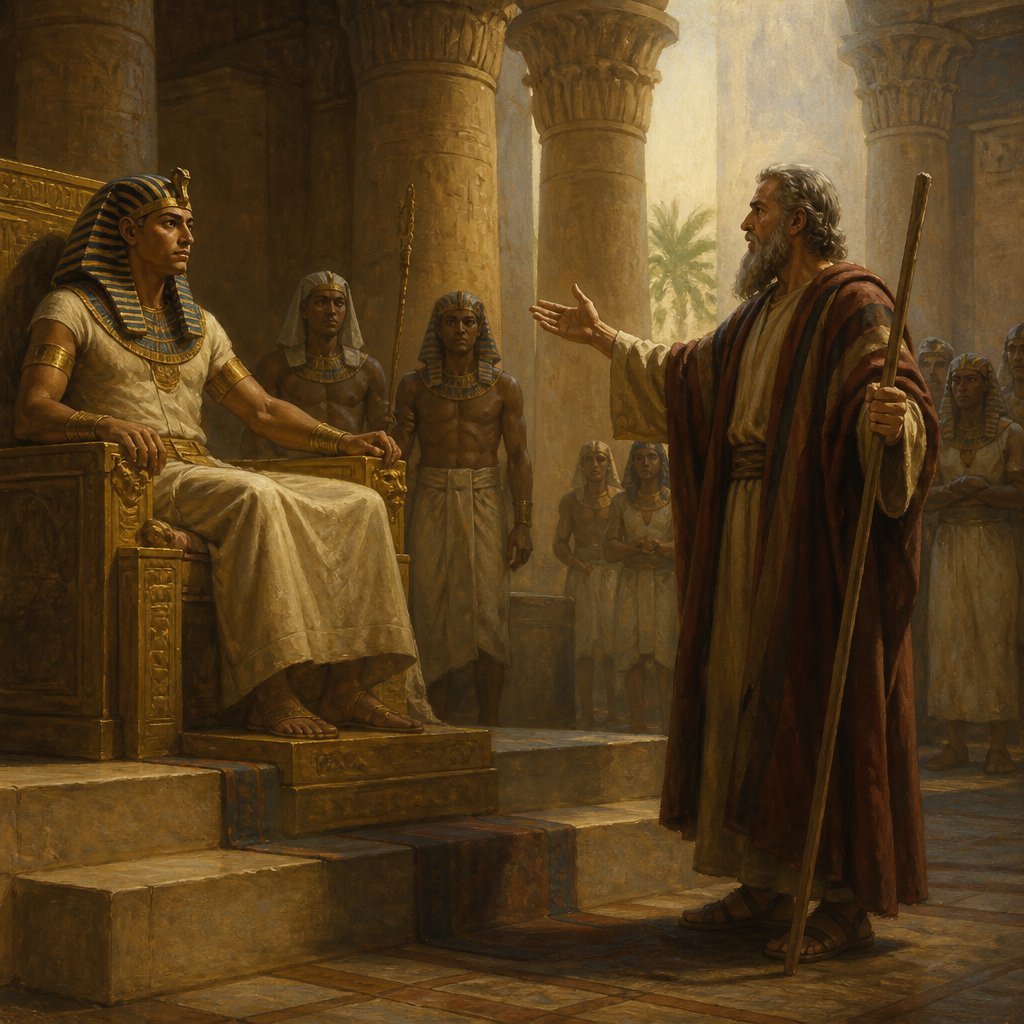
Exodus 9:1 in the King James Version of the Bible states, "Then the LORD said unto Moses, Go in unto Pharaoh, and tell him, Thus saith the LORD God of the Hebrews, Let my people go, that they may serve me."
This verse is part of the larger narrative of the ten plagues that God sends upon Egypt to secure the release of the Israelites from slavery. The context of Exodus 9:1 is a pivotal moment in the story, as God commands Moses to once again approach Pharaoh and demand the freedom of the Israelites. This verse reflects the ongoing struggle between God’s power and Pharaoh’s stubborn resistance, setting the stage for the seventh plague of hail that God will send upon Egypt.
The themes in this verse revolve around the concepts of obedience, liberation, and worship. Through Moses, God delivers an explicit command to Pharaoh to release the Israelites so that they may serve Him. This demonstrates God’s concern for the freedom and worship of His people, as well as His authority over the oppressive powers of the world. The theme of liberation is central to the narrative of the Exodus, as God actively works to free the Israelites from their bondage in Egypt and leads them towards the promised land. The theme of worship also emerges as God desires not only the physical liberation of His people, but also their devotion and service to Him.
The context of Exodus 9:1 is also significant in understanding its meaning. The Israelites have been enslaved in Egypt for generations, and their cries for liberation have reached the ears of God. In response, God sends Moses and Aaron to demand the release of His people from Pharaoh, who repeatedly rejects their pleas. This verse occurs at a critical moment in the story, as God prepares to send a devastating plague upon Egypt to further demonstrate His power and to compel Pharaoh to let the Israelites go.
Symbolism in Exodus 9:1 can be found in the contrasting figures of Pharaoh and God. Pharaoh represents the oppressive and prideful forces that seek to control and subjugate others. His refusal to release the Israelites reflects the arrogance and resistance of those who oppose God’s will. In contrast, God is depicted as the ultimate authority and deliverer, who demands justice for His people and demonstrates His power through miraculous signs and wonders. The image of the Israelites serving God also symbolizes their newfound freedom and the fulfillment of their purpose as His chosen people.
Exodus 9:1 also carries universal significance beyond its immediate context. It speaks to the enduring struggle for freedom and justice in the face of oppression and tyranny. The command to Pharaoh to "Let my people go" echoes throughout history as a call for the liberation of all who are held captive by unjust systems. This verse serves as a reminder of God’s compassion for the oppressed and His relentless pursuit of justice for His people.
In conclusion, Exodus 9:1 captures a pivotal moment in the biblical narrative of the Exodus, conveying themes of obedience, liberation, and worship. It highlights the ongoing struggle between God’s power and human resistance, and symbolizes the universal call for freedom and justice. Through its rich symbolism and timeless themes, this verse continues to inspire and challenge readers to seek justice, serve God, and strive for liberation in their own lives and communities.
Have questions about Exodus 9:1?
Dive deeper into this scripture with Bible Chat — an AI-powered tool for exploring God's Word through conversation. Ask questions, get context, and grow in your understanding of the Bible.
Get Our Apps


Exodus 9:1 Artwork

The Plague on Livestock - Exodus 9:1-7

The Plague on Livestock - Exodus 9:1-7

The Plague Death on Livestock - Exodus 9:1-7

The Plague Death on Livestock - Exodus 9:1-7

Exodus 9:1 - "Then the LORD said unto Moses, Go in unto Pharaoh, and tell him, Thus saith the LORD God of the Hebrews, Let my people go, that they may serve me."
"Then the LORD said unto Moses, Go in unto Pharaoh, and tell him, Thus saith the LORD God of the Hebrews, Let my people go, that they may serve me." - Exodus 9:1

Exodus 1:9 - "And he said unto his people, Behold, the people of the children of Israel are more and mightier than we:"

Exodus 40:9
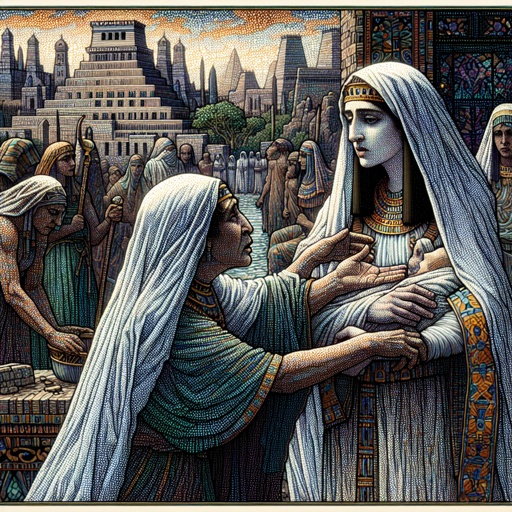
Exodus 2:9

Exodus 2:9

Exodus 24:9-11

Exodus 35:9 - "And onyx stones, and stones to be set for the ephod, and for the breastplate."

Exodus 9:31 - "And the flax and the barley was smitten: for the barley was in the ear, and the flax was bolled."

Exodus 9:32 - "But the wheat and the rie were not smitten: for they were not grown up."

The Plague of Boils - Exodus 9:8-12

The Plague of Boils - Exodus 9:8-12

The Plague of Boils - Exodus 9:8-12.

The Plague of Boils - Exodus 9:8-12

The Plague of Hail - Exodus 9:13-35

The Plague of Hail - Exodus 9:13-35

The Plague of Boils - Exodus 9:8-12

The Plague of Hail - Exodus 9:13-35

The Plague of Hail - Exodus 9:13-35

The Plague of Boils - Exodus 9:8-12

The Plague of Boils - Exodus 9:8-12

The Plague of Boils - Exodus 9:8-12

Exodus 9:26 - "Only in the land of Goshen, where the children of Israel were, was there no hail."
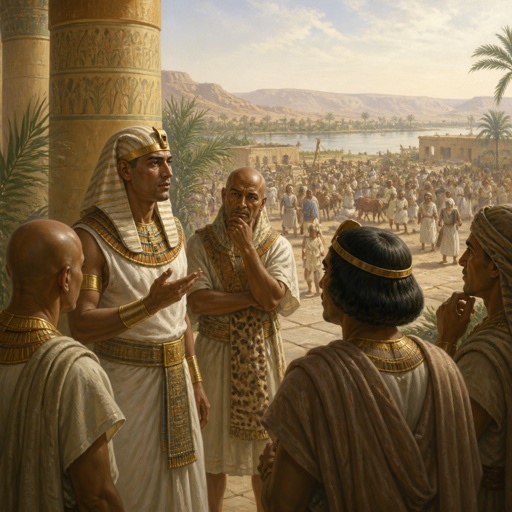
"And he said unto his people, Behold, the people of the children of Israel are more and mightier than we:" - Exodus 1:9

Exodus 24:9 - "¶ Then went up Moses, and Aaron, Nadab, and Abihu, and seventy of the elders of Israel:"

Exodus 31:9 - "And the altar of burnt offering with all his furniture, and the laver and his foot,"