What does Exodus 8:29 mean?
"And Moses said, Behold, I go out from thee, and I will intreat the LORD that the swarms of flies may depart from Pharaoh, from his servants, and from his people, to morrow: but let not Pharaoh deal deceitfully any more in not letting the people go to sacrifice to the LORD." - Exodus 8:29
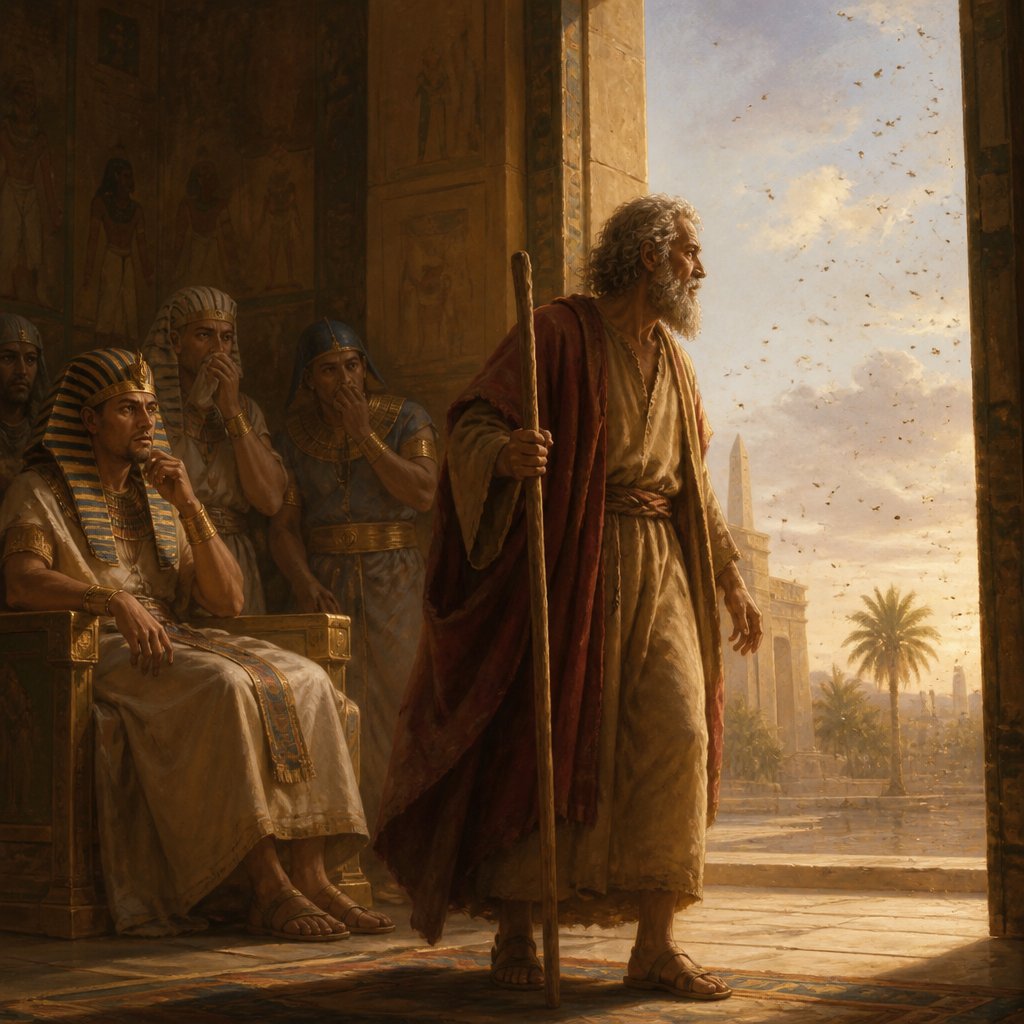
Exodus 8:29 in the King James Version of the Bible reads, "And Moses said, Behold, I go out from thee, and I will entreat the Lord that the swarms of flies may depart from Pharaoh, from his servants, and from his people, tomorrow: but let not Pharaoh deal deceitfully any more in not letting the people go to sacrifice to the Lord."
This verse comes from the Book of Exodus, which chronicles the story of the Israelites' exodus from Egypt, led by their prophet Moses. In this particular passage, Moses is speaking to Pharaoh, urging him to let the Israelites go so that they may worship and sacrifice to the Lord.
The context of this verse is important to understanding its significance. Prior to this exchange, God had sent nine plagues upon Egypt as a means of convincing Pharaoh to release the Israelites from their bondage. However, Pharaoh had repeatedly refused to let the Israelites go, prompting God to send the next plague - a swarm of flies. It is within this context that Moses speaks to Pharaoh in the verse, promising to beseech the Lord to remove the flies but also warning Pharaoh not to deal deceitfully any longer.
One of the key themes in this verse is the concept of divine punishment and redemption. The plagues in the book of Exodus serve as a demonstration of God's power and authority, as well as a means of punishing the Egyptians for their mistreatment of the Israelites. At the same time, these plagues also serve as a catalyst for the eventual release of the Israelites, demonstrating God's ability to bring about redemption and liberation for His people.
Another important theme in this verse is the idea of obedience to God's will. Throughout the book of Exodus, Pharaoh's refusal to heed Moses' warnings and release the Israelites is portrayed as an act of defiance against God. This verse exemplifies the importance of following God's commands and the consequences of resisting His will.
The symbolism in this verse is also significant. The swarm of flies can be seen as a metaphor for the plague and suffering that comes as a result of disobedience to God. It represents the consequences of rejecting God's authority and the need for repentance. Furthermore, the act of Moses interceding on behalf of Pharaoh and his people symbolizes the role of an intermediary between God and humanity, as well as the concept of seeking forgiveness and redemption.
In a broader theological context, this verse also speaks to the nature of God's mercy and His willingness to forgive. Despite Pharaoh's repeated defiance, Moses still offers him a chance to change his ways and avoid further punishment. This highlights the idea of God's patience and His desire for all people to turn to Him and seek reconciliation.
Overall, Exodus 8:29 is a powerful verse that encapsulates the themes of divine punishment, redemption, obedience to God's will, and the mercy of God. It serves as a reminder of the consequences of disobedience and the importance of seeking forgiveness and reconciliation with God. This verse continues to resonate with believers today, offering timeless lessons about the nature of God and the human experience.
Have questions about Exodus 8:29?
Dive deeper into this scripture with Bible Chat — an AI-powered tool for exploring God's Word through conversation. Ask questions, get context, and grow in your understanding of the Bible.
Get Our Apps


Exodus 8:29 Artwork

Exodus 8:29 - "And Moses said, Behold, I go out from thee, and I will intreat the LORD that the swarms of flies may depart from Pharaoh, from his servants, and from his people, to morrow: but let not Pharaoh deal deceitfully any more in not letting the people go to sacrifice to the LORD."
"And Moses said, Behold, I go out from thee, and I will intreat the LORD that the swarms of flies may depart from Pharaoh, from his servants, and from his people, to morrow: but let not Pharaoh deal deceitfully any more in not letting the people go to sacrifice to the LORD." - Exodus 8:29

Exodus 29:8 - "And thou shalt bring his sons, and put coats upon them."
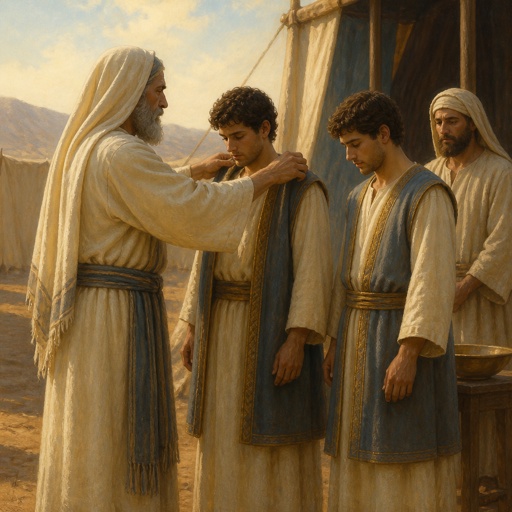
"And thou shalt bring his sons, and put coats upon them." - Exodus 29:8

Exodus 29:29 - "¶ And the holy garments of Aaron shall be his sons' after him, to be anointed therein, and to be consecrated in them."

Exodus 23:28-29

Exodus 13:17-14:29

Exodus 29:45 - "¶ And I will dwell among the children of Israel, and will be their God."

The Plague of Darkness - Exodus 10:21-29

The Plague of Darkness - Exodus 10:21-29

The Plague of Darkness - Exodus 10:21-29

The Plague of Darkness - Exodus 10:21-29

The Plague of Darkness - Exodus 10:21-29

The Plague of Darkness - Exodus 10:21-29

The Plague on the Firstborn - Exodus 12:29-38

The Plague of Darkness - Exodus 10:21-29

The Plague on the Firstborn - Exodus 12:29-38

The Plague of Darkness - Exodus 10:21-29

The Plague on the Firstborn - Exodus 12:29-38

The Plague of Darkness - Exodus 10:21-29

The Plague of Darkness - Exodus 10:21-29

Genesis 29-8

Romans 8:29

Exodus 38:29 - "And the brass of the offering was seventy talents, and two thousand and four hundred shekels."

Exodus 4:29 - "¶ And Moses and Aaron went and gathered together all the elders of the children of Israel:"

Exodus 29:11 - "And thou shalt kill the bullock before the LORD, by the door of the tabernacle of the congregation."

Exodus 29:43 - "And there I will meet with the children of Israel, and the tabernacle shall be sanctified by my glory."

The Plague of Darkness - Exodus 10:21-29. Dark

Exodus 29:31 - "¶ And thou shalt take the ram of the consecration, and seethe his flesh in the holy place."

2 KINGS 8:29