What does Exodus 7:19 mean?
"¶ And the LORD spake unto Moses, Say unto Aaron, Take thy rod, and stretch out thine hand upon the waters of Egypt, upon their streams, upon their rivers, and upon their ponds, and upon all their pools of water, that they may become blood; and that there may be blood throughout all the land of Egypt, both in vessels of wood, and in vessels of stone." - Exodus 7:19
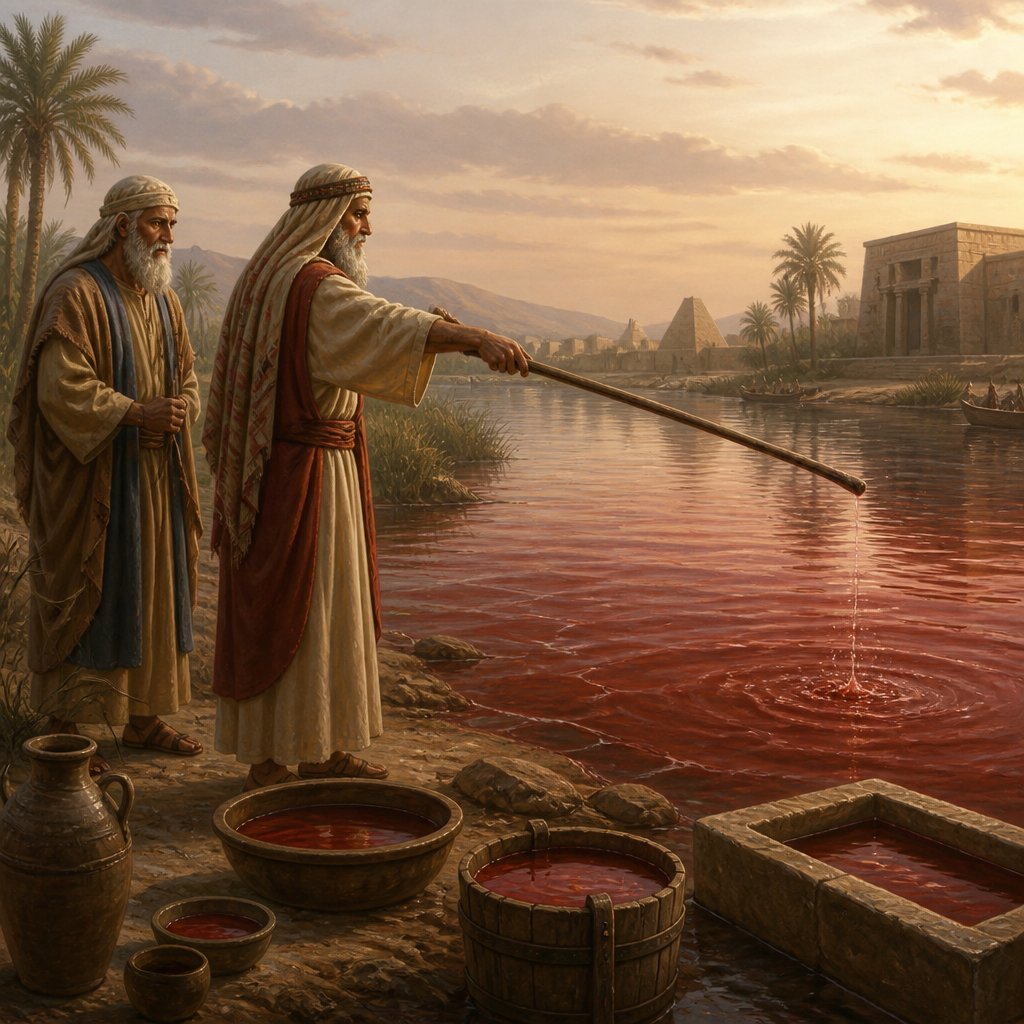
Exodus 7:19 (KJV) states, "And the Lord spake unto Moses, Say unto Aaron, Take thy rod, and stretch out thine hand upon the waters of Egypt, upon their streams, upon their rivers, and upon their ponds, and upon all their pools of water, that they may become blood; and that there may be blood throughout all the land of Egypt, both in vessels of wood, and in vessels of stone."
This verse is part of the narrative of the ten plagues sent by God on Egypt, as a means to demonstrate His power and authority to Pharaoh, and to ultimately secure the release of His people, the Israelites, from their slavery in Egypt.
The verse begins with the Lord speaking to Moses, instructing him to pass on a specific command to Aaron, his brother and spokesperson. Aaron is directed to take his rod and stretch out his hand over the waters of Egypt, including their streams, rivers, ponds, and pools, with the intent that they will all become blood. This miraculous event is meant to be a powerful display of God's judgment and sovereignty over the false gods of Egypt, and to convince Pharaoh to release the Israelites from bondage.
This verse echoes the broader themes of the Exodus narrative, which include divine intervention, liberation, and the fulfillment of God's promises. The plagues, culminating in the Passover, are a demonstration of God's power and righteousness, and a testament to His faithfulness to His covenant with the people of Israel.
The act of turning water into blood is symbolic in several ways. First, the turning of the water into blood is a direct attack on the false gods of Egypt. The Nile River, for example, was considered a deity by the Egyptians, and its turning into blood would have been a striking demonstration of the God of Israel's supremacy over the gods of Egypt.
Furthermore, water is often seen as a symbol of life and purification, having a significant role in Jewish rituals and practices. However, in this context, the waters of Egypt are transformed into a symbol of death and destruction, representing the devastation and judgment that come with God's righteous anger.
The use of Aaron's rod to bring about this plague also holds symbolic significance. The rod had already been used to perform miracles, such as turning into a serpent and initiating the first few plagues. Thus, it becomes a symbol of the authority and power granted to God's chosen leaders, demonstrating that God can work through His chosen servants to accomplish His purposes.
Additionally, the differentiation between vessels of wood and stone further emphasizes the inclusivity of the plague, signifying that no aspect of Egypt's infrastructure is exempt from God's judgment.
From a broader theological perspective, this verse points to the concept of divine judgment and the consequences of disobedience. Pharaoh's refusal to heed the warnings from Moses and Aaron, and his continued resistance to letting the Israelites go, ultimately leads to the suffering of his people and the devastating plagues brought upon Egypt.
In conclusion, Exodus 7:19 is a pivotal verse in the Exodus narrative, illustrating the power, authority, and judgment of God, as well as His faithfulness to His promises. This verse serves as a vivid demonstration of the sovereignty of God over the nations and the efficacy of His chosen instruments in accomplishing His will. It highlights the themes of divine intervention, liberation, and the fulfillment of God's covenant, while using symbolism to emphasize the significance of the plague of blood in the broader narrative of deliverance and redemption.
Have questions about Exodus 7:19?
Dive deeper into this scripture with Bible Chat — an AI-powered tool for exploring God's Word through conversation. Ask questions, get context, and grow in your understanding of the Bible.
Get Our Apps


Exodus 7:19 Artwork
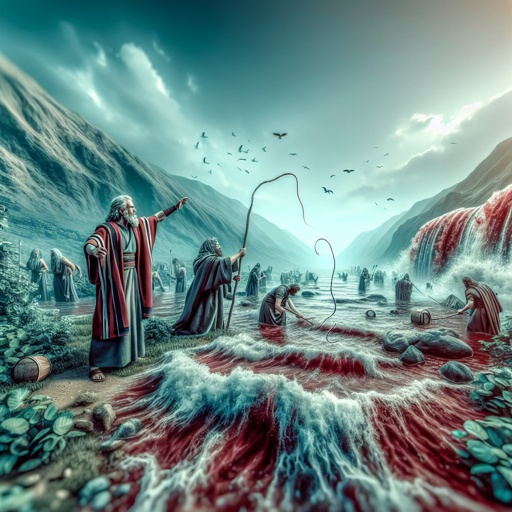
Exodus 7:19 - "¶ And the LORD spake unto Moses, Say unto Aaron, Take thy rod, and stretch out thine hand upon the waters of Egypt, upon their streams, upon their rivers, and upon their ponds, and upon all their pools of water, that they may become blood; and that there may be blood throughout all the land of Egypt, both in vessels of wood, and in vessels of stone."
"¶ And the LORD spake unto Moses, Say unto Aaron, Take thy rod, and stretch out thine hand upon the waters of Egypt, upon their streams, upon their rivers, and upon their ponds, and upon all their pools of water, that they may become blood; and that there may be blood throughout all the land of Egypt, both in vessels of wood, and in vessels of stone." - Exodus 7:19

Exodus 19:7 - "¶ And Moses came and called for the elders of the people, and laid before their faces all these words which the LORD commanded him."

Exodus 19

Exodus 2:19

Exodus 27:19-20

Exodus 12:1-19
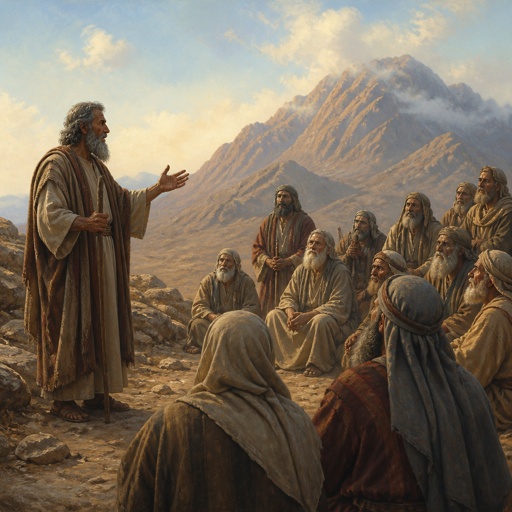
"¶ And Moses came and called for the elders of the people, and laid before their faces all these words which the LORD commanded him." - Exodus 19:7

Exodus 19:16-20

Exodus 27:19-21

Exodus 19:19 - "And when the voice of the trumpet sounded long, and waxed louder and louder, Moses spake, and God answered him by a voice."

Exodus 28:19 - "And the third row a ligure, an agate, and an amethyst."

Exodus 7:10

Exodus 7:10

Exodus 12:7

Exodus 12:7

Exodus 16:19 - "And Moses said, Let no man leave of it till the morning."

Exodus 22:19 - "¶ Whosoever lieth with a beast shall surely be put to death."

The Plague of Gnats - Exodus 8:16-19

Exodus 6:19 - "And the sons of Merari; Mahali and Mushi: these are the families of Levi according to their generations."

Exodus 30:19 - "For Aaron and his sons shall wash their hands and their feet thereat:"

Exodus 7:14-24

Romans 7:19

Genesis 19-7

Exodus 19:25 - "So Moses went down unto the people, and spake unto them."

Exodus 7:7 - "And Moses was fourscore years old, and Aaron fourscore and three years old, when they spake unto Pharaoh."

Exodus 3:19 - "¶ And I am sure that the king of Egypt will not let you go, no, not by a mighty hand."

Exodus 19:14 - "¶ And Moses went down from the mount unto the people, and sanctified the people; and they washed their clothes."

Exodus 19:15 - "And he said unto the people, Be ready against the third day: come not at your wives."

Exodus 25:7 - "Onyx stones, and stones to be set in the ephod, and in the breastplate."