What does Exodus 7:16 mean?
"And thou shalt say unto him, The LORD God of the Hebrews hath sent me unto thee, saying, Let my people go, that they may serve me in the wilderness: and, behold, hitherto thou wouldest not hear." - Exodus 7:16
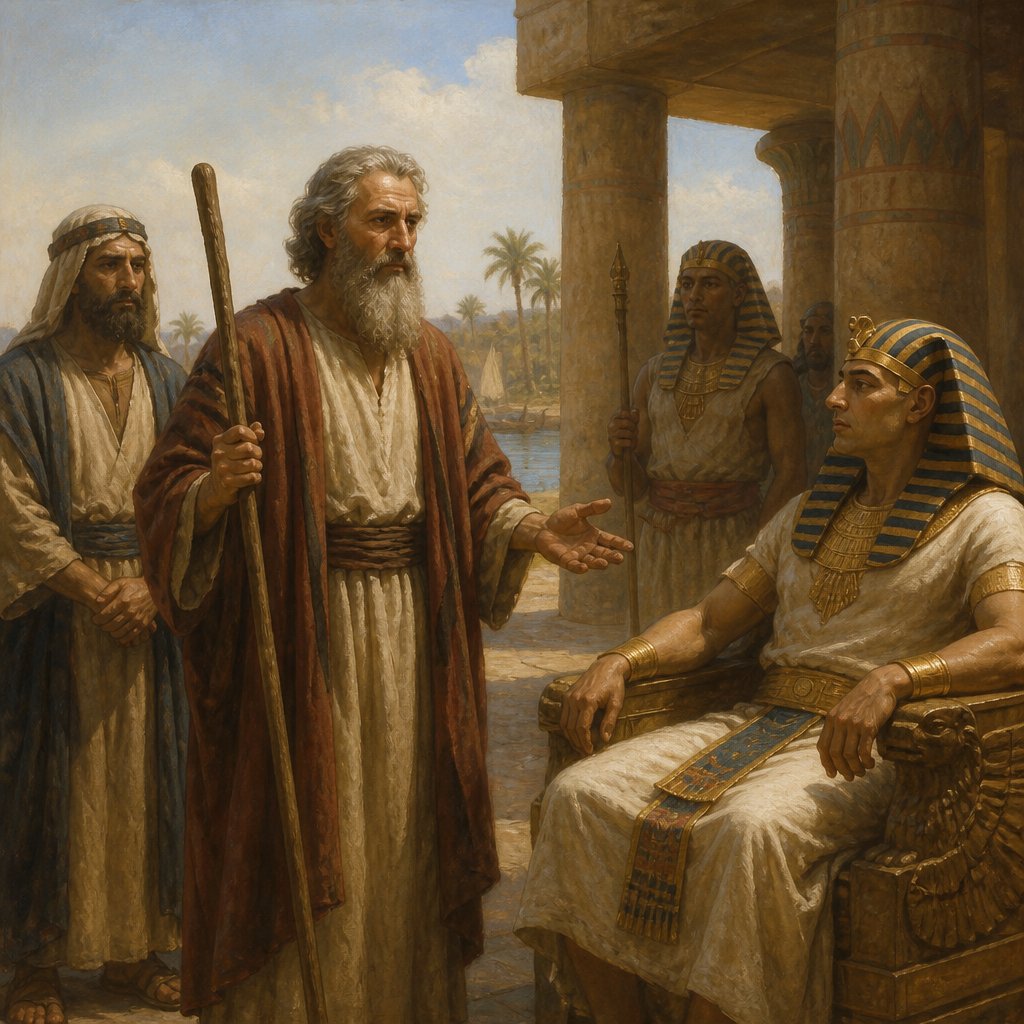
Exodus 7:16 (KJV) says, "And thou shalt say unto him, The Lord God of the Hebrews hath sent me unto thee, saying, Let my people go, that they may serve me in the wilderness: and, behold, hitherto thou wouldest not hear."
This verse is part of the narrative in the book of Exodus, which describes the events leading up to the Israelites' exodus from Egypt. In this particular passage, Moses is commanded to deliver a message to Pharaoh, the ruler of Egypt, on behalf of the Lord God of the Hebrews. The message is a demand for Pharaoh to release the Israelite slaves so that they may serve the Lord in the wilderness.
The verse carries several significant themes and messages, shedding light on the nature of God, the human condition, and the principles of freedom and justice. It also carries a message of hope and liberation for those who are oppressed.
One of the central themes in this verse is the concept of divine authority and the sovereignty of God. The passage is an assertion of God's power and command over the rulers and nations of the earth. By instructing Moses to deliver this message to Pharaoh, God is demonstrating His authority and His concern for the plight of the Israelite slaves. This theme is consistent throughout the book of Exodus, as God repeatedly reveals Himself as the supreme and sovereign ruler, working to fulfill His purposes in the world.
Another important theme in this verse is the idea of social justice and liberation. The demand for Pharaoh to let the Hebrew people go reflects God's concern for the oppressed and His desire for them to be free from bondage. This theme is in line with the broader biblical message of God's care for the marginalized and the downtrodden. The exodus story serves as a powerful symbol of liberation and the promise of a better future for those who are suffering under oppression and injustice.
The verse also highlights the human tendency to resist God's will and to hold onto power and control. Despite the clear message from God delivered by Moses, Pharaoh "wouldest not hear." This resistance to God's command represents a common theme throughout the Bible and human history, as people often choose to defy God's will and pursue their own self-interest or hold onto their own power and privilege. This theme serves as a cautionary reminder of the consequences of pride, stubbornness, and disobedience.
Symbolism plays a crucial role in this verse, particularly in the image of the wilderness. The wilderness is a potent symbol in the Bible, representing a place of testing, trial, and spiritual growth. The demand for the Israelites to serve God in the wilderness carries symbolic weight, signifying a journey of faith, purification, and preparation for the promised land. This image of the wilderness also foreshadows the Israelites' later experiences in the desert after their liberation from Egypt, as they wander and depend on God for sustenance and guidance.
In conclusion, Exodus 7:16 (KJV) is a verse rich in themes and meanings, encompassing divine authority, social justice, human resistance, and the symbol of the wilderness. The message delivered by Moses to Pharaoh reflects God's concern for the oppressed and His assertion of sovereignty over the rulers of the earth. The verse also carries important lessons about the human condition and the need to heed God's commands and seek justice for the marginalized. Ultimately, this verse is a powerful affirmation of God's care for His people and His commitment to their liberation.
Have questions about Exodus 7:16?
Dive deeper into this scripture with Bible Chat — an AI-powered tool for exploring God's Word through conversation. Ask questions, get context, and grow in your understanding of the Bible.
Get Our Apps


Exodus 7:16 Artwork

Exodus 7:16 - "And thou shalt say unto him, The LORD God of the Hebrews hath sent me unto thee, saying, Let my people go, that they may serve me in the wilderness: and, behold, hitherto thou wouldest not hear."
"And thou shalt say unto him, The LORD God of the Hebrews hath sent me unto thee, saying, Let my people go, that they may serve me in the wilderness: and, behold, hitherto thou wouldest not hear." - Exodus 7:16

Exodus 16:7 - "And in the morning, then ye shall see the glory of the LORD; for that he heareth your murmurings against the LORD: and what are we, that ye murmur against us?"

Exodus 16:7 And in the morning, then ye shall see the glory of the LORD; for that he heareth your murmurings against the LORD: and what are we, that ye murmur against us?

Exodus 24:16

Exodus 25:16

Exodus 25:16

Exodus 25:16

Exodus 19:16-20

Exodus 16:11 - "¶ And the LORD spake unto Moses, saying,"

Exodus 16:30 - "So the people rested on the seventh day."

Exodus 7:10

Exodus 7:10

Exodus 12:7

Exodus 12:7

Exodus 16:36 - "Now an omer is the tenth part of an ephah."
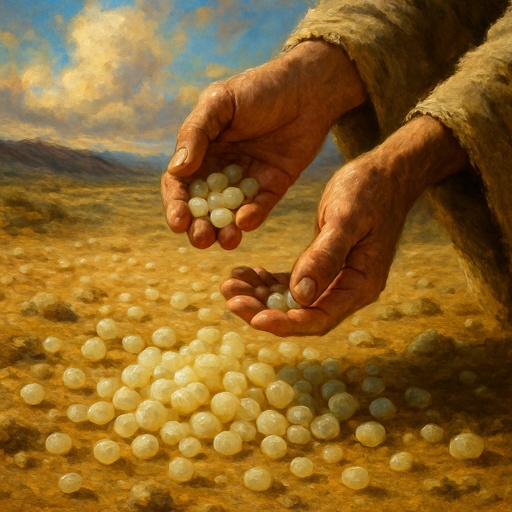
In Exodus 16, create the image of manna

Exodus 16:19 - "And Moses said, Let no man leave of it till the morning."

Exodus 7:14-24
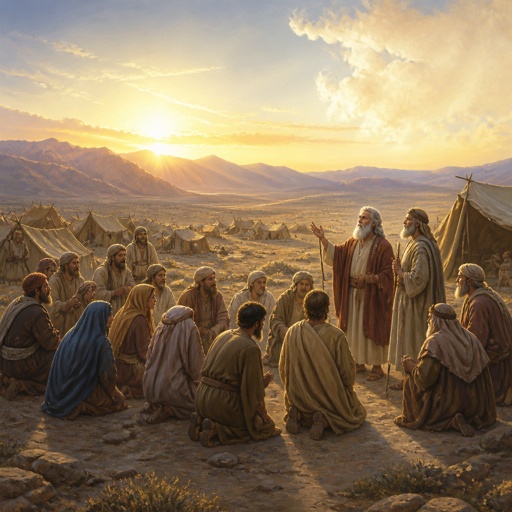
"And in the morning, then ye shall see the glory of the LORD; for that he heareth your murmurings against the LORD: and what are we, that ye murmur against us?" - Exodus 16:7

The Plague of Gnats - Exodus 8:16-19

Exodus 7:7 - "And Moses was fourscore years old, and Aaron fourscore and three years old, when they spake unto Pharaoh."

Exodus 20:16 - "Thou shalt not bear false witness against thy neighbour."

Exodus 36:16 - "And he coupled five curtains by themselves, and six curtains by themselves."

Genesis 16:7

Exodus 25:7 - "Onyx stones, and stones to be set in the ephod, and in the breastplate."

Exodus 16:17 - "And the children of Israel did so, and gathered, some more, some less."

Exodus 38:16 - "All the hangings of the court round about were of fine twined linen."

Exodus 16:2 - "And the whole congregation of the children of Israel murmured against Moses and Aaron in the wilderness:"

Exodus 25:16 - "And thou shalt put into the ark the testimony which I shall give thee."