What does Exodus 7:10 mean?
"¶ And Moses and Aaron went in unto Pharaoh, and they did so as the LORD had commanded: and Aaron cast down his rod before Pharaoh, and before his servants, and it became a serpent." - Exodus 7:10

Exodus 7:10 from the King James Version (KJV) of the Bible reads, "And Moses and Aaron went in unto Pharaoh, and they did so as the Lord had commanded: and Aaron cast down his rod before Pharaoh, and before his servants, and it became a serpent."
This verse is a part of the narrative in the book of Exodus, which tells the story of the Israelites' exodus from Egypt. At this point in the story, God has called Moses to lead the Israelites out of slavery in Egypt, and Moses, along with his brother Aaron, has been sent to confront Pharaoh and demand the release of the Israelite people.
In this particular verse, Moses and Aaron have been commanded by God to perform a miracle in front of Pharaoh, as a sign of God's power and authority. Aaron throws down his staff, and it is transformed into a serpent. This act is meant to demonstrate to Pharaoh that the God of the Israelites is more powerful than any of the gods of Egypt, and that he must listen to their demands to let the Israelites go.
One of the themes present in this verse is the theme of power and authority. The confrontation between Moses, Aaron, and Pharaoh represents a clash of power between the God of the Israelites and the ruler of Egypt. Through the miracle of the staff becoming a serpent, God proves his supremacy over the gods of Egypt and over Pharaoh himself. This theme of power and authority is a central theme throughout the book of Exodus, as it explores the struggle between God and the worldly powers that seek to oppress his people.
Additionally, this verse also illustrates the theme of obedience to God's commands. Moses and Aaron are obedient to the commands of God, and they follow through with his instructions despite the potential risks and challenges they may face. Their faith and obedience to God's will are key elements in their role as leaders of the Israelite people and in their mission to free their people from bondage.
The context of this verse is also important to consider. The Israelites had been enslaved in Egypt for generations, and God had heard their cries for deliverance. He chose Moses and Aaron to be his instruments of liberation, and this encounter with Pharaoh is a pivotal moment in God's plan to free the Israelites from bondage. The miraculous sign of the staff turning into a serpent is meant to be a catalyst for Pharaoh's eventual relenting and allowing the Israelites to leave Egypt.
Symbolism is also evident in this verse. The transformation of the staff into a serpent is a powerful symbol of God's authority and ability to perform miracles. In the ancient world, serpents were often associated with power and divine authority, and in this context, the serpent serves as a symbol of God's supremacy over the forces of Egypt. This act is not only a demonstration of power but also a symbol of the impending deliverance of the Israelites from slavery.
In conclusion, Exodus 7:10 is a significant verse within the larger narrative of the book of Exodus. It showcases themes of power and authority, obedience to God's commands, and the symbolism of miraculous signs. The encounter between Moses, Aaron, and Pharaoh is a key moment in the story of the Israelites' exodus from Egypt, and this verse serves as a powerful demonstration of God's sovereignty and his commitment to delivering his people from oppression.
Have questions about Exodus 7:10?
Dive deeper into this scripture with Bible Chat — an AI-powered tool for exploring God's Word through conversation. Ask questions, get context, and grow in your understanding of the Bible.
Get Our Apps


Exodus 7:10 Artwork

Exodus 7:10

Exodus 7:10

Exodus 7:10 The Lord’s power defeating pharaoh’s magicians.

Exodus 7:10 Aaron’s staff eating pharaoh’s serpents

Exodus 7:10 - "¶ And Moses and Aaron went in unto Pharaoh, and they did so as the LORD had commanded: and Aaron cast down his rod before Pharaoh, and before his servants, and it became a serpent."

Exodus 7:10-12 KJV (10) And Moses and Aaron went in unto Pharaoh, and they did so as the LORD had commanded: and Aaron cast down his rod before Pharaoh, and before his servants, and it became a serpent. (11) Then Pharaoh also called the wise men and the sorcerers: now the magicians of Egypt, they also did in like manner with their enchantments. (12) For they cast down every man his rod, and they became serpents: but Aaron's rod swallowed up their rods.

"¶ And Moses and Aaron went in unto Pharaoh, and they did so as the LORD had commanded: and Aaron cast down his rod before Pharaoh, and before his servants, and it became a serpent." - Exodus 7:10

Exodus Chapter 7 Verses 8-10

Exodus 10:7 - "And Pharaoh's servants said unto him, How long shall this man be a snare unto us? let the men go, that they may serve the LORD their God: knowest thou not yet that Egypt is destroyed?"

Exodus 10:12
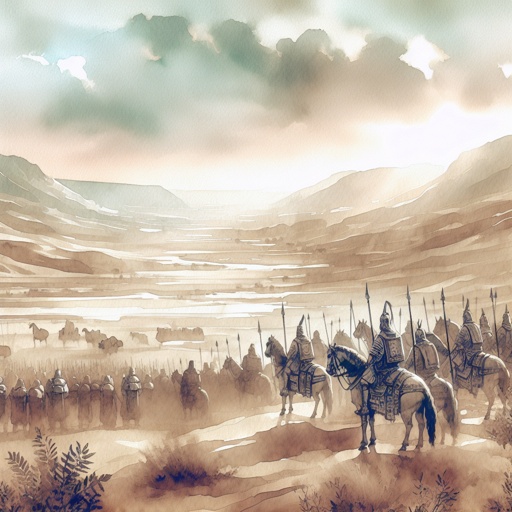
Exodus 17:10

Exodus 10:12

Exodus 10:12

Exodus 12:7

Exodus 12:7

Exodus 25:10-22

Exodus 7:14-24

Exodus 6:10 - "And the LORD spake unto Moses, saying,"

Exodus 7:7 - "And Moses was fourscore years old, and Aaron fourscore and three years old, when they spake unto Pharaoh."

Exodus 25:7 - "Onyx stones, and stones to be set in the ephod, and in the breastplate."

Exodus 10:18 - "And he went out from Pharaoh, and intreated the LORD."

The Plague of Locusts - Exodus 10:1-20

The Plague of Darkness - Exodus 10:21-29

The Plague of Locusts - Exodus 10:1-20

The Plague of Darkness - Exodus 10:21-29

The Plague of Darkness - Exodus 10:21-29

The Plague of Darkness - Exodus 10:21-29

The Plague of Darkness - Exodus 10:21-29

The Plague of Darkness - Exodus 10:21-29

The Plague of Locusts - Exodus 10:1-20