What does Exodus 6:7 mean?
"And I will take you to me for a people, and I will be to you a God: and ye shall know that I am the LORD your God, which bringeth you out from under the burdens of the Egyptians." - Exodus 6:7
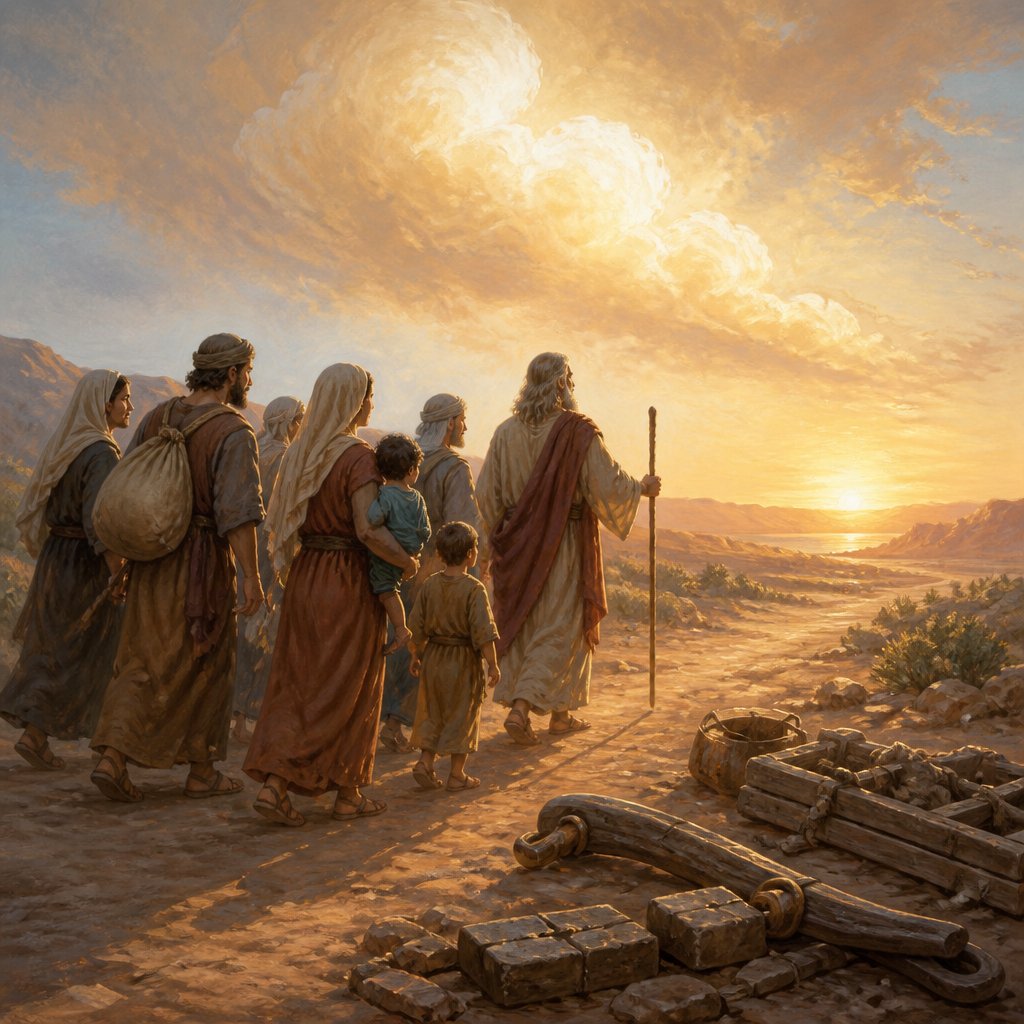
Exodus 6:7 (KJV) says, "And I will take you to me for a people, and I will be to you a God: and ye shall know that I am the Lord your God, which bringeth you out from under the burdens of the Egyptians."
This verse is a key moment in the story of the Israelites' journey from slavery in Egypt to freedom in the promised land. It comes at a time when the Israelites are suffering under the harsh oppression of Pharaoh and are crying out to God for deliverance.
The verse begins with God declaring his intention to take the Israelites to himself as his own chosen people. This is a powerful statement of God's love and care for his people. It's a reminder that God has a special relationship with the Israelites, and that he has not forgotten them in their time of need. This theme of God's faithfulness and his commitment to his people runs throughout the entire Bible, and this verse is a powerful expression of that.
The verse then goes on to say that God will be to the Israelites a God. This is a significant statement, as it reinforces the idea that God is not just a distant, abstract figure, but a God who is intimately involved in the lives of his people. He is a God who is present with them, who cares for them, and who is actively working on their behalf. This is a theme that is echoed throughout the Bible, and it's a powerful reminder of God's love and care for his people.
The verse continues with the promise that the Israelites will come to know that God is the Lord their God, who has brought them out from under the burdens of the Egyptians. This is a key theme in the story of the Exodus – the idea that God is a God who delivers his people from bondage and sets them free. This verse is a powerful declaration of that truth, and a reminder that God is a God who is able to save and to deliver.
The context of this verse is crucial to understanding its full meaning. The Israelites had been enslaved in Egypt for generations, and their suffering had become intolerable. They cried out to God for deliverance, and this verse is part of God's response to their cries. It's a message of hope and promise in the midst of their despair, and a reminder that God has not forgotten them. It's a powerful statement of God's intention to rescue his people from their bondage and to bring them to a place of freedom and fulfillment.
The symbolism in this verse is also rich and powerful. The idea of God taking the Israelites to himself as a people is a symbol of God's desire for a close, personal relationship with his people. It's a reminder that God is not content to leave his people in their suffering, but that he wants to bring them into a deeper, more intimate relationship with himself. The image of God being a God to the Israelites is a symbol of his care and provision for them, and his commitment to their well-being. And the imagery of God bringing the Israelites out from under the burdens of the Egyptians is a powerful symbol of liberation and freedom.
In conclusion, Exodus 6:7 is a verse that is full of rich and profound meaning. It's a powerful declaration of God's love and care for his people, and a reminder of his faithfulness and his commitment to deliver them from bondage. It's a message of hope and promise in the midst of suffering, and a powerful symbol of God's desire for a close, personal relationship with his people. This verse is a key moment in the story of the Exodus, and it's a powerful expression of the central themes of the Bible – God's love, his faithfulness, and his power to save and to deliver.
Have questions about Exodus 6:7?
Dive deeper into this scripture with Bible Chat — an AI-powered tool for exploring God's Word through conversation. Ask questions, get context, and grow in your understanding of the Bible.
Get Our Apps


Exodus 6:7 Artwork

Exodus 6:7 - "And I will take you to me for a people, and I will be to you a God: and ye shall know that I am the LORD your God, which bringeth you out from under the burdens of the Egyptians."
"And I will take you to me for a people, and I will be to you a God: and ye shall know that I am the LORD your God, which bringeth you out from under the burdens of the Egyptians." - Exodus 6:7

Exodus 7:6 - "And Moses and Aaron did as the LORD commanded them, so did they."
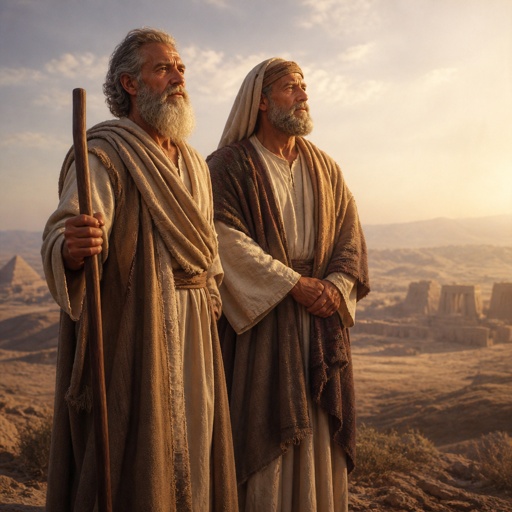
"And Moses and Aaron did as the LORD commanded them, so did they." - Exodus 7:6
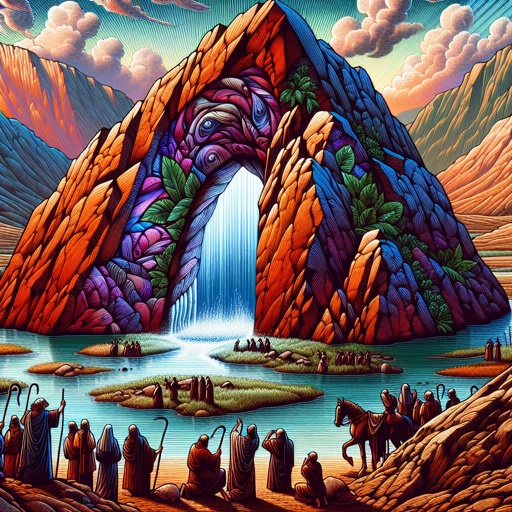
Exodus 17:6

Exodus 17:6

Exodus 17:6

Exodus 7:10

Exodus 7:10

Exodus 17:6

Exodus 12:7

Exodus 12:7

Exodus 7:14-24

Exodus 7:7 - "And Moses was fourscore years old, and Aaron fourscore and three years old, when they spake unto Pharaoh."

Exodus 6:21 - "¶ And the sons of Izhar; Korah, and Nepheg, and Zichri."

Exodus 6:22 - "And the sons of Uzziel; Mishael, and Elzaphan, and Zithri."

Exodus 6:10 - "And the LORD spake unto Moses, saying,"

Exodus 25:7 - "Onyx stones, and stones to be set in the ephod, and in the breastplate."

Exodus 6:17 - "The sons of Gershon; Libni, and Shimi, according to their families."

Exodus 35:6 - "And blue, and purple, and scarlet, and fine linen, and goats' hair,"

Exodus 25:6 - "Oil for the light, spices for anointing oil, and for sweet incense,"

Exodus 1:6 - "And Joseph died, and all his brethren, and all that generation."

Exodus 6:24 - "And the sons of Korah; Assir, and Elkanah, and Abiasaph: these are the families of the Korhites."

Exodus 33:6 - "And the children of Israel stripped themselves of their ornaments by the mount Horeb."

Exodus 7:8 - "¶ And the LORD spake unto Moses and unto Aaron, saying,"

The Plague of Blood - Exodus 7:14-24

Exodus 38:6 - "And he made the staves of shittim wood, and overlaid them with brass."

Exodus 23:6 - "Thou shalt not wrest the judgment of thy poor in his cause."

The Plague on Livestock - Exodus 9:1-7

Exodus Chapter 7 Verses 8-10