What does Exodus 6:22 mean?
"And the sons of Uzziel; Mishael, and Elzaphan, and Zithri." - Exodus 6:22
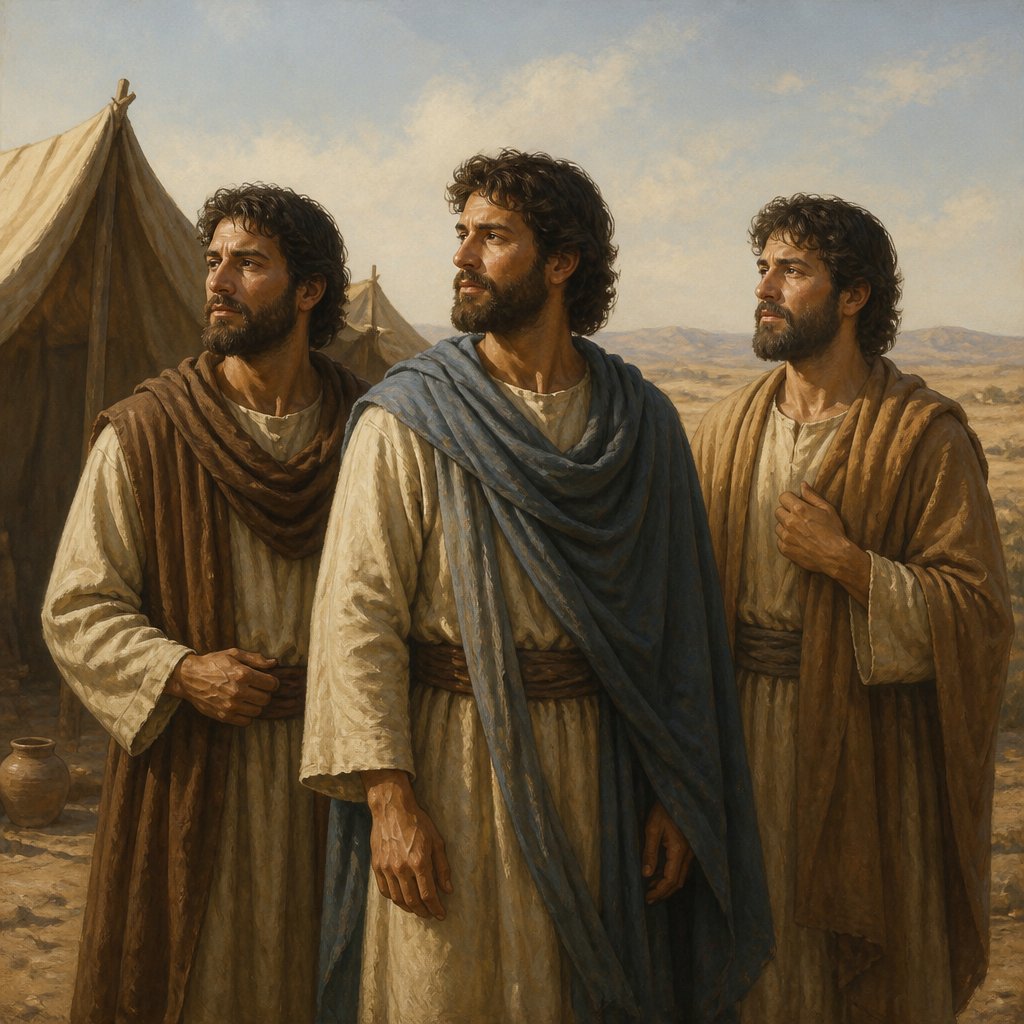
Exodus 6:22 in the King James Version of the Bible reads: "And the sons of Uzziel; Mishael, and Elzaphan, and Zithri."
At first glance, this verse may appear to be a simple genealogy, listing the sons of Uzziel. However, in the context of the book of Exodus and the broader narrative of the Bible, this verse carries deeper meanings and themes.
The book of Exodus recounts the story of the Israelites' exodus from Egypt, led by Moses, and their journey to the Promised Land. It is a story of deliverance, redemption, and the establishment of a covenant between God and His chosen people. Within this larger narrative, genealogies like the one in Exodus 6:22 serve several purposes.
Firstly, genealogies were important for establishing lines of descent and inheritance. In ancient Israelite society, family lineage was crucial for determining one's identity, social status, and rights to land and property. As such, the mention of Uzziel's sons served to document their place within the community and their role in the unfolding story of the Israelites.
Furthermore, genealogies were also a way of preserving historical and cultural memory. By recording the names of Uzziel's sons, the biblical authors were ensuring that their contributions to the Israelite community were remembered for generations to come. This theme of memory and remembrance is central to the book of Exodus, as God repeatedly instructs the Israelites to remember His faithfulness and the deliverance from slavery in Egypt.
From a theological perspective, the verse in question also reflects the overarching theme of God's faithfulness and His covenant with His people. Throughout the book of Exodus, God demonstrates His commitment to the Israelites by fulfilling His promises, even in the face of adversity and their own faithlessness. The mention of Uzziel's sons within this context serves as a reminder of God's faithfulness to the entire nation of Israel, including the lesser-known individuals and families.
Symbolically, the names of Uzziel's sons may also carry deeper meaning. In the Bible, names often have significant spiritual or symbolic connotations. For example, the name Mishael means "who is like God," while Elzaphan means "God has concealed" and Zithri may signify "protection." These names may serve as reminders of God's attributes and His role in the lives of His people. They also serve as a reminder of the importance of recognizing and honoring the individual contributions of each member of the community.
In conclusion, while Exodus 6:22 may seem like a simple list of names, it holds within it deeper themes of identity, remembrance, and the faithfulness of God. Furthermore, it underscores the importance of recognizing the significance of every individual within the community and acknowledging their role in the larger narrative of God's redemptive work. As such, this verse is a reminder of the timeless truths and themes that resonate throughout the biblical narrative and continue to hold relevance for believers today.
Have questions about Exodus 6:22?
Dive deeper into this scripture with Bible Chat — an AI-powered tool for exploring God's Word through conversation. Ask questions, get context, and grow in your understanding of the Bible.
Get Our Apps


Exodus 6:22 Artwork

Exodus 6:22 - "And the sons of Uzziel; Mishael, and Elzaphan, and Zithri."
"And the sons of Uzziel; Mishael, and Elzaphan, and Zithri." - Exodus 6:22

Exodus 22:6 - "¶ If fire break out, and catch in thorns, so that the stacks of corn, or the standing corn, or the field, be consumed therewith; he that kindled the fire shall surely make restitution."

Exodus 22:22 - "¶ Ye shall not afflict any widow, or fatherless child."

Exodus 15:22

Exodus 22:28

Exodus 22:28

Exodus 22:28

Exodus 22:28

Exodus 22:28

Exodus 22:28

Exodus 22:28

Exodus 22:5

Exodus 22:28

Exodus 22:28

Exodus 22:28

Exodus 22:28

Exodus 22:28

Exodus 22:5

Exodus 22:28

Exodus 22:28

Exodus 22:5

Exodus 25:10-22

Exodus 22:18 - "¶ Thou shalt not suffer a witch to live."

Exodus 30:22 - "¶ Moreover the LORD spake unto Moses, saying,"

Exodus 22:19 - "¶ Whosoever lieth with a beast shall surely be put to death."
Exodus 17:6

Exodus 17:6

Exodus 17:6

"¶ Ye shall not afflict any widow, or fatherless child." - Exodus 22:22