What does Exodus 5:3 mean?
"And they said, The God of the Hebrews hath met with us: let us go, we pray thee, three days' journey into the desert, and sacrifice unto the LORD our God; lest he fall upon us with pestilence, or with the sword." - Exodus 5:3
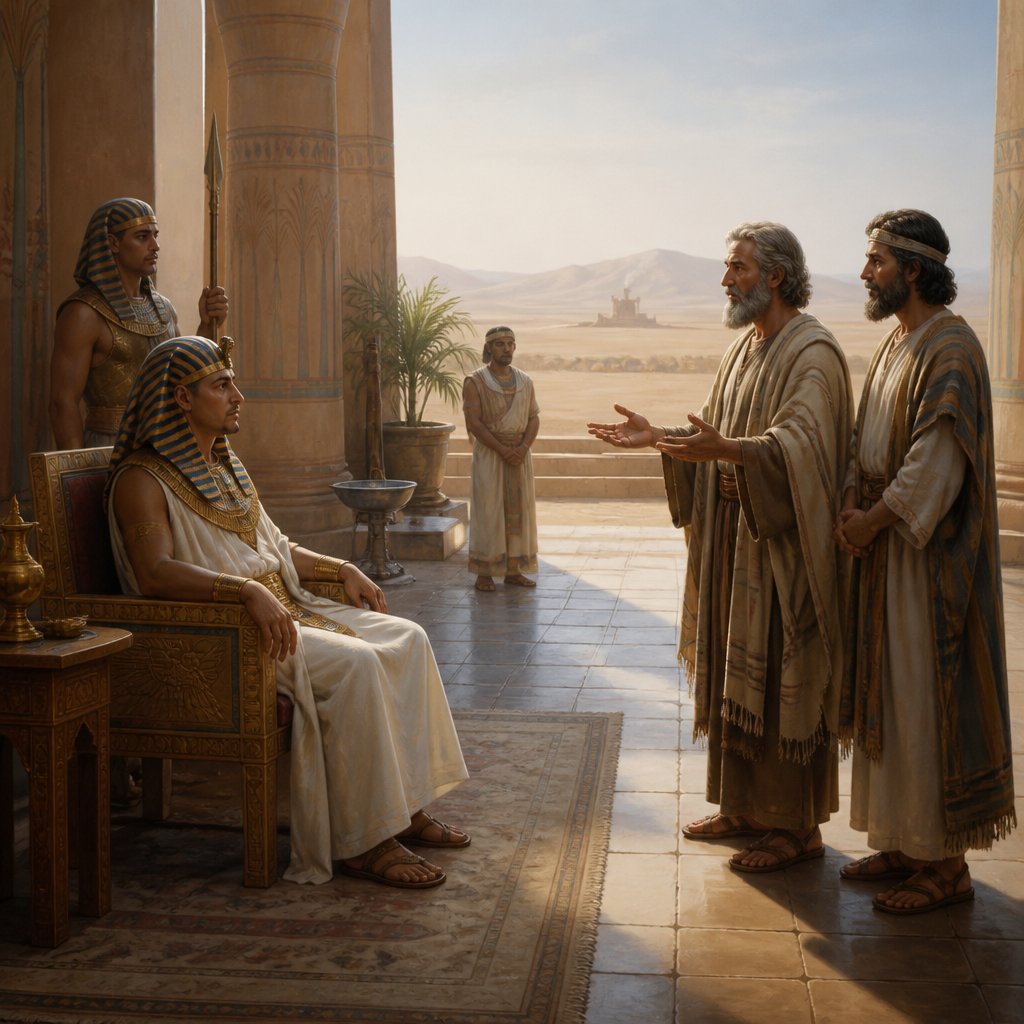
Exodus 5:3 in the King James Version of the Bible states, "And they said, The God of the Hebrews hath met with us: let us go, we pray thee, three days' journey into the desert, and sacrifice unto the Lord our God; lest he fall upon us with pestilence, or with the sword."
This verse is a part of the story of the Israelites' exodus from Egypt, which is a central narrative in the Bible and a foundational story for the Jewish and Christian faiths. In this particular verse, Moses and Aaron have just approached the Pharaoh of Egypt to make a specific request on behalf of the Israelite people. This verse serves as a key moment in the lead-up to the events that will eventually lead to the Israelites' freedom from slavery.
One of the key themes in this verse is the concept of divine intervention. The Israelites, through the words of Moses and Aaron, are attributing their request to the will of their God, the God of the Hebrews. This attribution is significant because it acknowledges that their cause is not simply a human one, but one that is guided and supported by their deity. This adds a layer of significance to their request, as they are not simply asking for freedom from their oppressors, but also for the opportunity to honor and worship their God in the way that they believe is necessary.
Another important theme in this verse is the tension between obedience and rebellion. The Israelites are essentially asking the Pharaoh for permission to leave Egypt for a few days in order to worship their God. Their request is not unreasonable, and yet it is met with resistance by the Pharaoh, who sees the Israelites as his slaves and is not willing to let them go. This sets the stage for the series of plagues that will ultimately lead to the Israelites' exodus from Egypt. The clash between the will of the Israelites and the will of the Pharaoh serves as a symbolic representation of the struggle between good and evil, and the eventual triumph of faith and righteousness over oppression and tyranny.
The context of this verse is important to understand its full significance. The Israelites have been living in Egypt for generations, first as honored guests of the Pharaoh, and then as slaves. Their situation has become increasingly dire, and they are now calling upon their God to deliver them from their suffering. This verse marks the beginning of the confrontation between Moses, representing the Israelites, and the Pharaoh, representing the oppressive forces that hold them captive. It is a pivotal moment in the larger narrative of the Israelites' exodus, as it sets the stage for the events that will ultimately lead to their liberation.
This verse also contains symbolism that is rich with meaning. The request for a three days' journey into the desert to sacrifice unto the Lord their God can be seen as a foreshadowing of the Israelites' journey to the Promised Land. The desert, in biblical symbolism, often represents a place of testing and purification, and the Israelites' journey through the desert will be a period of trial and tribulation before they reach the land that has been promised to them. The act of sacrifice is also significant, as it represents the Israelites' willingness to offer something of value to their God, and foreshadows the sacrifices that will be made in the wilderness and in the temple once they reach the Promised Land. This verse, therefore, serves as a microcosm of the larger story of the Israelites' journey from slavery to freedom, and the trials and tests they will face along the way.
In conclusion, Exodus 5:3 is a crucial verse in the narrative of the Israelites' exodus from Egypt, and it is rich with themes, context, and symbolism that are central to the larger story of the Bible. It represents the Israelites' appeal to their God for deliverance, their confrontation with the Pharaoh, and the beginning of their journey to freedom. It is a powerful example of the biblical themes of divine intervention, obedience, rebellion, and sacrifice, and it sets the stage for the dramatic events that will follow. As such, it is a verse that holds deep significance for believers and non-believers alike, and continues to be a source of inspiration and spiritual guidance for millions of people around the world.
Have questions about Exodus 5:3?
Dive deeper into this scripture with Bible Chat — an AI-powered tool for exploring God's Word through conversation. Ask questions, get context, and grow in your understanding of the Bible.
Get Our Apps


Exodus 5:3 Artwork

Exodus 5:3 - "And they said, The God of the Hebrews hath met with us: let us go, we pray thee, three days' journey into the desert, and sacrifice unto the LORD our God; lest he fall upon us with pestilence, or with the sword."
"And they said, The God of the Hebrews hath met with us: let us go, we pray thee, three days' journey into the desert, and sacrifice unto the LORD our God; lest he fall upon us with pestilence, or with the sword." - Exodus 5:3

Exodus 3:5 - "And he said, Draw not nigh hither: put off thy shoes from off thy feet, for the place whereon thou standest is holy ground."

exodus 3

Exodus 31:3-5 - "And I have filled him with the Spirit of God, with wisdom, with understanding, with knowledge and with all kinds of skills— to make artistic designs for work in gold, silver and bronze, to cut and set stones, to work in wood, and to engage in all kinds of crafts."

Exodus 15:5

Exodus 22:5

Exodus 22:5

Exodus 22:5

Exodus 17:3

Exodus 3:12

Exodus 3:12

Exodus 3:12

Exodus 3:12

Exodus 3:12
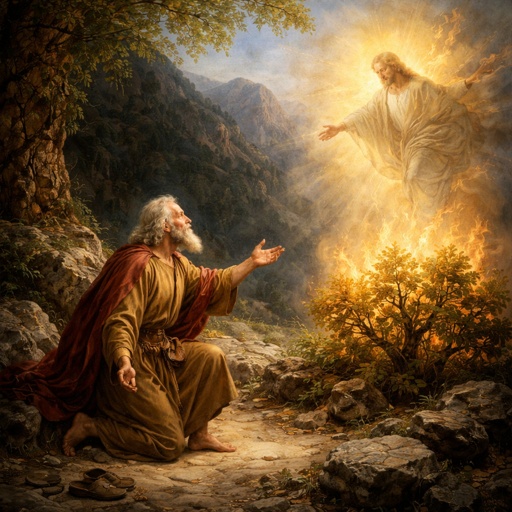
exodus 3:11

Exodus 3:14

exodus 3:14

Exodus 3:14

Exodus 3:14

Exodus 3:14

Exodus 17:3

Exodus 3:12

Exodus 3:12

Exodus 4:1-5

Exodus 5:5 - "And Pharaoh said, Behold, the people of the land now are many, and ye make them rest from their burdens."

Exodus 1:3 - "Issachar, Zebulun, and Benjamin,"

exodus 27:3 forks

Exodus 3:3 - "And Moses said, I will now turn aside, and see this great sight, why the bush is not burnt."

Exodus 15:5 - "The depths have covered them: they sank into the bottom as a stone."