What does Exodus 5:2 mean?
"And Pharaoh said, Who is the LORD, that I should obey his voice to let Israel go? I know not the LORD, neither will I let Israel go." - Exodus 5:2
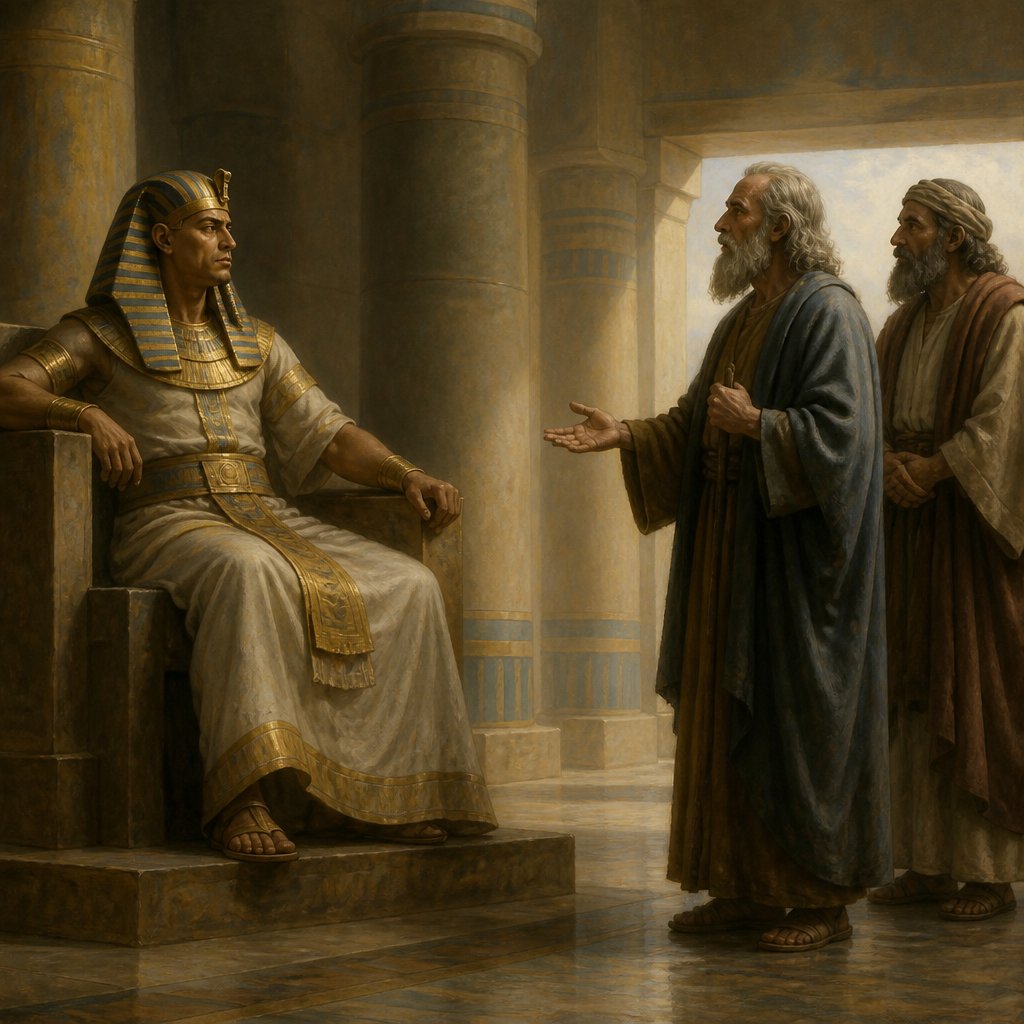
Exodus 5:2 in the King James Version of the Bible reads: "And Pharaoh said, Who is the Lord, that I should obey his voice to let Israel go? I know not the Lord, neither will I let Israel go."
This verse comes from the story of the Hebrew people's enslavement in Egypt and their eventual exodus from bondage. It is part of the narratives surrounding Moses' confrontation with Pharaoh to demand the release of the Israelites.
The immediate context of this verse takes place after Moses and his brother Aaron have approached Pharaoh with a request from God to let the Israelite people go into the wilderness to worship Him. Pharaoh responds by asking, "Who is the Lord, that I should obey his voice to let Israel go?" In this statement, Pharaoh is openly defying the authority and power of God. He not only rejects the request to release the Israelites but also denies the existence and importance of the Lord.
One of the important themes in this verse is the contrast between human arrogance and divine authority. Pharaoh's refusal to acknowledge the Lord as the ultimate authority reflects his pride and self-reliance. His question "Who is the Lord" reveals his ignorance and rejection of God's sovereignty. This theme of pride and rebellion against God's authority is central to the broader narrative of the Book of Exodus, as the conflict between the Egyptian ruler and the God of Israel unfolds.
The verse also speaks to the broader theme of obedience and disobedience to God. Pharaoh not only questions the authority of God but also declares, "neither will I let Israel go." His stubborn refusal to submit to God's will highlights the consequences of disobedience and the hardness of the human heart. This theme sets the stage for the miraculous displays of God's power and judgment that follow in the subsequent plagues sent upon Egypt.
In addition to the thematic significance, Exodus 5:2 carries symbolic and theological meaning. Pharaoh's question, "Who is the Lord," acts as a rhetorical challenge to the biblical audience. It prompts readers to contemplate and affirm the identity and attributes of the Lord as revealed in the Hebrew Scriptures. The verse emphasizes the importance of recognizing and submitting to God's authority in contrast to the futile resistance of human pride.
Furthermore, Exodus 5:2 serves as a foreshadowing of the broader narrative of redemption and deliverance in the Bible. The Israelites' liberation from Egyptian bondage, which begins with their confrontation with Pharaoh, becomes a paradigm for God's ultimate deliverance of His people from the power of sin and death. The rejection of God's authority by Pharaoh sets the stage for the unfolding drama of God's redemptive plan for His people, culminating in their escape from Egypt and their journey to the Promised Land.
In conclusion, Exodus 5:2 carries rich thematic, symbolic, and theological significance. It challenges readers to consider the consequences of human pride and disobedience in the face of God's authority. It also underscores the broader narrative of redemption and deliverance found throughout the Bible. Ultimately, this verse prompts us to reflect on our own response to God's authority and to consider the implications of recognizing or rejecting the sovereignty of the Lord in our lives.
Have questions about Exodus 5:2?
Dive deeper into this scripture with Bible Chat — an AI-powered tool for exploring God's Word through conversation. Ask questions, get context, and grow in your understanding of the Bible.
Get Our Apps


Exodus 5:2 Artwork

Exodus 5:2 - "And Pharaoh said, Who is the LORD, that I should obey his voice to let Israel go? I know not the LORD, neither will I let Israel go."
"And Pharaoh said, Who is the LORD, that I should obey his voice to let Israel go? I know not the LORD, neither will I let Israel go." - Exodus 5:2

Exodus 2:5 Pharaoh's daughter walking down to the river with maids with river, reeds and basket in the picture

Exodus 15:5

Exodus 22:5

Exodus 22:5

Exodus 22:5
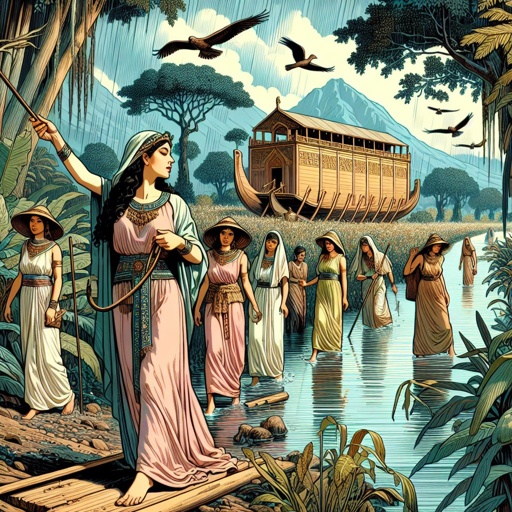
Exodus 2:5 - "¶ And the daughter of Pharaoh came down to wash herself at the river; and her maidens walked along by the river's side; and when she saw the ark among the flags, she sent her maid to fetch it."

Exodus 4:1-5

Exodus 5:5 - "And Pharaoh said, Behold, the people of the land now are many, and ye make them rest from their burdens."

Exodus 15:5 - "The depths have covered them: they sank into the bottom as a stone."

Exodus 34:5 - "And the LORD descended in the cloud, and stood with him there, and proclaimed the name of the LORD."

Exodus 37:5 - "And he put the staves into the rings by the sides of the ark, to bear the ark."

Exodus 28:5 - "And they shall take gold, and blue, and purple, and scarlet, and fine linen."

Exodus 5:6 - "And Pharaoh commanded the same day the taskmasters of the people, and their officers, saying,"

Exodus 25:5 - "And rams' skins dyed red, and badgers' skins, and shittim wood,"

Exodus 30:5 - "And thou shalt make the staves of shittim wood, and overlay them with gold."

Exodus 31:5 - "And in cutting of stones, to set them, and in carving of timber, to work in all manner of workmanship."

Exodus 38:5 - "And he cast four rings for the four ends of the grate of brass, to be places for the staves."

Exodus 5:20 - "¶ And they met Moses and Aaron, who stood in the way, as they came forth from Pharaoh:"

Exodus 9:5 - "And the LORD appointed a set time, saying, To morrow the LORD shall do this thing in the land."

Exodus 20:2
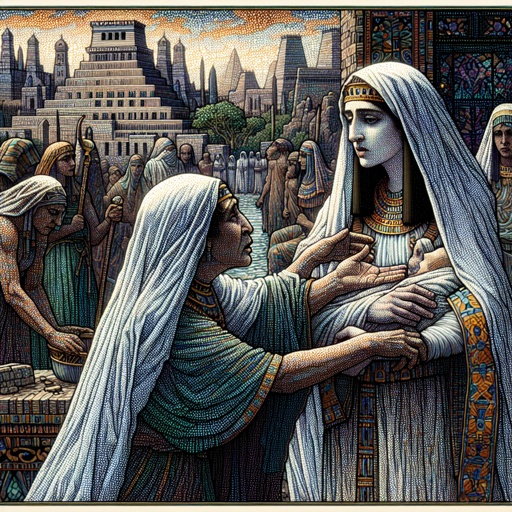
Exodus 2:9

Exodus 2:19

Exodus 2:9

Exodus 1:5 - "And all the souls that came out of the loins of Jacob were seventy souls: for Joseph was in Egypt already."

Exodus 27:5 - "And thou shalt put it under the compass of the altar beneath, that the net may be even to the midst of the altar."

Exodus 5:13 - "And the taskmasters hasted them, saying, Fulfil your works, your daily tasks, as when there was straw."
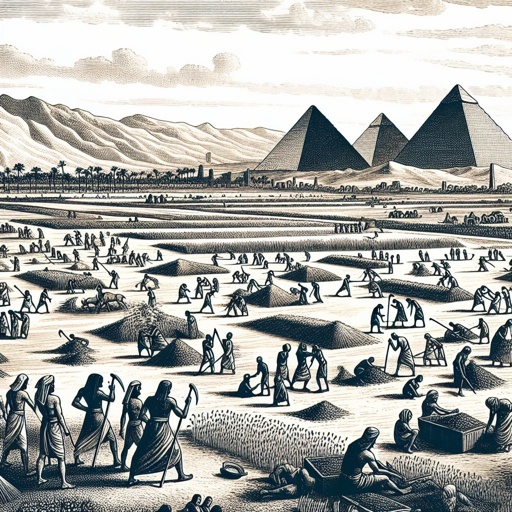
Exodus 5:12 - "So the people were scattered abroad throughout all the land of Egypt to gather stubble instead of straw."

Exodus 40:5 - "And thou shalt set the altar of gold for the incense before the ark of the testimony, and put the hanging of the door to the tabernacle."