What does Exodus 4:3 mean?
"And he said, Cast it on the ground. And he cast it on the ground, and it became a serpent; and Moses fled from before it." - Exodus 4:3
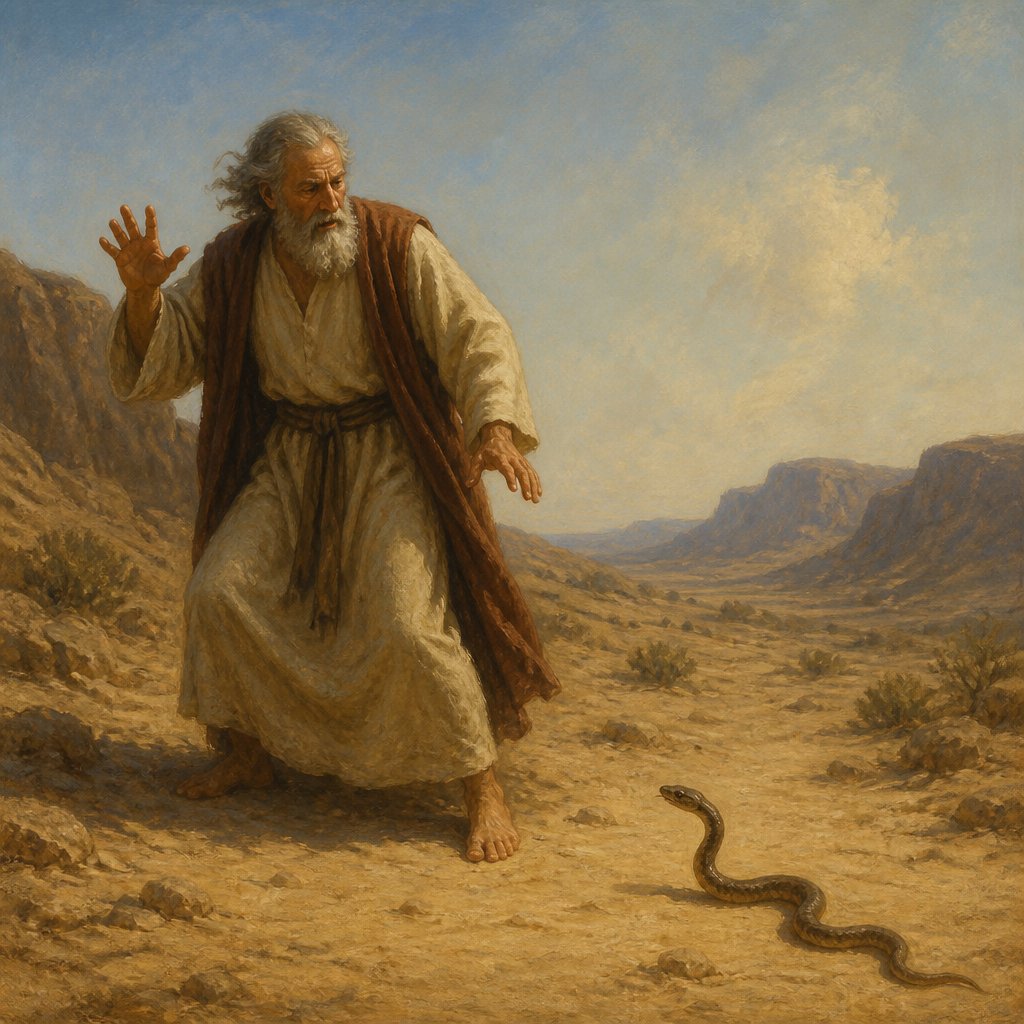
Exodus 4:3 in the King James Version reads, "And he said, Cast it on the ground. And he cast it on the ground, and it became a serpent; and Moses fled from before it." This verse is part of the larger story of God calling Moses to lead the Israelites out of Egypt, and it holds a significant meaning in the context of this narrative.
In the broader context of the book of Exodus, this verse takes place after God has appeared to Moses in the burning bush and tasked him with leading the Israelites out of bondage in Egypt. Moses is understandably hesitant and unsure of himself, questioning his ability to carry out such a monumental task. In this particular verse, God is demonstrating his power to Moses by turning his staff into a serpent and commanding him to pick it up by the tail, a dangerous and unconventional action.
One of the key themes of this verse is the concept of faith and trust in God. Moses is being tested here, as he demonstrates his trust in God's power by obeying his command to throw his staff onto the ground. Similarly, the Israelites are being called to trust God as they prepare to embark on a harrowing journey out of Egypt and into the wilderness. This theme of trust and faith in God's power is a central motif throughout the entire biblical narrative, as believers are repeatedly called to rely on God's strength rather than their own.
Another important theme in this verse is the idea of God's authority over the natural world. By transforming Moses' staff into a serpent, God is demonstrating his supremacy over creation and his ability to perform miraculous signs. This theme of divine authority is prevalent throughout the entire Bible, as God repeatedly displays his power through signs and wonders, ultimately pointing to his sovereignty and control over all things.
The symbolism in this verse is rich and multi-layered. The staff, a symbol of Moses' identity as a shepherd and leader, represents his own abilities and resources. By casting it to the ground, he is surrendering his own strength and placing it in God's hands. The transformation of the staff into a serpent symbolizes the power of God to bring about unexpected and miraculous transformations. The serpent itself carries symbolic weight, representing danger, cunning, and the presence of evil. This transformation serves as a metaphor for the trials and challenges that Moses and the Israelites will face, as well as the potential for God to turn these dangers into sources of protection and deliverance.
In conclusion, Exodus 4:3 is a pivotal verse in the larger narrative of the book of Exodus, carrying themes of faith, trust, divine authority, and symbolic significance. It serves as a powerful demonstration of God's power and sovereignty, and as a call for believers to rely on God's strength in the face of daunting challenges. This verse continues to inspire and encourage readers to trust in God's transformative power and his ability to overcome the dangers and obstacles we may encounter in our own lives.
Have questions about Exodus 4:3?
Dive deeper into this scripture with Bible Chat — an AI-powered tool for exploring God's Word through conversation. Ask questions, get context, and grow in your understanding of the Bible.
Get Our Apps


Exodus 4:3 Artwork

Exodus 4:3 - "And he said, Cast it on the ground. And he cast it on the ground, and it became a serpent; and Moses fled from before it."
"And he said, Cast it on the ground. And he cast it on the ground, and it became a serpent; and Moses fled from before it." - Exodus 4:3
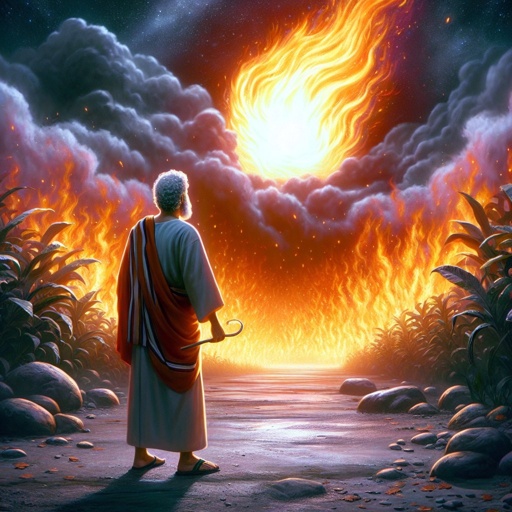
Exodus 3:4 - "And when the LORD saw that he turned aside to see, God called unto him out of the midst of the bush, and said, Moses, Moses. And he said, Here am I."

exodus 3

Exodus 23:4

Exodus 28:4

Exodus 28:4

Exodus 3:12

Exodus 3:12

Exodus 17:3

Exodus 3:12

Exodus 3:12

Exodus 3:12
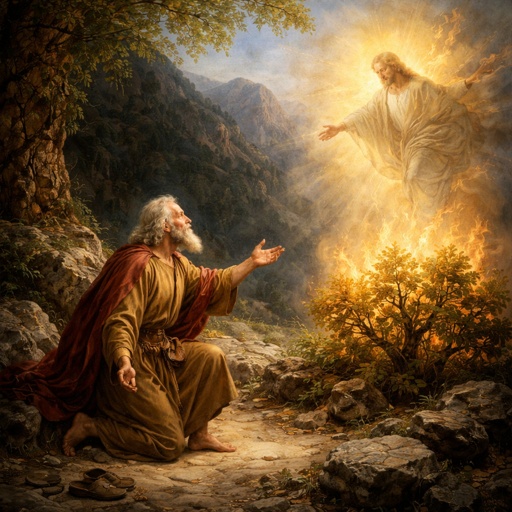
exodus 3:11

Exodus 3:14

Exodus 3:14

Exodus 3:14

exodus 3:14

Exodus 3:14

Exodus 17:3

Exodus 3:12

Exodus 3:12

Exodus 28:4

Exodus 28:4

Exodus 24:4

Exodus 23:4

Exodus 1:3 - "Issachar, Zebulun, and Benjamin,"

exodus 27:3 forks

Exodus 4:1-5

Exodus 1:4 - "Dan, and Naphtali, Gad, and Asher."