What does Exodus 4:11 mean?
"And the LORD said unto him, Who hath made man's mouth? or who maketh the dumb, or deaf, or the seeing, or the blind? have not I the LORD?" - Exodus 4:11
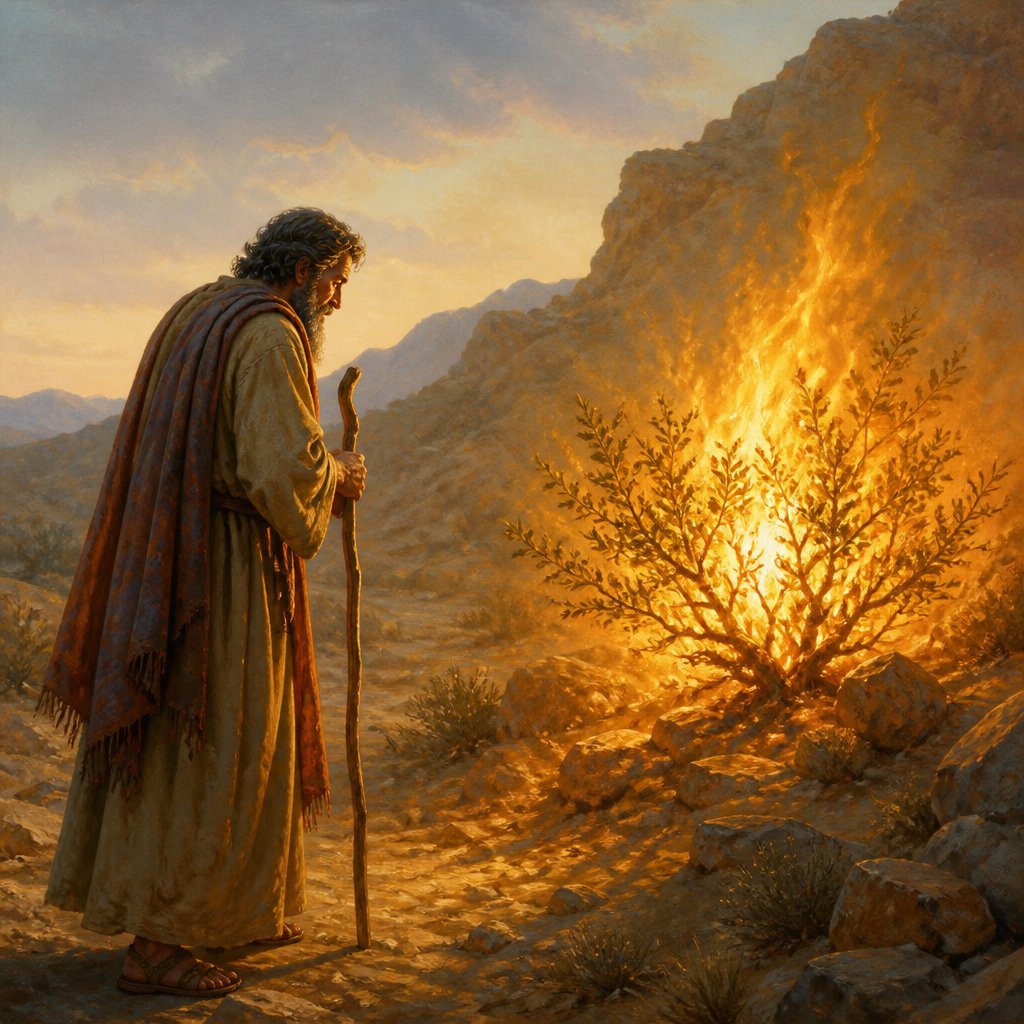
Exodus 4:11 from the King James Version of the Bible reads, "And the Lord said unto him, Who hath made man's mouth? or who maketh the dumb, or deaf, or the seeing, or the blind? have not I the Lord?"
This verse comes from a passage in the book of Exodus where God is speaking to Moses, commissioning him to go before Pharaoh and demand the release of the Israelite slaves. In this particular verse, God is responding to Moses' plea that he is not eloquent in speech and therefore is not fit to be the spokesperson for the Israelites. God's response to Moses is a declaration of His sovereignty and control over all aspects of creation, including the abilities and disabilities of human beings.
The overarching theme of this verse is the sovereignty of God. The passage reminds us that God is the ultimate creator and sustainer of all life, and He is in control of every aspect of the natural world, including the abilities and disabilities of individuals. The verse also highlights the concept of divine providence, emphasizing that God has a purpose and plan for every person, regardless of their physical or mental capabilities. Even in situations where an individual may be seen as lacking or limited, God is ultimately in control and has the ability to work in and through them for His purposes.
The context of this verse is significant in understanding its meaning. At this point in the narrative, Moses is feeling inadequate and unprepared for the monumental task of confronting the powerful Pharaoh and leading the Israelites out of slavery. He is essentially making excuses, citing his perceived shortcomings as a reason why he should not be the one to carry out God's plan. In response, God challenges Moses' assumptions and reaffirms His power and sovereignty. This passage serves as a reminder that God's strength is made perfect in our weakness, and He is able to use even the most seemingly ill-equipped individuals to accomplish His will.
Symbolically, this verse serves as a reminder of the diverse ways in which God works through His creation. The mention of the "dumb, or deaf, or the seeing, or the blind" encompasses a range of abilities and disabilities, emphasizing that God's purpose is not limited by human conceptions of capability. It also serves as a reflection of the broader biblical theme of God's preferential treatment of the marginalized and disadvantaged. Throughout the Bible, God consistently aligns Himself with the weak, the oppressed, and the vulnerable, and this verse can be seen as a reflection of that broader theme.
In conclusion, Exodus 4:11 is a powerful declaration of God's sovereignty and His ability to work through all individuals, regardless of their perceived limitations. It serves as a reminder that God's plans are not hindered by human weakness, and He is able to use even the most unexpected individuals to accomplish His purposes. It also highlights the biblical theme of God's preferential treatment of the marginalized and disadvantaged, underscoring His care for all individuals, regardless of their abilities or disabilities. This verse offers a message of hope and encouragement, reassuring believers that God is ultimately in control and is able to work in and through them for His glory.
Have questions about Exodus 4:11?
Dive deeper into this scripture with Bible Chat — an AI-powered tool for exploring God's Word through conversation. Ask questions, get context, and grow in your understanding of the Bible.
Get Our Apps


Exodus 4:11 Artwork

Exodus 4:11 - "And the LORD said unto him, Who hath made man's mouth? or who maketh the dumb, or deaf, or the seeing, or the blind? have not I the LORD?"
"And the LORD said unto him, Who hath made man's mouth? or who maketh the dumb, or deaf, or the seeing, or the blind? have not I the LORD?" - Exodus 4:11

Exodus 11:4 - "And Moses said, Thus saith the LORD, About midnight will I go out into the midst of Egypt:"

Exodus 4:1-5
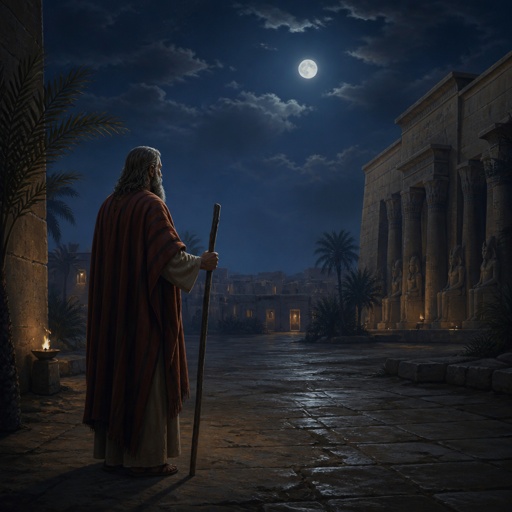
"And Moses said, Thus saith the LORD, About midnight will I go out into the midst of Egypt:" - Exodus 11:4

exodus 18:11
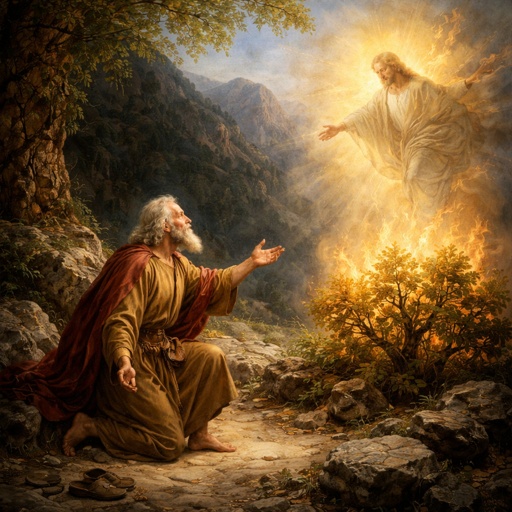
exodus 3:11

Exodus 17:11

The Plague on the Firstborn - Exodus 11
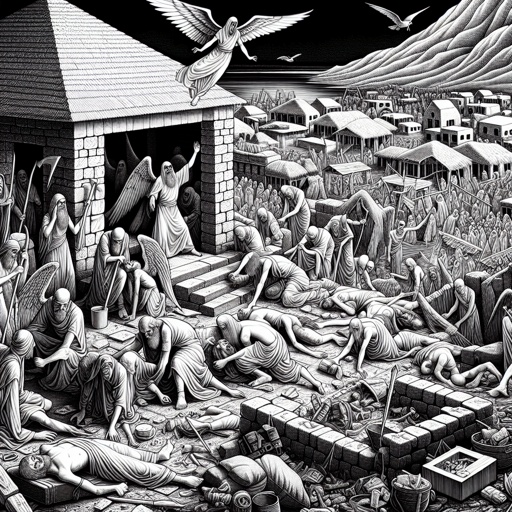
The Plague on the Firstborn - Exodus 11

The Plague on the Firstborn - Exodus 11
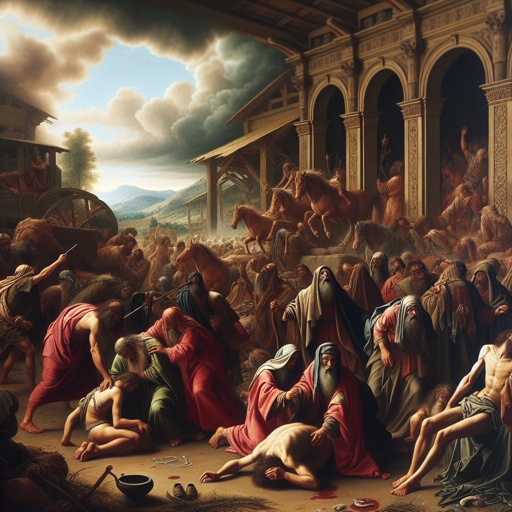
The Plague on the Firstborn - Exodus 11

Exodus 24:9-11

The Plague on the Firstborn - Exodus 11

The Plague on the Firstborn - Exodus 11

Exodus 23:4

Exodus 28:4

Exodus 28:4

Exodus 28:4

Exodus 28:4

Exodus 24:4

Exodus 23:4

Exodus 16:11 - "¶ And the LORD spake unto Moses, saying,"

Exodus 30:11 - "¶ And the LORD spake unto Moses, saying,"

Exodus 39:11 - "And the second row, an emerald, a sapphire, and a diamond."

The Plague on the Firstborn Son - Exodus 11

Exodus 40:11 - "And thou shalt anoint the laver and his foot, and sanctify it."

Exodus 1:4 - "Dan, and Naphtali, Gad, and Asher."

Exodus 29:11 - "And thou shalt kill the bullock before the LORD, by the door of the tabernacle of the congregation."

The Plague on the Firstborn - Exodus 11, 12:1-30