What does Exodus 3:7-10 mean?
"And the LORD said, I have surely seen the affliction of my people which are in Egypt, and have heard their cry by reason of their taskmasters; for I know their sorrows; And I am come down to deliver them out of the hand of the Egyptians, and to bring them up out of that land unto a good land and a large, unto a land flowing with milk and honey; unto the place of the Canaanites, and the Hittites, and the Amorites, and the Perizzites, and the Hivites, and the Jebusites. Now therefore, behold, the cry of the children of Israel is come unto me: and I have also seen the oppression wherewith the Egyptians oppress them. Come now therefore, and I will send thee unto Pharaoh, that thou mayest bring forth my people the children of Israel out of Egypt." - Exodus 3:7-10
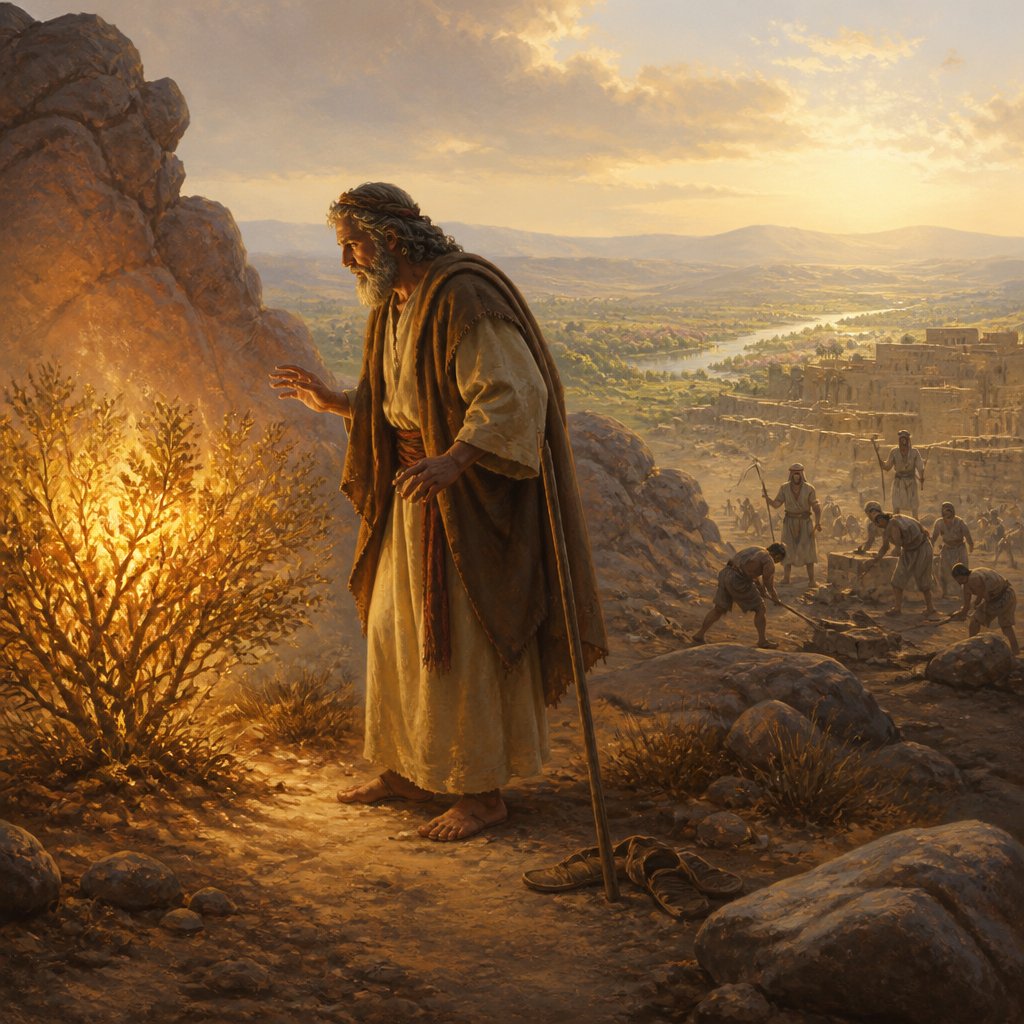
Exodus 3:7-10 in the King James Version (KJV) reads: "And the Lord said, I have surely seen the affliction of my people which are in Egypt, and have heard their cry by reason of their taskmasters; for I know their sorrows; And I am come down to deliver them out of the hand of the Egyptians, and to bring them up out of that land unto a good land and a large, unto a land flowing with milk and honey; unto the place of the Canaanites, and the Hittites, and the Amorites, and the Perizzites, and the Hivites, and the Jebusites. And now, behold, the cry of the children of Israel is come unto me: and I have also seen the oppression wherewith the Egyptians oppress them. Come now therefore, and I will send thee unto Pharaoh, that thou mayest bring forth my people the children of Israel out of Egypt."
This passage from the book of Exodus captures a pivotal moment in the history of the Israelites as they were suffering under the oppressive rule of the Egyptians. God speaks to Moses from the burning bush, revealing Himself and His plan for deliverance for His people.
The overarching theme of Exodus 3:7-10 is the deliverance and redemption of the Israelites from their bondage in Egypt. God expresses deep concern for His people, acknowledging their suffering and anguish. This passage reveals the compassionate nature of God, who sees the plight of His people and hears their cries for help. It emphasizes God's intimate knowledge and personal involvement in the lives of the Israelites, as He is fully aware of their suffering and is moved to take action on their behalf.
The historical context of this passage is crucial to understanding its significance. The Israelites had been enslaved in Egypt for generations, enduring harsh labor, oppression, and dehumanization at the hands of the Egyptians. Their cries for deliverance had reached a desperate fervor, and it was in this moment of great need that God revealed Himself to Moses and declared His plan to rescue His people. This context underscores the profound and transformative nature of God's intervention in the lives of His chosen people, setting the stage for the exodus from Egypt and the establishment of the covenant between God and the Israelites.
The passage is rich with symbolism, reflecting the character of God and His redemptive purposes. The burning bush itself is a powerful symbol of God's presence, as it burns with fire yet is not consumed. This serves as a visual manifestation of the holiness and transcendence of God, as well as His power to communicate directly with His chosen servant, Moses. Additionally, the land flowing with milk and honey, to which God promises to lead the Israelites, symbolizes a place of abundance, prosperity, and fulfillment of God's promises.
The call to action given to Moses by God embodies the theme of divine commission and human agency. God entrusts Moses with the task of leading His people out of Egypt, underscoring the partnership between God and His chosen servants in the fulfillment of His redemptive plans. This theme of partnership and collaboration between God and humanity is a recurring motif in the biblical narrative, emphasizing the role of human obedience and faithfulness in carrying out God's purposes on earth.
Exodus 3:7-10 carries profound theological implications, illuminating the compassionate and interventionist nature of God, as well as His faithfulness to His covenant promises. It serves as a foundational passage in the biblical narrative of Israel's exodus from Egypt, encapsulating the themes of deliverance, redemption, and divine intervention. This passage continues to resonate with believers, reminding them of God's steadfast love and commitment to rescuing His people from oppression and leading them into freedom and abundant life.
Have questions about Exodus 3:7-10?
Dive deeper into this scripture with Bible Chat — an AI-powered tool for exploring God's Word through conversation. Ask questions, get context, and grow in your understanding of the Bible.
Get Our Apps


Exodus 3:7-10 Artwork

Exodus 3:7-10 - "And the LORD said, I have surely seen the affliction of my people which are in Egypt, and have heard their cry by reason of their taskmasters; for I know their sorrows; And I am come down to deliver them out of the hand of the Egyptians, and to bring them up out of that land unto a good land and a large, unto a land flowing with milk and honey; unto the place of the Canaanites, and the Hittites, and the Amorites, and the Perizzites, and the Hivites, and the Jebusites. Now therefore, behold, the cry of the children of Israel is come unto me: and I have also seen the oppression wherewith the Egyptians oppress them. Come now therefore, and I will send thee unto Pharaoh, that thou mayest bring forth my people the children of Israel out of Egypt."
"And the LORD said, I have surely seen the affliction of my people which are in Egypt, and have heard their cry by reason of their taskmasters; for I know their sorrows; And I am come down to deliver them out of the hand of the Egyptians, and to bring them up out of that land unto a good land and a large, unto a land flowing with milk and honey; unto the place of the Canaanites, and the Hittites, and the Amorites, and the Perizzites, and the Hivites, and the Jebusites. Now therefore, behold, the cry of the children of Israel is come unto me: and I have also seen the oppression wherewith the Egyptians oppress them. Come now therefore, and I will send thee unto Pharaoh, that thou mayest bring forth my people the children of Israel out of Egypt." - Exodus 3:7-10

Exodus 7:10

Exodus 7:10

Exodus Chapter 7 Verses 8-10

Exodus 7:10 The Lord’s power defeating pharaoh’s magicians.

Exodus 7:10 Aaron’s staff eating pharaoh’s serpents

Exodus 7:3 - "And I will harden Pharaoh's heart, and multiply my signs and my wonders in the land of Egypt."

Exodus 3:7 - "¶ And the LORD said, I have surely seen the affliction of my people which are in Egypt, and have heard their cry by reason of their taskmasters; for I know their sorrows;"

Exodus 3:10 - "Come now therefore, and I will send thee unto Pharaoh, that thou mayest bring forth my people the children of Israel out of Egypt."

Exodus 7:10 - "¶ And Moses and Aaron went in unto Pharaoh, and they did so as the LORD had commanded: and Aaron cast down his rod before Pharaoh, and before his servants, and it became a serpent."

Exodus 10:7 - "And Pharaoh's servants said unto him, How long shall this man be a snare unto us? let the men go, that they may serve the LORD their God: knowest thou not yet that Egypt is destroyed?"
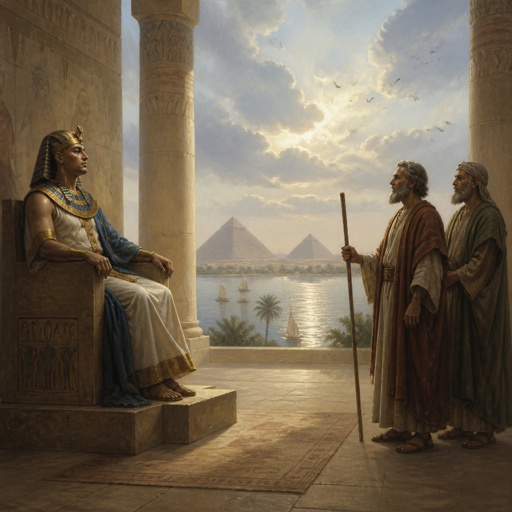
"And I will harden Pharaoh's heart, and multiply my signs and my wonders in the land of Egypt." - Exodus 7:3
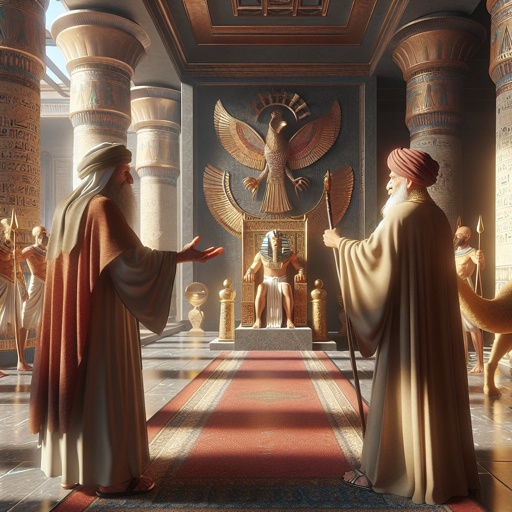
Exodus 10:3 - "And Moses and Aaron came in unto Pharaoh, and said unto him, Thus saith the LORD God of the Hebrews, How long wilt thou refuse to humble thyself before me? let my people go, that they may serve me."

Exodus 10:12
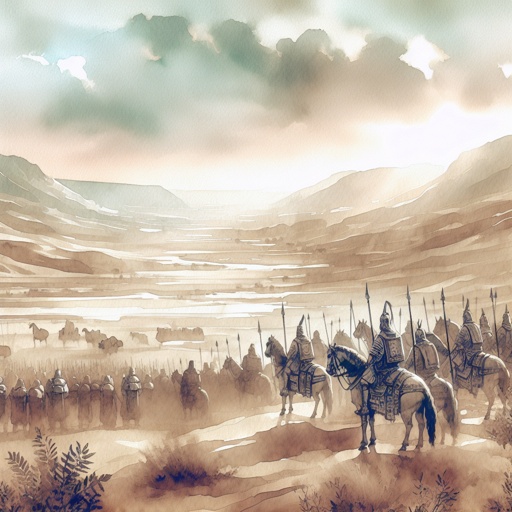
Exodus 17:10

Exodus 10:12

Exodus 10:12

exodus 3

Exodus 12:7

Exodus 12:7

Revelation 12:3-9 Please show the dragon like a mythical hydra with 7 heads crowned 10 horns total on the dragon.
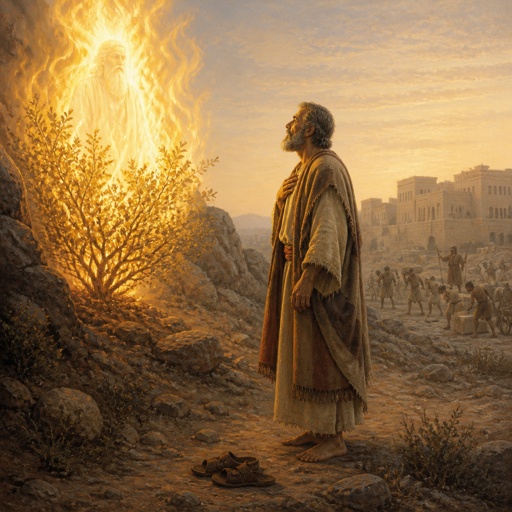
"¶ And the LORD said, I have surely seen the affliction of my people which are in Egypt, and have heard their cry by reason of their taskmasters; for I know their sorrows;" - Exodus 3:7

Exodus 25:10-22

Exodus 3:12

Exodus 3:12

Exodus 17:3

Exodus 3:12

Exodus 3:12

Exodus 3:12