What does Exodus 3:15 mean?
"And God said moreover unto Moses, Thus shalt thou say unto the children of Israel, The LORD God of your fathers, the God of Abraham, the God of Isaac, and the God of Jacob, hath sent me unto you: this is my name for ever, and this is my memorial unto all generations." - Exodus 3:15
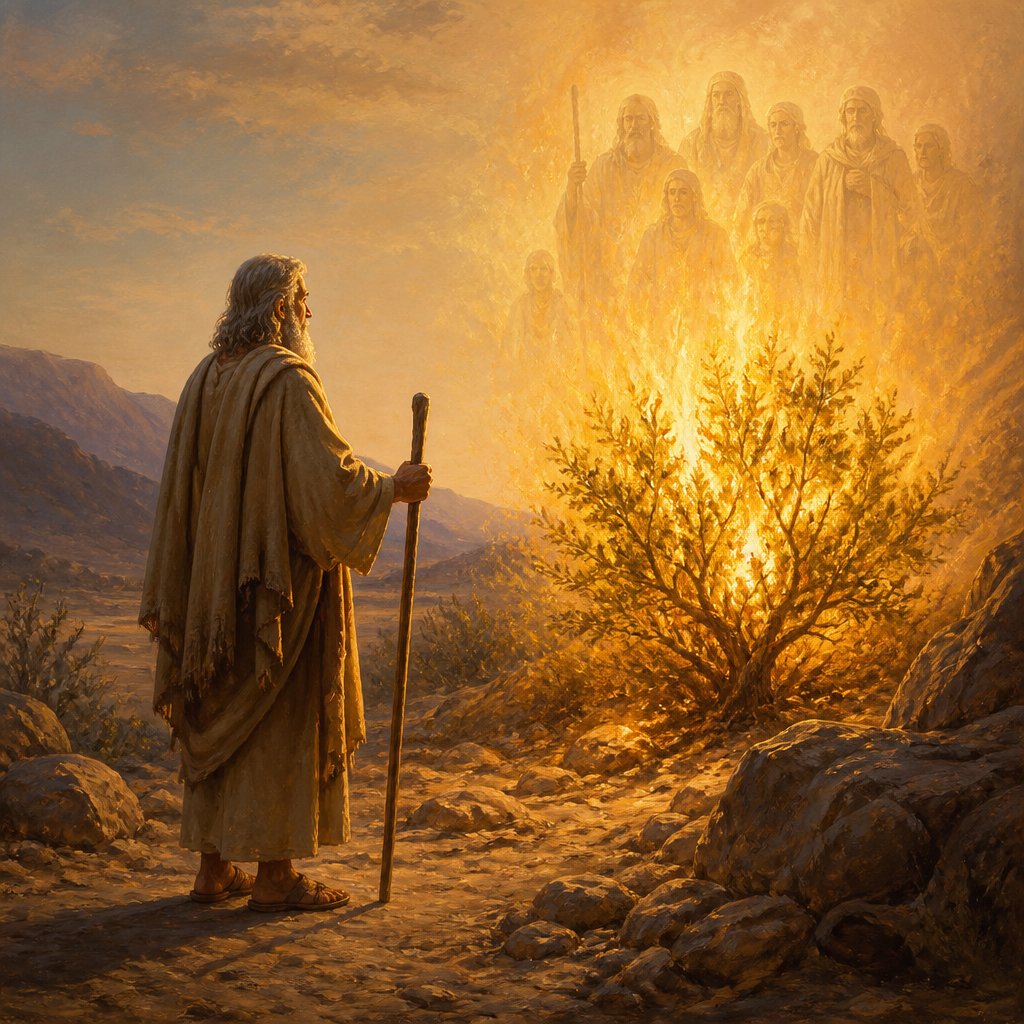
Exodus 3:15 (KJV) reads: "And God said moreover unto Moses, Thus shalt thou say unto the children of Israel, The Lord God of your fathers, the God of Abraham, the God of Isaac, and the God of Jacob, hath sent me unto you: this is my name for ever, and this is my memorial unto all generations."
In this verse, God is addressing Moses and giving him instructions on how to speak to the children of Israel. The verse is part of a larger passage in the Book of Exodus where God appears to Moses in the form of a burning bush and commissions him to lead the Israelites out of slavery in Egypt.
The verse contains several important themes that are central to the larger narrative of the Bible. One of the primary themes is the faithfulness and constancy of God. God identifies himself as "the Lord God of your fathers, the God of Abraham, the God of Isaac, and the God of Jacob," emphasizing his enduring presence and commitment to the people of Israel throughout the generations. This theme of God's faithfulness is a recurring one in the Bible, and it serves to reassure the Israelites that God will deliver them from their bondage in Egypt and fulfill his promises to their ancestors.
Another important theme in this verse is the revelation of God's name. When Moses asks God for his name in the previous verse, God responds, "I AM THAT I AM" (Exodus 3:14), indicating his eternal and unchanging nature. In verse 15, God further emphasizes the significance of his name, declaring, "this is my name for ever, and this is my memorial unto all generations." The name of God is a symbol of his divine power and authority, and by revealing it to Moses and the Israelites, God is establishing a direct and personal relationship with them.
The context of this verse is also crucial to understanding its meaning. At this point in the narrative, the Israelites have been living as slaves in Egypt for generations, and they are groaning under the oppressive rule of Pharaoh. God has seen the suffering of his people and has chosen Moses to be the instrument of their deliverance. Through a series of miraculous signs and wonders, God will demonstrate his power to Pharaoh and lead the Israelites out of Egypt to the Promised Land. The revelation of God's name to Moses is a pivotal moment in this larger story, marking the beginning of a new chapter in the history of the Israelites.
The symbolism in this verse is rich and multi-layered. The name of God, as revealed in the Bible, is a representation of his character and attributes. In the Hebrew tradition, the name of God is considered so holy that it is not to be spoken aloud. Instead, the four Hebrew consonants YHWH are used to represent the divine name, and it is often translated as "Yahweh" or "Jehovah" in English versions of the Bible. This divine name is a symbol of God's transcendence and incomprehensibility, as well as his personal presence and involvement in the world.
The mention of the patriarchs Abraham, Isaac, and Jacob in the verse also holds significant symbolism. These figures are revered as the founding fathers of the Israelite nation, and their faithfulness and obedience to God serve as a model for future generations. By identifying himself as "the God of your fathers," God is connecting the Israelites to their ancestral heritage and affirming his covenantal relationship with them.
In conclusion, Exodus 3:15 is a pivotal verse in the larger narrative of the Bible, containing important themes of God's faithfulness, the revelation of his name, and the symbolism of his divine presence. The verse serves as a reminder to the Israelites of God's enduring commitment to them and his power to deliver them from bondage. It also lays the foundation for the sacred and mysterious nature of the divine name, which carries deep significance throughout the biblical tradition.
Have questions about Exodus 3:15?
Dive deeper into this scripture with Bible Chat — an AI-powered tool for exploring God's Word through conversation. Ask questions, get context, and grow in your understanding of the Bible.
Get Our Apps


Exodus 3:15 Artwork

Exodus 3:15 - "And God said moreover unto Moses, Thus shalt thou say unto the children of Israel, The LORD God of your fathers, the God of Abraham, the God of Isaac, and the God of Jacob, hath sent me unto you: this is my name for ever, and this is my memorial unto all generations."
"And God said moreover unto Moses, Thus shalt thou say unto the children of Israel, The LORD God of your fathers, the God of Abraham, the God of Isaac, and the God of Jacob, hath sent me unto you: this is my name for ever, and this is my memorial unto all generations." - Exodus 3:15

Exodus 15:3 - "The LORD is a man of war: the LORD is his name."

"The LORD is a man of war: the LORD is his name." - Exodus 15:3

exodus 15

Exodus 15:22

Exodus 15:23

Exodus 15:5
Exodus 15:23

Exodus 15:21

Exodus 20:15 - "Thou shalt not steal."

Exodus 28:15-30

Exodus 8:1-15

exodus 3

Exodus 15:18 - "The LORD shall reign for ever and ever."

Exodus 3:12

Exodus 3:12

Exodus 17:3

Exodus 3:12

Exodus 3:12

Exodus 3:12
exodus 3:11

Exodus 3:14

Exodus 3:14

Exodus 3:14

exodus 3:14

Exodus 3:14

Exodus 17:3

Exodus 3:12

Exodus 3:12