What does Exodus 2:3 mean?
"And when she could not longer hide him, she took for him an ark of bulrushes, and daubed it with slime and with pitch, and put the child therein; and she laid it in the flags by the river's brink." - Exodus 2:3
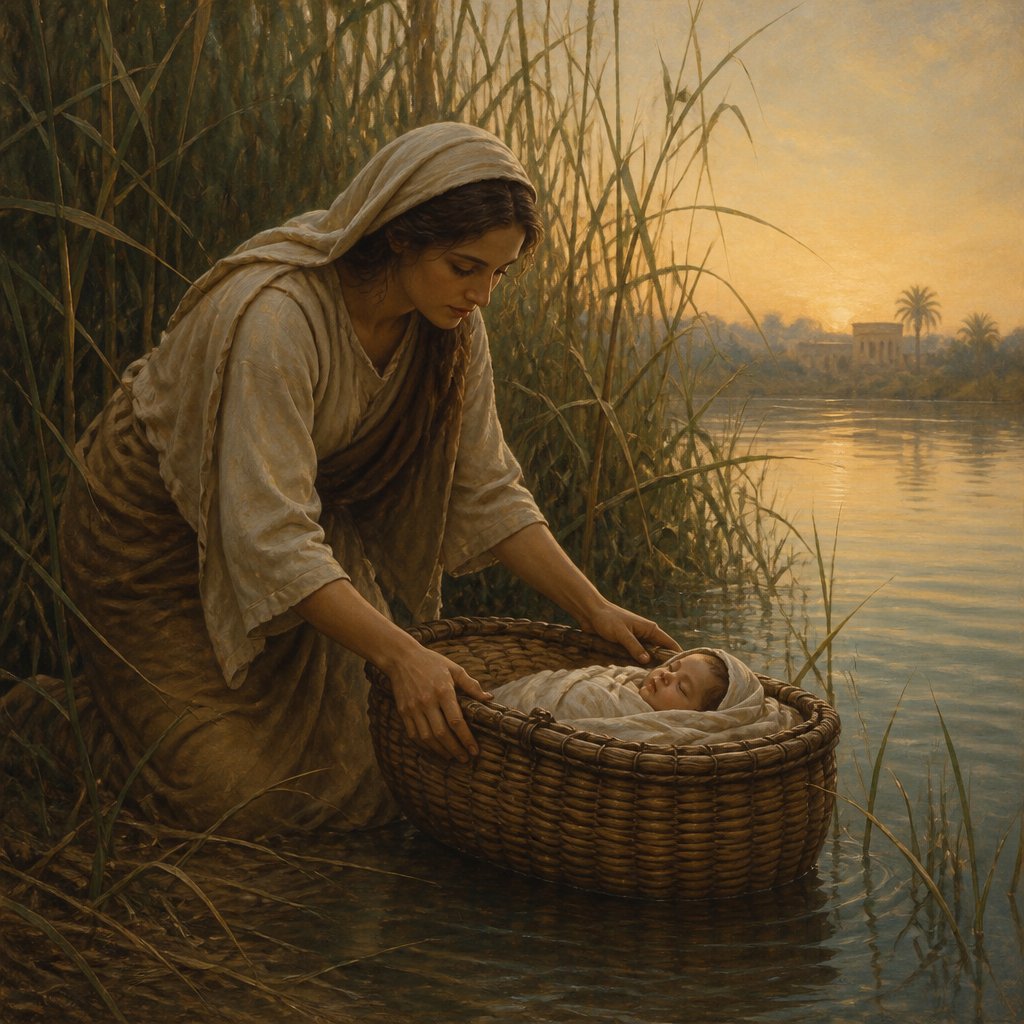
Exodus 2:3 from the King James Version of the Bible reads, "And when she could not longer hide him, she took for him an ark of bulrushes, and daubed it with slime and with pitch, and put the child therein; and she laid it in the flags by the river's brink."
This verse comes from the book of Exodus, which chronicles the history of the Israelites as they journey from Egypt to the promised land. In this particular verse, we are introduced to the story of Moses' birth and his mother's desperate attempt to save his life.
The context of this verse is set in the backdrop of intense persecution and oppression faced by the Israelites under the rule of Pharaoh in Egypt. In an effort to control the rapidly growing population of Israelites, Pharaoh orders all Hebrew baby boys to be thrown into the Nile River. In the face of such horrific decree, Moses' mother had to make a gut-wrenching choice: either hand over her son to be killed or find a way to protect him at all costs.
The passage begins with the phrase "And when she could not longer hide him," indicating that Moses' mother had been able to shield him from Pharaoh's decree for a period of time, but the danger of discovery was becoming increasingly evident. Desperate to save her son, she constructs an "ark of bulrushes" for him. The word "ark" here refers to a small boat or vessel, typically made of wood or reeds. The use of "bulrushes" suggests that Moses' mother weaved together the materials at hand to form a vessel that could float on the water.
Next, the verse describes how she "daubed it with slime and with pitch." This was a way of waterproofing the vessel, ensuring that it would not sink or leak once it was placed in the river. The attention to detail in the construction of the ark demonstrates the mother's deep love and determination to ensure the safety of her child.
After preparing the ark, Moses' mother "put the child therein" and "laid it in the flags by the river's brink." The "flags" refer to the tall, marshy grasses that grow along the banks of the river. By placing the ark among these reeds, she aimed to conceal it from any passerby while still ensuring that it would be discovered by someone who could rescue the child.
This story is rich with symbolism and themes that are central to the overarching narrative of the Bible. The image of a mother placing her infant child in a small, fragile vessel on the water is a powerful symbol of protection and deliverance. It evokes the ancient Mesopotamian myth of the infant Sargon, who was also set afloat in a basket to escape a royal decree. This motif of the helpless infant set adrift on the water calls to mind the vulnerability of humanity and the need for divine intervention.
The story of Moses' rescue also foreshadows his future role as a leader and deliverer of the Israelite people. Just as he is saved from the waters of the Nile, so too will he lead his people through the waters of the Red Sea to freedom. This theme of deliverance and redemption is echoed throughout the Bible, culminating in the ultimate deliverance offered through Jesus Christ.
Furthermore, the story highlights the courage and faith of Moses' mother, who risked her own life to save her child. Her actions speak to the power of maternal love and the lengths to which a parent will go to protect their offspring. This theme of sacrificial love is repeated throughout the Bible, most notably in the ultimate sacrifice made by God in sending his Son to die for the sins of humanity.
In conclusion, Exodus 2:3 offers a poignant and profound glimpse into the human experience of love, fear, and hope in the face of overwhelming adversity. It is a story that resonates with readers across cultures and generations, reminding us of the enduring power of faith and the relentless pursuit of freedom and justice.
Have questions about Exodus 2:3?
Dive deeper into this scripture with Bible Chat — an AI-powered tool for exploring God's Word through conversation. Ask questions, get context, and grow in your understanding of the Bible.
Get Our Apps


Exodus 2:3 Artwork
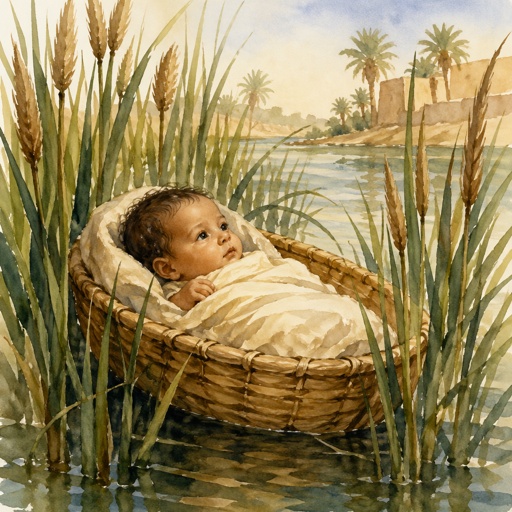
Exodus 2:3 baby Moses in bulrushes

Exodus 2:3 - "And when she could not longer hide him, she took for him an ark of bulrushes, and daubed it with slime and with pitch, and put the child therein; and she laid it in the flags by the river's brink."
"And when she could not longer hide him, she took for him an ark of bulrushes, and daubed it with slime and with pitch, and put the child therein; and she laid it in the flags by the river's brink." - Exodus 2:3

Exodus 3:2 – "There the angel of the Lord appeared to him in flames of fire from within a bush."
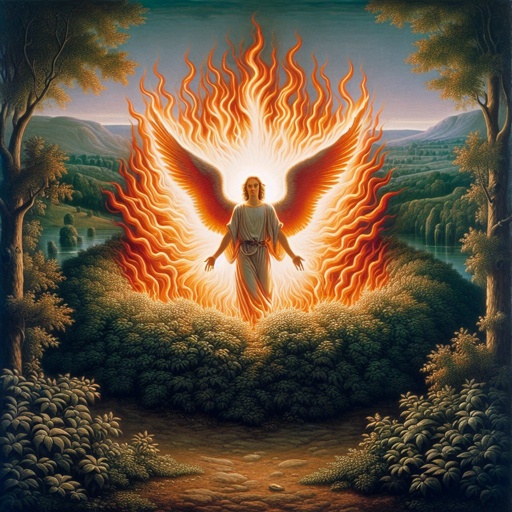
Exodus 3:2 – "There the angel of the Lord appeared to him in flames of fire from within a bush."

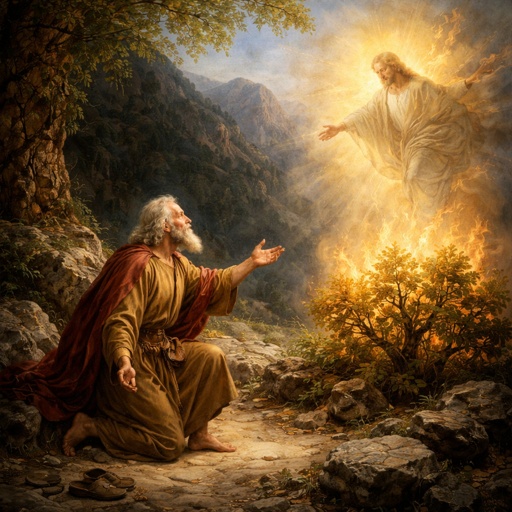
Exodus 3:2 - "And the angel of the LORD appeared unto him in a flame of fire out of the midst of a bush: and he looked, and, behold, the bush burned with fire, and the bush was not consumed."

exodus 3

Exodus 3:12

Exodus 3:12

Exodus 17:3

Exodus 3:12

Exodus 3:12

Exodus 3:12
exodus 3:11

Exodus 3:14

Exodus 3:14

Exodus 3:14

exodus 3:14

Exodus 3:14

Exodus 17:3

Exodus 3:12

Exodus 3:12

Exodus 1:3 - "Issachar, Zebulun, and Benjamin,"

exodus 27:3 forks

Exodus 3:3 - "And Moses said, I will now turn aside, and see this great sight, why the bush is not burnt."

Exodus 15:3 - "The LORD is a man of war: the LORD is his name."

Exodus 20:3 - "Thou shalt have no other gods before me."
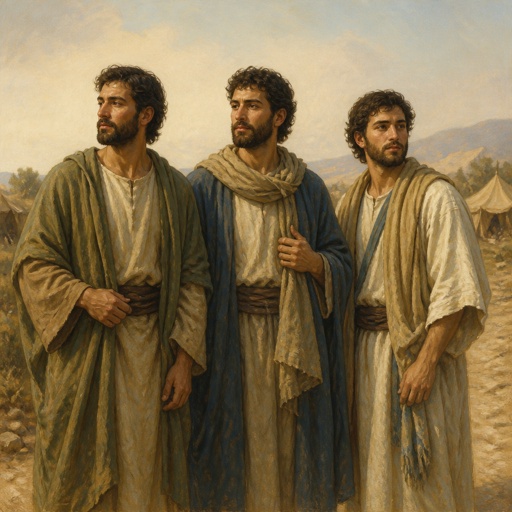
"Issachar, Zebulun, and Benjamin," - Exodus 1:3

Exodus 23:3 - "¶ Neither shalt thou countenance a poor man in his cause."

Exodus 20:2