What does Exodus 2:13 mean?
"And when he went out the second day, behold, two men of the Hebrews strove together: and he said to him that did the wrong, Wherefore smitest thou thy fellow?" - Exodus 2:13
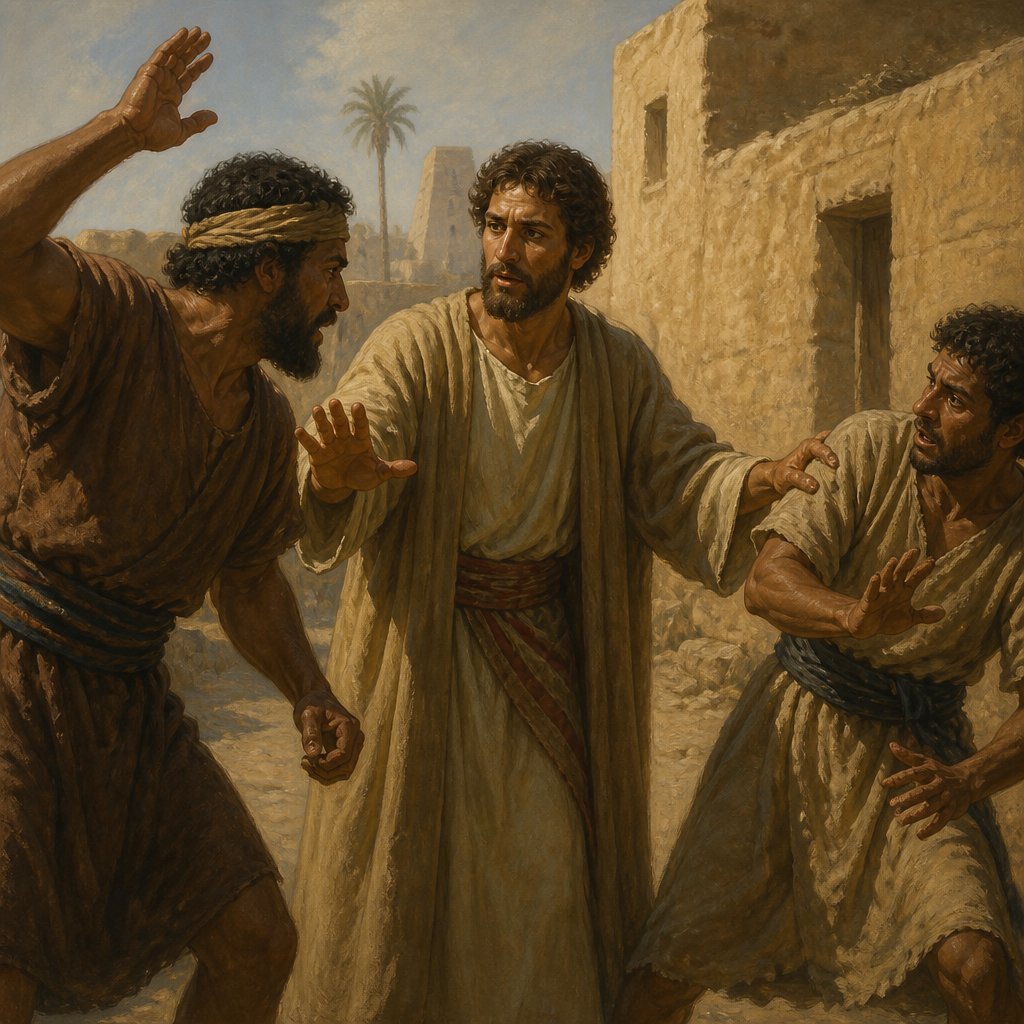
Exodus 2:13 from the King James Version (KJV) of the Bible reads: "And when he went out the second day, behold, two men of the Hebrews strove together: and he said to him that did the wrong, Wherefore smitest thou thy fellow?"
This verse is a part of the story of Moses, one of the most well-known figures in the Bible. The book of Exodus documents the journey of the Israelites out of slavery in Egypt, and Moses plays a central role in leading them to freedom. In this particular verse, Moses is depicted as a young man who witnesses an act of oppression and questions the offender about their actions.
The immediate context of this verse is the oppression of the Israelites by the Egyptians. The Hebrew people have been enslaved and mistreated by the Egyptians, and this verse illustrates the tensions and conflicts that arise as a result of this oppression. The two Hebrew men fighting symbolize the internal strife and division within the community of the oppressed.
The verse also highlights Moses' sense of justice and his willingness to stand up for the oppressed. Despite being raised in the household of Pharaoh, Moses identifies with his Hebrew heritage and is disturbed by the mistreatment of his people. His question, "Wherefore smitest thou thy fellow?" reflects his desire to see peace and justice among his people.
This verse touches on several key themes that are central to the narrative of Exodus and the broader message of the Bible. One of the central themes is the call for justice and liberation. The Israelites are in need of liberation from their oppressive situation, and Moses emerges as a key figure in leading them to that freedom. This verse sets the stage for Moses' eventual role as a liberator and leader of the Israelites.
Another important theme is the idea of solidarity and unity among the oppressed. The fact that the two Hebrew men are fighting with each other reflects the internal division and strife that can arise in a community facing oppression. Moses' intervention and questioning of the offender speak to the need for unity and cohesion among the oppressed in the face of adversity.
The symbolism in this verse is also significant. The two Hebrew men fighting can be seen as a representation of the broader conflict and oppression faced by the Israelites. The fact that Moses intervenes and questions the offender can be seen as a foreshadowing of his future role as a leader and liberator. His actions in this verse set the stage for his eventual role in leading the Israelites out of slavery.
Overall, Exodus 2:13 is a pivotal verse in the story of Moses and the Israelites. It highlights key themes of justice, liberation, and solidarity, and sets the stage for Moses' eventual role as a leader and liberator. The verse serves as a powerful reminder of the importance of standing up for the oppressed and working towards justice and freedom.
Have questions about Exodus 2:13?
Dive deeper into this scripture with Bible Chat — an AI-powered tool for exploring God's Word through conversation. Ask questions, get context, and grow in your understanding of the Bible.
Get Our Apps


Exodus 2:13 Artwork

Exodus 2:13 - "And when he went out the second day, behold, two men of the Hebrews strove together: and he said to him that did the wrong, Wherefore smitest thou thy fellow?"
"And when he went out the second day, behold, two men of the Hebrews strove together: and he said to him that did the wrong, Wherefore smitest thou thy fellow?" - Exodus 2:13

Exodus 13:2 - "Sanctify unto me all the firstborn, whatsoever openeth the womb among the children of Israel, both of man and of beast: it is mine."

Exodus 14:13

Exodus 14:13

Exodus 14:13

Exodus 14:13

Exodus 14:13

Exodus 14:13

Exodus 14:13
Exodus 14:13

Exodus 14:13
Exodus 14:13

Exodus 14:13
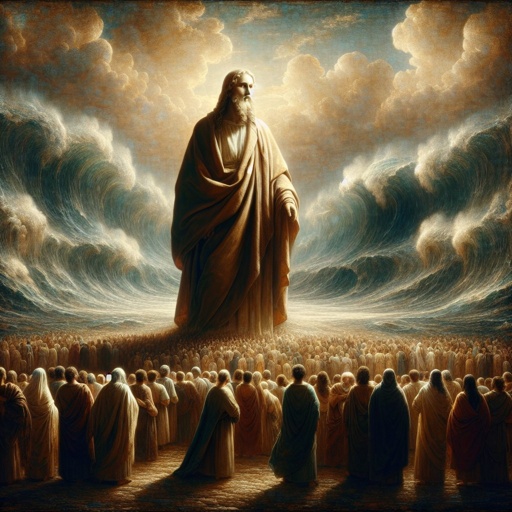
Exodus 14:13
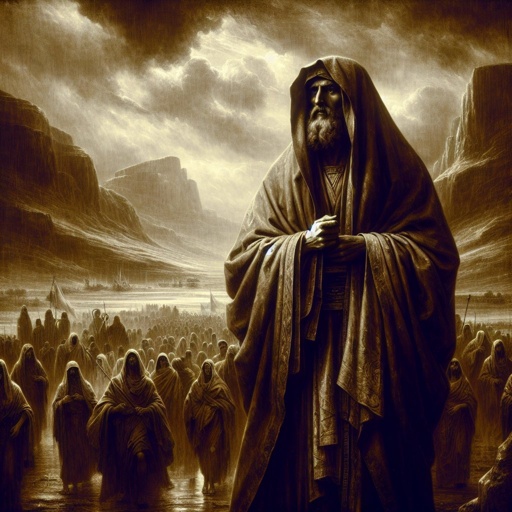
Exodus 14:13
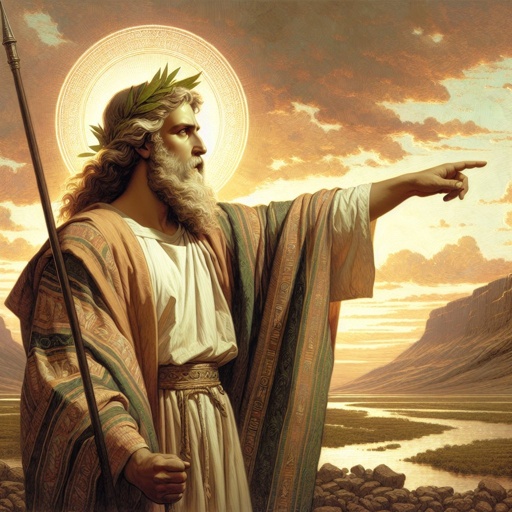
Exodus 14:13

Exodus 14:13

Exodus 14:13

Exodus 14:13

Exodus 14:13

Exodus 14:13
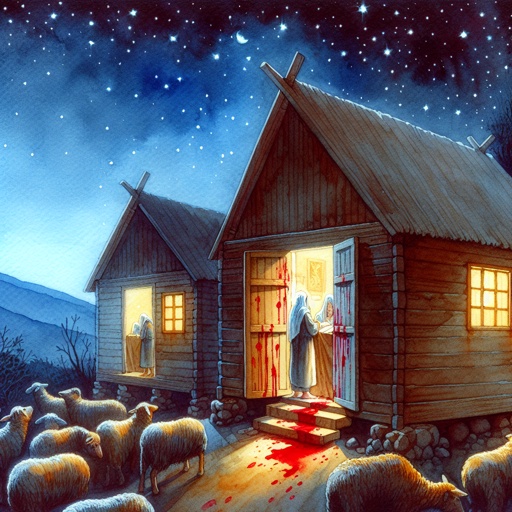
Exodus 12:13

Exodus 14:13

Exodus 14:13

Exodus 14:13

Exodus 14:13

Exodus 14:13

Exodus 14:13

Exodus 14:13