What does Exodus 27:6 mean?
"And thou shalt make staves for the altar, staves of shittim wood, and overlay them with brass." - Exodus 27:6
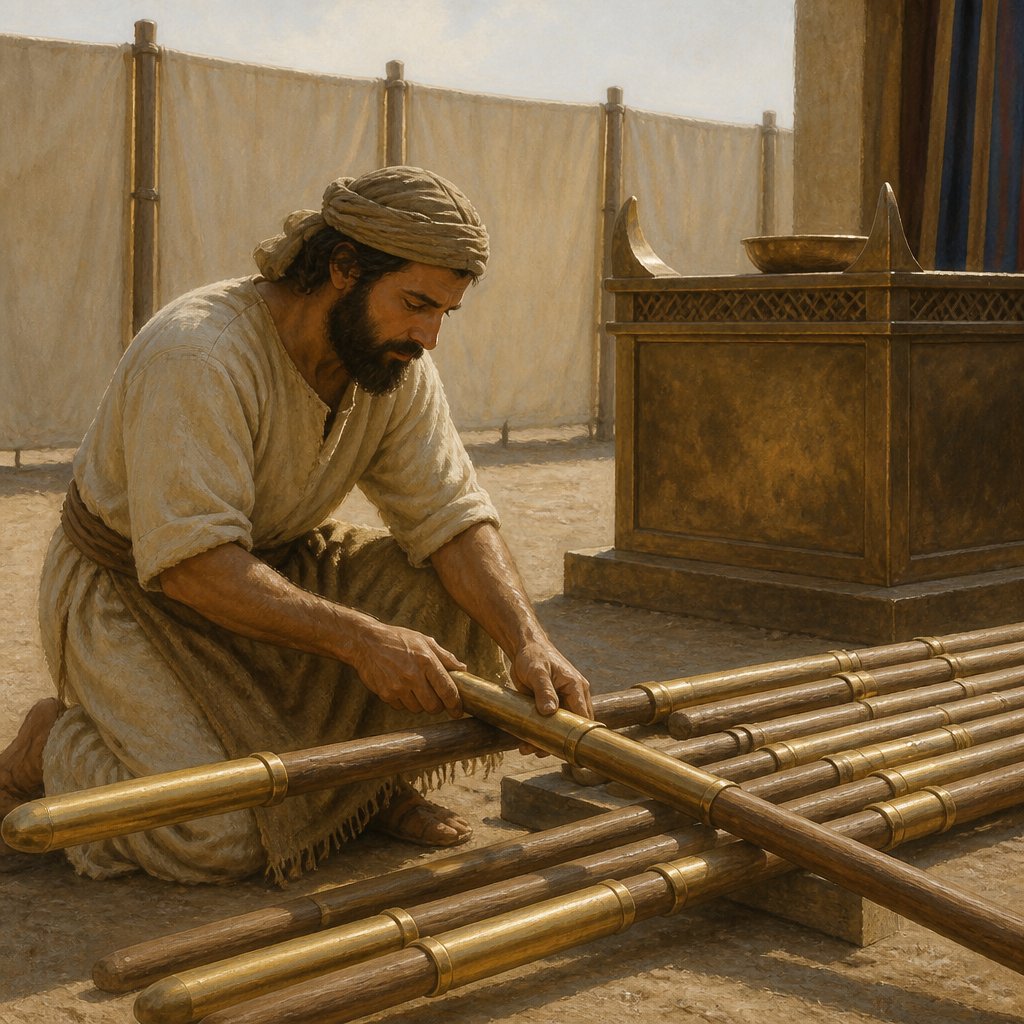
Exodus 27:6 from the King James Version of the Bible reads, "And thou shalt make staves for the altar, staves of shittim wood, and overlay them with brass." This verse is part of the detailed instructions given to Moses by God for the construction of the tabernacle and its furnishings. In this verse specifically, God is instructing Moses to make staves, or poles, for the altar of burnt offering.
The altar of burnt offering was a central component of the tabernacle, and it had great significance in the religious rituals of the Israelites. The burnt offering was a sacrifice made to atone for sin and to express devotion to God. The construction of the altar and its accessories, such as the staves mentioned in this verse, was carefully prescribed by God to ensure that the worship of the Israelites was conducted in a manner that was pleasing and acceptable to Him.
The use of shittim wood for the staves is significant. Shittim wood, also known as acacia wood, was a durable and highly regarded material in the ancient Near East. It was commonly used for construction and for making furnishings and implements. The choice of this particular wood for the staves of the altar would have conveyed a sense of strength, stability, and enduring value. This symbolism would have been important for the altar, which was the focal point of the Israelites' worship and their encounters with God.
The staves were also to be overlaid with brass, adding to their durability and strength. Brass, or bronze, was a metal often associated with strength and resilience in the ancient world. In the context of the altar, the use of brass overlay further emphasized the idea of the staves as a symbol of stability and unwavering commitment to the worship of God.
When we consider the broader themes and context of the book of Exodus, we can see that the construction of the tabernacle and its furnishings was not just a matter of practical necessity. It was a deeply spiritual and symbolic act. The tabernacle was to be a sacred space where God would dwell among His people, and every aspect of its construction was meant to reflect this holiness and the Israelites' desire to honor and obey God.
The detailed instructions for the construction of the tabernacle and its furnishings also served to emphasize the importance of obedience and faithfulness to God's commands. The Israelites were to follow these instructions precisely, without deviation, in order to create a space that was suitable for God's presence. This theme of obedience and faithfulness runs throughout the book of Exodus, as the Israelites learn to trust and obey God in the midst of their journey from slavery to freedom.
Symbolically, the staves for the altar can also be seen as a representation of the Israelites' commitment to their faith and their willingness to carry the weight of their worship and devotion to God. The act of constructing the staves and overlaying them with brass was an act of dedication and reverence, signifying the Israelites' desire to honor God in all aspects of their lives.
In summary, Exodus 27:6 conveys important themes of obedience, commitment, and symbolism within the context of the construction of the tabernacle. The detailed instructions for the construction of the staves for the altar serve to remind us of the importance of faithful obedience to God's commands and the significance of creating sacred spaces for encountering His presence. The use of shittim wood and brass overlay adds depth to the symbolism, highlighting the enduring strength and commitment required in the worship of God. This verse serves as a reminder to us today of the importance of honoring and obeying God in every aspect of our lives, and of the significance of creating sacred spaces for encountering His presence.
Have questions about Exodus 27:6?
Dive deeper into this scripture with Bible Chat — an AI-powered tool for exploring God's Word through conversation. Ask questions, get context, and grow in your understanding of the Bible.
Get Our Apps


Exodus 27:6 Artwork
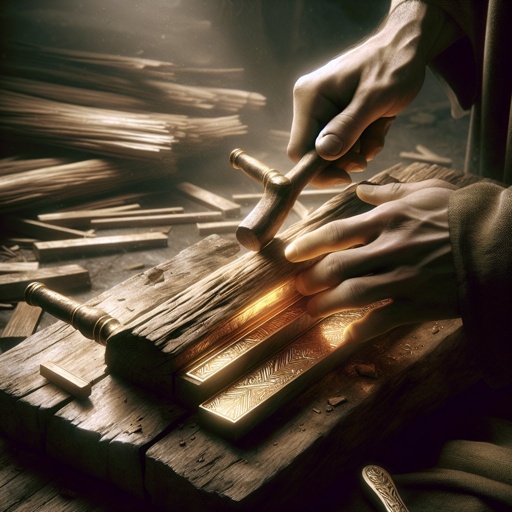
Exodus 27:6 - "And thou shalt make staves for the altar, staves of shittim wood, and overlay them with brass."
"And thou shalt make staves for the altar, staves of shittim wood, and overlay them with brass." - Exodus 27:6

Exodus 6:27 - "These are they which spake to Pharaoh king of Egypt, to bring out the children of Israel from Egypt: these are that Moses and Aaron."

Exodus 27:20

Exodus 27:20

Exodus 27:20
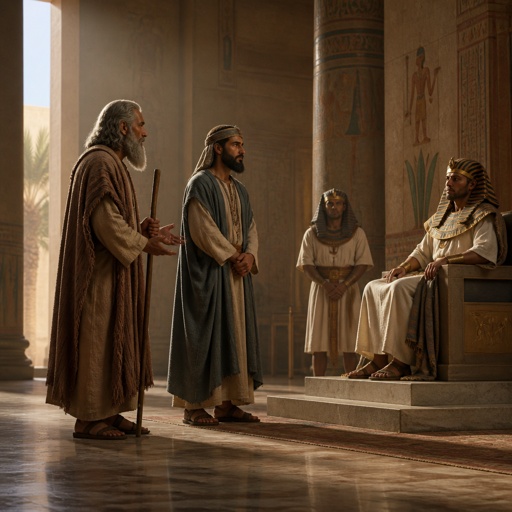
"These are they which spake to Pharaoh king of Egypt, to bring out the children of Israel from Egypt: these are that Moses and Aaron." - Exodus 6:27

Exodus 27:19-20

Exodus 27:1-8

Exodus 23:27-28

exodus 27:3 forks

Exodus 27:19-21

Exodus 27:20 the lamp is made of brass

Exodus 36:27 - "And for the sides of the tabernacle westward he made six boards."

Exodus 35:27 - "And the rulers brought onyx stones, and stones to be set, for the ephod, and for the breastplate;"

Exodus 27:13 - "And the breadth of the court on the east side eastward shall be fifty cubits."

Exodus 40:27 - "And he burnt sweet incense thereon; as the LORD commanded Moses."

Exodus 30:27 - "And the table and all his vessels, and the candlestick and his vessels, and the altar of incense,"

Exodus 25:27 - "Over against the border shall the rings be for places of the staves to bear the table."

Job 27:6

luke 6: 27

Exodus 10:27 - "¶ But the LORD hardened Pharaoh's heart, and he would not let them go."

Exodus 39:27 - "¶ And they made coats of fine linen of woven work for Aaron, and for his sons,"

Exodus 27:15 - "And on the other side shall be hangings fifteen cubits: their pillars three, and their sockets three."

Exodus 27:7 - "And the staves shall be put into the rings, and the staves shall be upon the two sides of the altar, to bear it."

Exodus 27:14 - "The hangings of one side of the gate shall be fifteen cubits: their pillars three, and their sockets three."

Exodus 16:27 - "¶ And it came to pass, that there went out some of the people on the seventh day for to gather, and they found none."

Luke 6: 27-38
Exodus 17:6

Exodus 17:6