What does Exodus 25:19 mean?
"And make one cherub on the one end, and the other cherub on the other end: even of the mercy seat shall ye make the cherubims on the two ends thereof." - Exodus 25:19
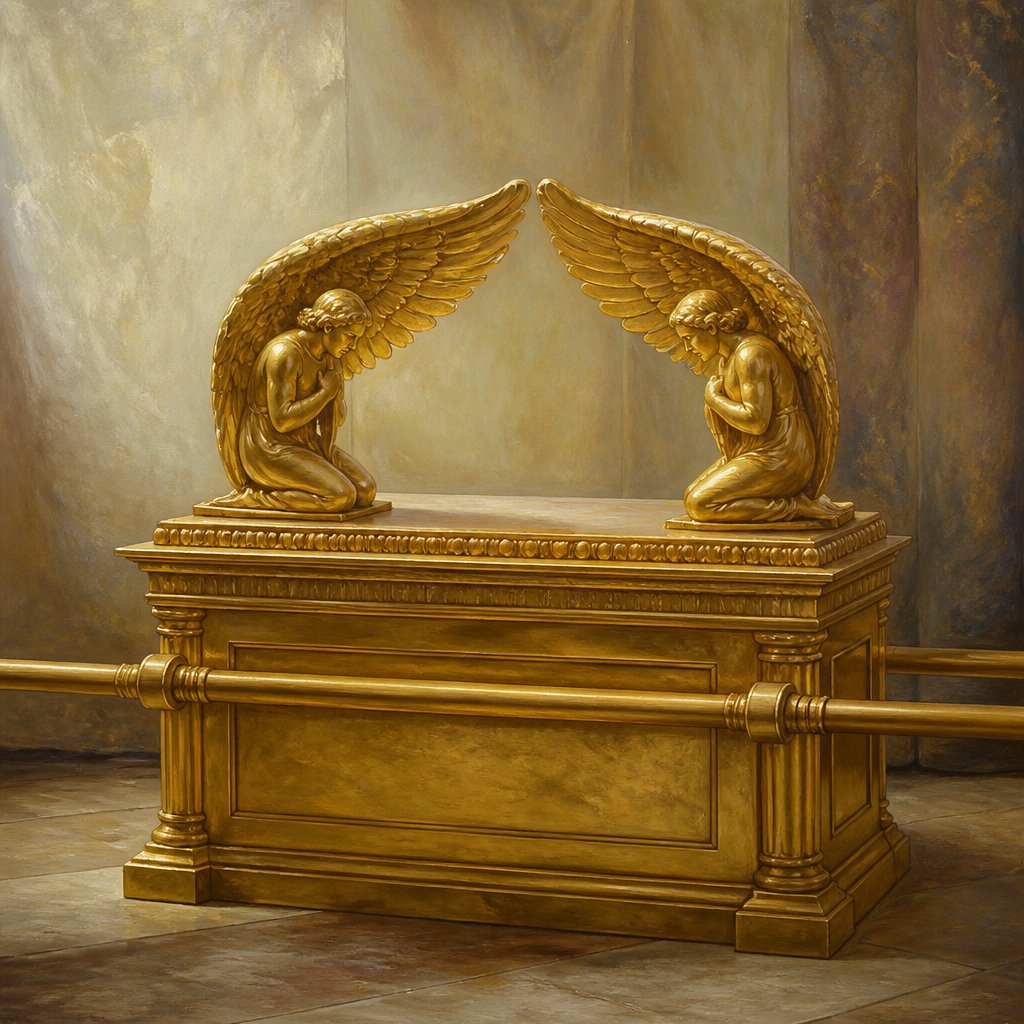
Exodus 25:19 (KJV) states: "And make one cherub on the one end, and the other cherub on the other end: even of the mercy seat shall ye make the cherubims on the two ends thereof."
The book of Exodus is the second book in the Hebrew Bible and the Christian Old Testament. It tells the story of the Israelites' deliverance from slavery in Egypt by God, their journey through the wilderness, and their eventual establishment as a nation with God as their sovereign.
In Exodus 25, God instructs Moses on how to build the tabernacle, a portable sanctuary where the Israelites could worship God during their time in the wilderness. The verse in question is part of God's detailed instructions for the construction of the Ark of the Covenant, which was to be housed in the innermost chamber of the tabernacle.
The Ark of the Covenant was a sacred chest made of acacia wood and covered with pure gold. It contained the stone tablets inscribed with the Ten Commandments, a pot of manna, and Aaron's staff. The mercy seat, also made of pure gold, was placed on top of the Ark. It was here that God would appear to communicate with Moses, and it symbolized the presence of God among his people.
The verse specifically instructs the construction of two cherubim, angelic figures, to be placed on either end of the mercy seat. Cherubim are mentioned in several other parts of the Bible, including in the descriptions of Solomon's temple and in the prophecies of Ezekiel and Isaiah. In this context, they symbolize the holiness and divine presence of God.
The construction of the Ark of the Covenant and the mercy seat is laden with rich symbolism and theological significance. The cherubim on the mercy seat serve as a constant reminder of God's presence and his holiness. They also reflect the continuity between the Garden of Eden, where cherubim guarded the way to the tree of life after Adam and Eve were expelled, and the tabernacle, where the cherubim were to guard the holiest place.
Furthermore, the mercy seat itself is a powerful symbol of God's grace and forgiveness. The high priest would sprinkle the blood of a sacrificial animal on the mercy seat on the Day of Atonement, thereby symbolizing the covering of the people's sin and the restoration of their relationship with God. This act foreshadowed the ultimate atonement to be made by Jesus Christ, who is often referred to as the ultimate Mercy Seat in Christian theology.
The theme of God's presence and holiness pervades the entire book of Exodus and the construction of the tabernacle. The inclusion of the cherubim on the mercy seat serves as a visual representation of these themes, reinforcing the idea that God is both sovereign and present among his people. The symbolism of the mercy seat also underscores the central themes of grace, forgiveness, and atonement, which are crucial elements of the Israelites' relationship with God.
In conclusion, Exodus 25:19 (KJV) and the broader context of the construction of the Ark of the Covenant and the mercy seat in the tabernacle carry deep theological significance. The inclusion of the cherubim on the mercy seat serves as a tangible representation of God's presence and holiness, while the mercy seat itself symbolizes God's grace and forgiveness. These themes are central to the Israelites' understanding of their relationship with God and continue to have profound theological implications for Christian believers today.
Have questions about Exodus 25:19?
Dive deeper into this scripture with Bible Chat — an AI-powered tool for exploring God's Word through conversation. Ask questions, get context, and grow in your understanding of the Bible.
Get Our Apps


Exodus 25:19 Artwork
Exodus 25:19 - "And make one cherub on the one end, and the other cherub on the other end: even of the mercy seat shall ye make the cherubims on the two ends thereof."
"And make one cherub on the one end, and the other cherub on the other end: even of the mercy seat shall ye make the cherubims on the two ends thereof." - Exodus 25:19

Exodus 19:25 - "So Moses went down unto the people, and spake unto them."
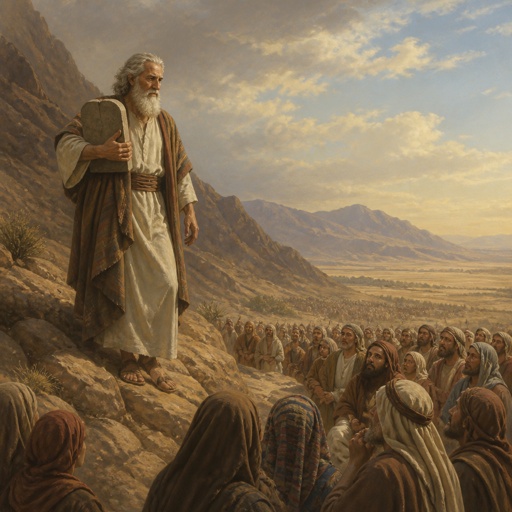
"So Moses went down unto the people, and spake unto them." - Exodus 19:25

Exodus 25:16

Exodus 25:31

Exodus 25:8

Exodus 25:16

Exodus 25:16

Exodus 19

Exodus 25:10-22

Genesis 19-25

Exodus 25:1 - "And the LORD spake unto Moses, saying,"

Exodus 2:19

Exodus 25:7 - "Onyx stones, and stones to be set in the ephod, and in the breastplate."

John 19:25-27

Exodus 21:25 - "Burning for burning, wound for wound, stripe for stripe."

John 19:25-27

Exodus 27:19-20

Exodus 12:1-19

Exodus 25:38 - "And the tongs thereof, and the snuffdishes thereof, shall be of pure gold."

Exodus 25:4 - "And blue, and purple, and scarlet, and fine linen, and goats' hair,"

Exodus 25:6 - "Oil for the light, spices for anointing oil, and for sweet incense,"

Exodus 25:25 - "And thou shalt make unto it a border of an hand breadth round about, and thou shalt make a golden crown to the border thereof round about."

Exodus 25:15 - "The staves shall be in the rings of the ark: they shall not be taken from it."

Exodus 25:31-40 This is an oil lampstand.

Joshua 19:25 - "And their border was Helkath, and Hali, and Beten, and Achshaph,"

Exodus 19:16-20

Exodus 27:19-21

Exodus 40:25 - "And he lighted the lamps before the LORD; as the LORD commanded Moses."