What does Exodus 23:17 mean?
"Three times in the year all thy males shall appear before the Lord GOD." - Exodus 23:17
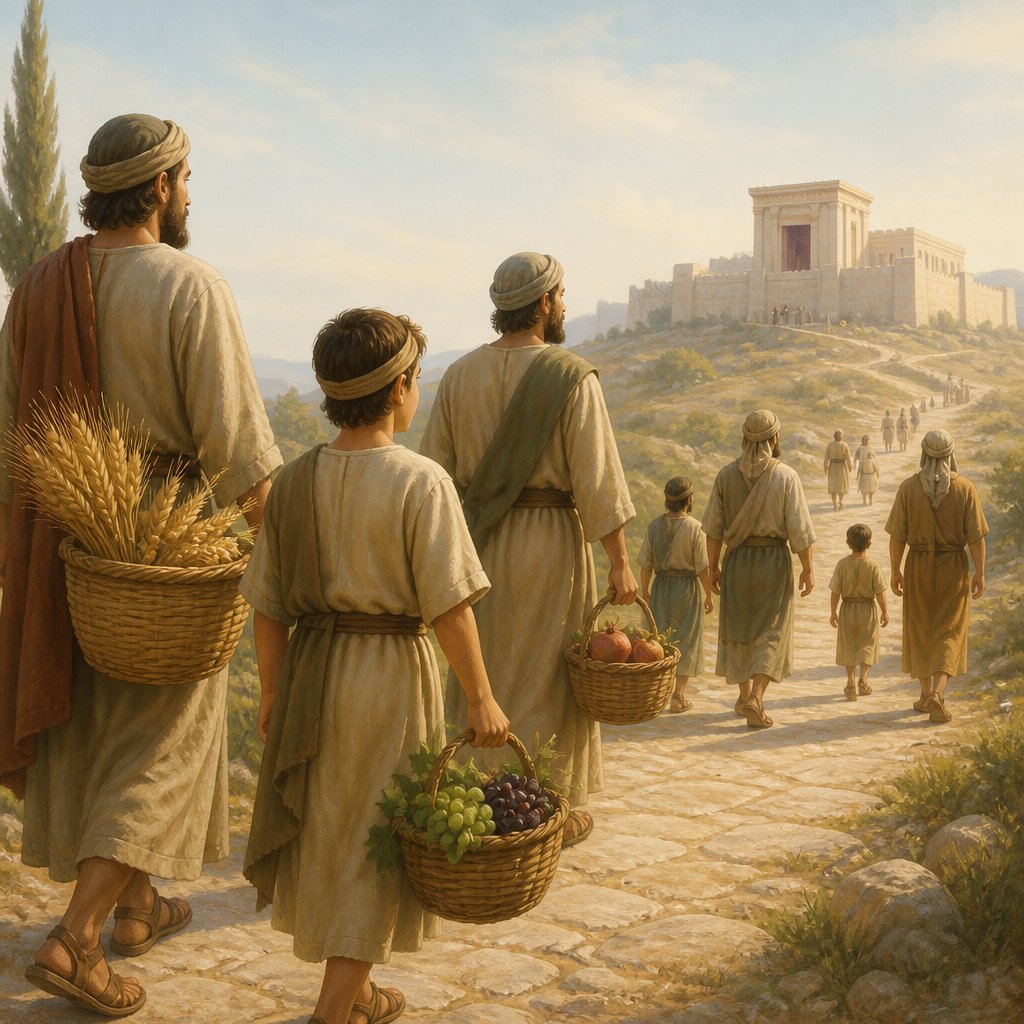
Exodus 23:17 (KJV) states, "Three times in the year all thy males shall appear before the Lord GOD."
This verse is a commandment given to the Israelites by God, instructing them to gather and appear before Him three times a year. This commandment is a part of the larger set of laws and instructions delivered to Moses on Mount Sinai, often referred to as the "Book of the Covenant." At this point in the Exodus narrative, the Israelites had recently been liberated from slavery in Egypt and were in the process of receiving God's instructions for how to live as His chosen people.
The context of this verse is important in understanding its meaning and significance. The Israelites were a newly formed community, and God was establishing a covenant with them, outlining the responsibilities and obligations of both parties. In this verse, God is prescribing a specific time and manner in which the Israelites were to come before Him as an act of worship and obedience.
One of the key themes in this verse is obedience and worship. By commanding the Israelites to appear before Him three times a year, God is emphasizing the importance of regular, communal worship as an integral part of their relationship with Him. This was a way for the Israelites to demonstrate their allegiance and devotion to God, as well as to receive spiritual nourishment and guidance from Him.
Another important theme in this verse is community and unity. The requirement for all male members of the community to gather before God three times a year was a way of fostering a sense of unity and solidarity among the Israelites. It was a reminder that they were a chosen people, bound together by their shared faith and heritage, and that their worship and obedience to God were to be done as a community.
Symbolism is also present in this verse, as the act of appearing before God three times a year can be seen as a symbol of the Israelites' journey and relationship with God. The three annual pilgrimages (Passover, Pentecost, and Tabernacles) were significant religious festivals that commemorated key events in Israel's history and served as reminders of God's faithfulness and provision. Through these gatherings, the Israelites were able to reflect on their past, present, and future as a community, and to renew their commitment to God.
In a broader theological context, this verse foreshadows the worship and pilgrimage traditions that would become central to the Israelite religious calendar. It also points forward to the idea of pilgrimage and communal worship as central elements of many religious traditions around the world.
In conclusion, Exodus 23:17 is a significant verse within the larger context of the covenant between God and the Israelites. It underscores the importance of obedience, worship, community, and unity as key aspects of the Israelites' relationship with God. It also holds symbolic significance, representing the Israelites' ongoing journey and relationship with God through regular, communal worship. This verse continues to carry spiritual and theological significance for believers today, serving as a reminder of the importance of regular communal worship and obedience in the life of faith.
Have questions about Exodus 23:17?
Dive deeper into this scripture with Bible Chat — an AI-powered tool for exploring God's Word through conversation. Ask questions, get context, and grow in your understanding of the Bible.
Get Our Apps


Exodus 23:17 Artwork

Exodus 23:17 - "Three times in the year all thy males shall appear before the Lord GOD."
"Three times in the year all thy males shall appear before the Lord GOD." - Exodus 23:17

Exodus 23:20

Exodus 23:4

Exodus 23:28

Exodus 15:23

Exodus 23:4
Exodus 15:23

Exodus 23:28

Exodus 23:27-28

Exodus 17:10

Exodus 17:11

Exodus 17:6

Exodus 17:3

Exodus 17:3

Exodus 17:6

Exodus 17:6

Exodus 24:17

Exodus 17:6

Exodus 23:28-29

Genesis 23-17

Genesis 17-23

Leviticus 23:17-22

2 Chronicles 23:17

2 Chronicles 23:17

Exodus 23:32 - "Thou shalt make no covenant with them, nor with their gods."

Exodus 30:17 - "¶ And the LORD spake unto Moses, saying,"

Exodus 17:8 - "¶ Then came Amalek, and fought with Israel in Rephidim."

Exodus 13:17-14:29

Exodus 23:6 - "Thou shalt not wrest the judgment of thy poor in his cause."