What does Exodus 23:14 mean?
"¶ Three times thou shalt keep a feast unto me in the year." - Exodus 23:14
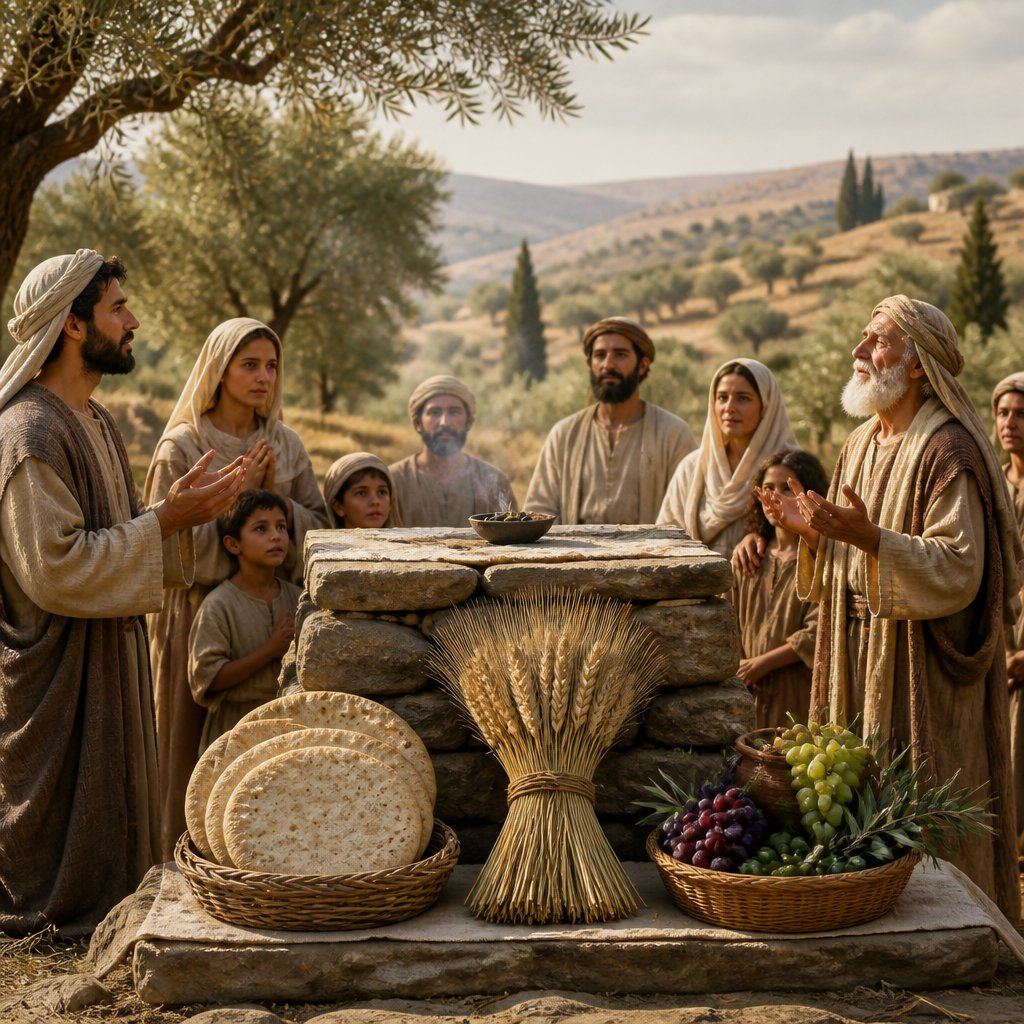
Exodus 23:14 in the King James Version of the Bible reads, "Three times thou shalt keep a feast unto me in the year." This verse comes from the book of Exodus, which is the second book of the Old Testament and recounts the story of the Israelites' exodus from Egypt and their journey to the Promised Land. In this particular verse, God is giving instructions to the Israelites regarding the observance of feasts in His honor.
The context of this verse is important for understanding its significance. In the preceding verses, God has given the Israelites various laws and regulations that they are to follow as they establish their society and worship Him. These laws cover a wide range of topics, including the treatment of slaves, the punishment for crimes, and the proper conduct of worship. In the verses immediately following this one, God provides more specific instructions about the feasts that the Israelites are to observe.
The theme of obedience and worship is central to understanding the meaning of this verse. Throughout the book of Exodus, God is portrayed as a powerful and demanding deity who expects His people to show Him reverence and obedience. The observance of feasts is one way for the Israelites to demonstrate their devotion to God and to acknowledge His role in their lives.
The specific instructions about keeping three feasts in a year point to the importance of regular, deliberate worship. By setting aside specific times for feasting and celebration, the Israelites are demonstrating their commitment to God and their desire to honor Him. This theme of intentional worship is echoed throughout the rest of the Bible, as God repeatedly emphasizes the importance of regular and sincere acts of devotion.
In addition to the theme of worship, this verse also carries a message of gratitude and remembrance. The feasts that God commands the Israelites to observe are intended to commemorate specific events in their history, such as the exodus from Egypt and the harvest. By celebrating these feasts, the Israelites are not only showing their devotion to God but also acknowledging His role in their past and present circumstances.
Symbolism is another important aspect of this verse. The feasts that God commands the Israelites to observe are rich in symbolic meaning, representing not only their relationship with God but also their identity as a community. For example, the Feast of Unleavened Bread commemorates the hasty departure of the Israelites from Egypt, while the Feast of Weeks (also known as Pentecost) celebrates the harvest and God's provision for His people.
Overall, Exodus 23:14 is a powerful reminder of the importance of worship, obedience, and gratitude in the life of a believer. The verse serves as a call to intentional, regular acts of devotion and a recognition of God's role in the history and identity of His people. Through the observance of feasts, the Israelites demonstrate their commitment to God and their desire to honor Him, setting an example for believers throughout history to follow. From a symbolic perspective, the feasts serve as a tangible reminder of God's faithfulness and provision, giving the Israelites an opportunity to reflect on their past and present circumstances. This verse serves as a timeless reminder for believers to prioritize intentional worship and gratitude in their relationship with God.
Have questions about Exodus 23:14?
Dive deeper into this scripture with Bible Chat — an AI-powered tool for exploring God's Word through conversation. Ask questions, get context, and grow in your understanding of the Bible.
Get Our Apps


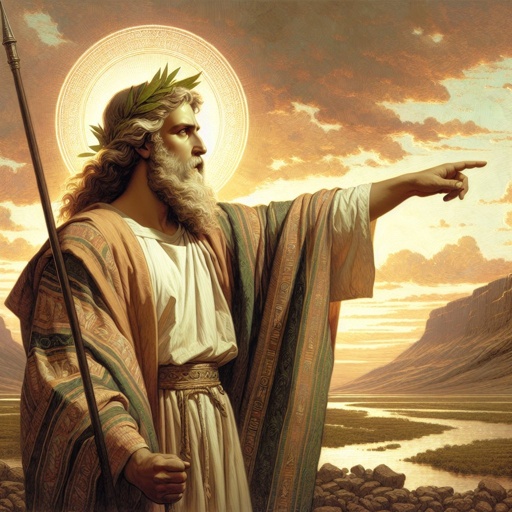
Exodus 23:14 Artwork

Exodus 23:14 - "¶ Three times thou shalt keep a feast unto me in the year."
"¶ Three times thou shalt keep a feast unto me in the year." - Exodus 23:14

Exodus 23:20

Exodus 23:4

Exodus 23:28

Exodus 15:23

Exodus 23:4
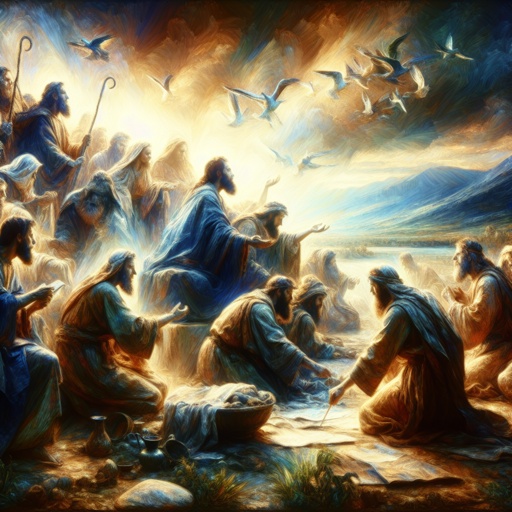
Exodus 15:23

Exodus 23:28
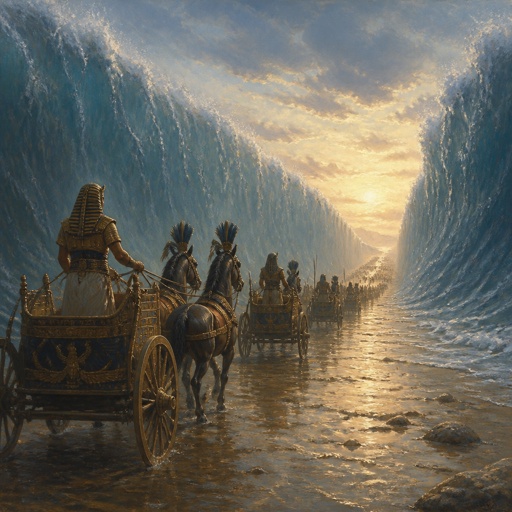
"¶ And the Egyptians pursued, and went in after them to the midst of the sea, even all Pharaoh's horses, his chariots, and his horsemen." - Exodus 14:23

Exodus 23:27-28

Exodus 14

Exodus 23:28-29

Exodus 14:13

Exodus 14:13

Exodus 14: 21

Exodus 14:13

Exodus 14:13

Exodus 14:13

Exodus 14:13

Exodus 14:13
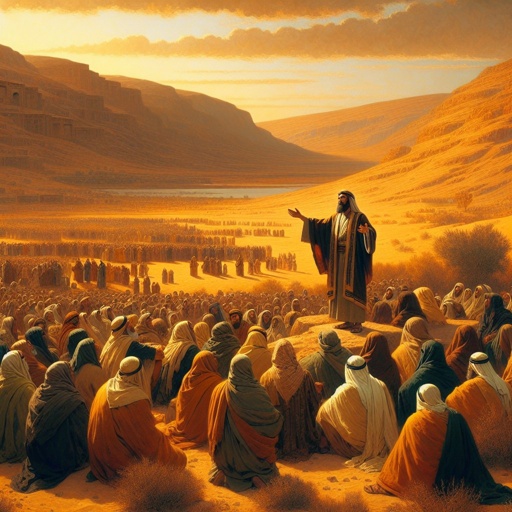
Exodus 14:13

Exodus 14:13

Exodus 14:13
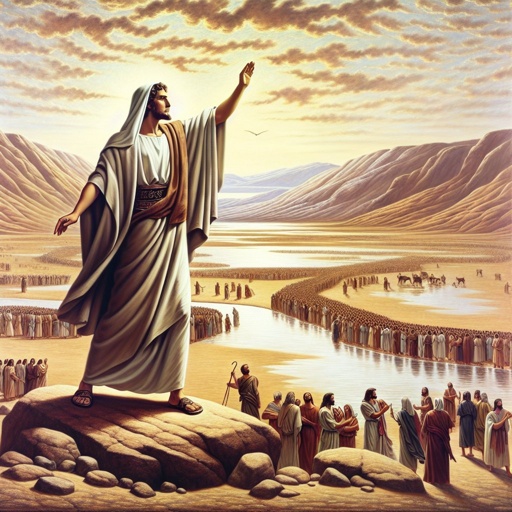
Exodus 14:13
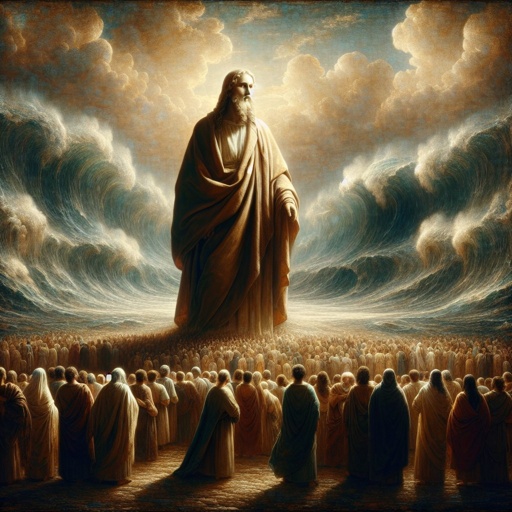
Exodus 14:13
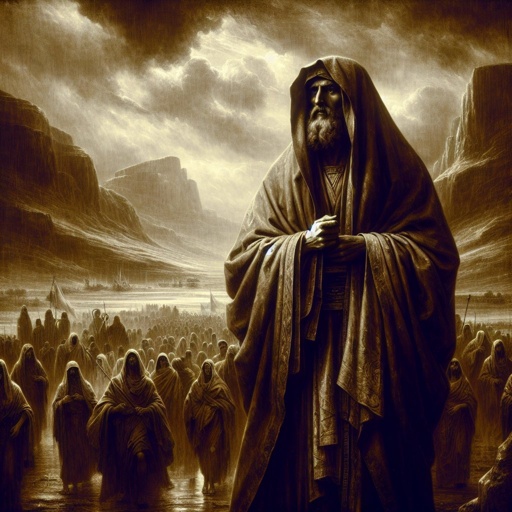
Exodus 14:13
Exodus 14:13

Exodus 3:14

Exodus 3:14