What does Exodus 22:18 mean?
"¶ Thou shalt not suffer a witch to live." - Exodus 22:18
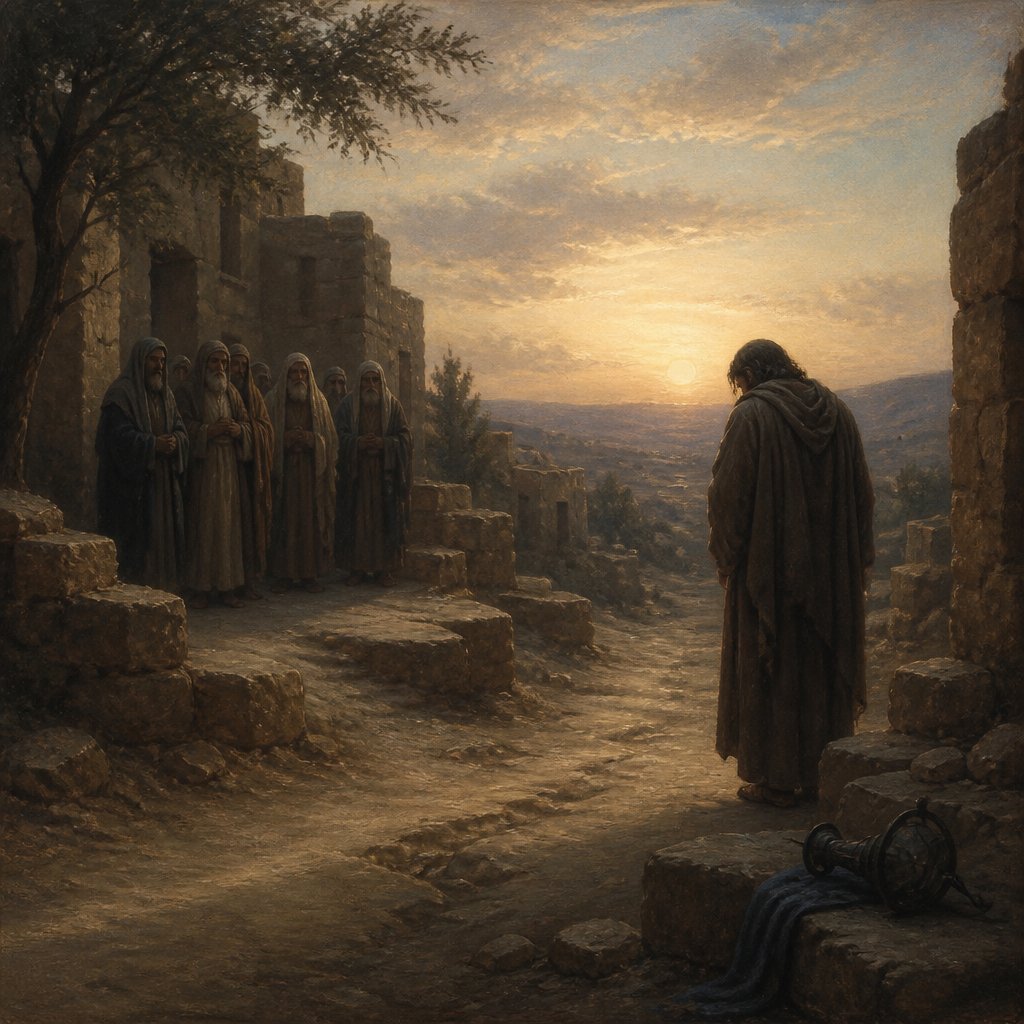
Exodus 22:18 in the King James Version (KJV) of the Bible states, "Thou shalt not suffer a witch to live." This verse, found in the book of Exodus, is part of the laws and regulations given to the Israelites by God through Moses. It is a verse that has been a point of controversy and debate for centuries, and its meaning and implications have sparked numerous interpretations and discussions.
The context of this verse is important to understand its meaning and relevance. In the broader context of the book of Exodus, the Israelites have been liberated from slavery in Egypt and are now journeying through the wilderness on their way to the Promised Land. God has established a covenant with them, and He is giving them laws and guidelines to govern their conduct and relationships with one another as a community.
In this specific passage, God is instructing the Israelites on various social, moral, and religious laws. The verse in question speaks to the issue of witchcraft, which was a common practice in the ancient world, often associated with pagan religious rituals and occult practices. The prohibition against witches and witchcraft was a way for God to set the Israelites apart from the surrounding nations and to protect them from the spiritual and moral dangers associated with these practices.
The phrase "Thou shalt not suffer a witch to live" is a strong and uncompromising statement. It indicates that the practice of witchcraft is considered a serious offense in the eyes of God, and it carries severe consequences. In ancient Israelite society, witchcraft was viewed as a threat to the spiritual and moral integrity of the community, and those who engaged in it were to be put to death. This reflects a broader theme in the Old Testament of God's concern for His people to remain faithful and loyal to Him, and to avoid being influenced by pagan and idolatrous customs and beliefs.
The use of the word "witch" in this verse has been the subject of much debate and interpretation. In the original Hebrew text, the word used is "mekhashefah," which can be translated as "sorceress" or "enchantress." This suggests that the focus is on individuals, typically women, who engaged in magical and occult practices, often for harmful or manipulative purposes. In biblical times, witchcraft was often associated with manipulating spiritual forces for personal gain or to harm others, and it was viewed as a form of rebellion against God's authority.
The significance of this verse extends beyond its immediate historical and cultural context. It raises important theological and ethical questions about the nature of sin, justice, and the relationship between God and humanity. The prohibition against witchcraft in the Old Testament reflects God's holiness and His desire for His people to live in obedience to His will. It also underscores the seriousness of engaging in activities that are contrary to God's moral order and that lead people away from Him.
In contemporary society, the meaning and application of this verse continue to be a topic of discussion and analysis. Some interpret it as a reflection of the social and religious norms of ancient Israel, emphasizing the need for moral purity and the rejection of idolatrous practices. Others view it as a reflection of God's concern for justice and the protection of His people from spiritual harm. There are also those who see it as a reflection of patriarchal attitudes toward women and the suppression of alternative religious beliefs.
In conclusion, Exodus 22:18 is a verse that deals with the issue of witchcraft and the spiritual and moral dangers associated with it. Its message is rooted in the historical and cultural context of ancient Israel, but it also raises broader theological and ethical questions about sin, justice, and loyalty to God. Its meaning and implications continue to be a subject of debate and interpretation, emphasizing the complexity and depth of the biblical text.
Have questions about Exodus 22:18?
Dive deeper into this scripture with Bible Chat — an AI-powered tool for exploring God's Word through conversation. Ask questions, get context, and grow in your understanding of the Bible.
Get Our Apps


Exodus 22:18 Artwork

Exodus 22:18 - "¶ Thou shalt not suffer a witch to live."

"¶ Thou shalt not suffer a witch to live." - Exodus 22:18

Exodus 18:22 - "And let them judge the people at all seasons: and it shall be, that every great matter they shall bring unto thee, but every small matter they shall judge: so shall it be easier for thyself, and they shall bear the burden with thee."

Exodus 22:22 - "¶ Ye shall not afflict any widow, or fatherless child."

Exodus 18

Exodus 15:22

Exodus 22:28

Exodus 22:28

Exodus 22:28

Exodus 22:28

Exodus 22:28

Exodus 22:28

Exodus 22:28

Exodus 22:5

Exodus 22:28

Exodus 22:28

Exodus 22:28

Exodus 22:28

Exodus 22:28

Exodus 22:5

Exodus 22:28

Exodus 22:28

Exodus 22:5

Exodus 31: 18

exodus 18:11

Exodus 25:10-22

Genesis 22-18

Psalm 22:18

Mathew 18:22

Psalm 22:18