What does Exodus 21:20 mean?
"¶ And if a man smite his servant, or his maid, with a rod, and he die under his hand; he shall be surely punished." - Exodus 21:20
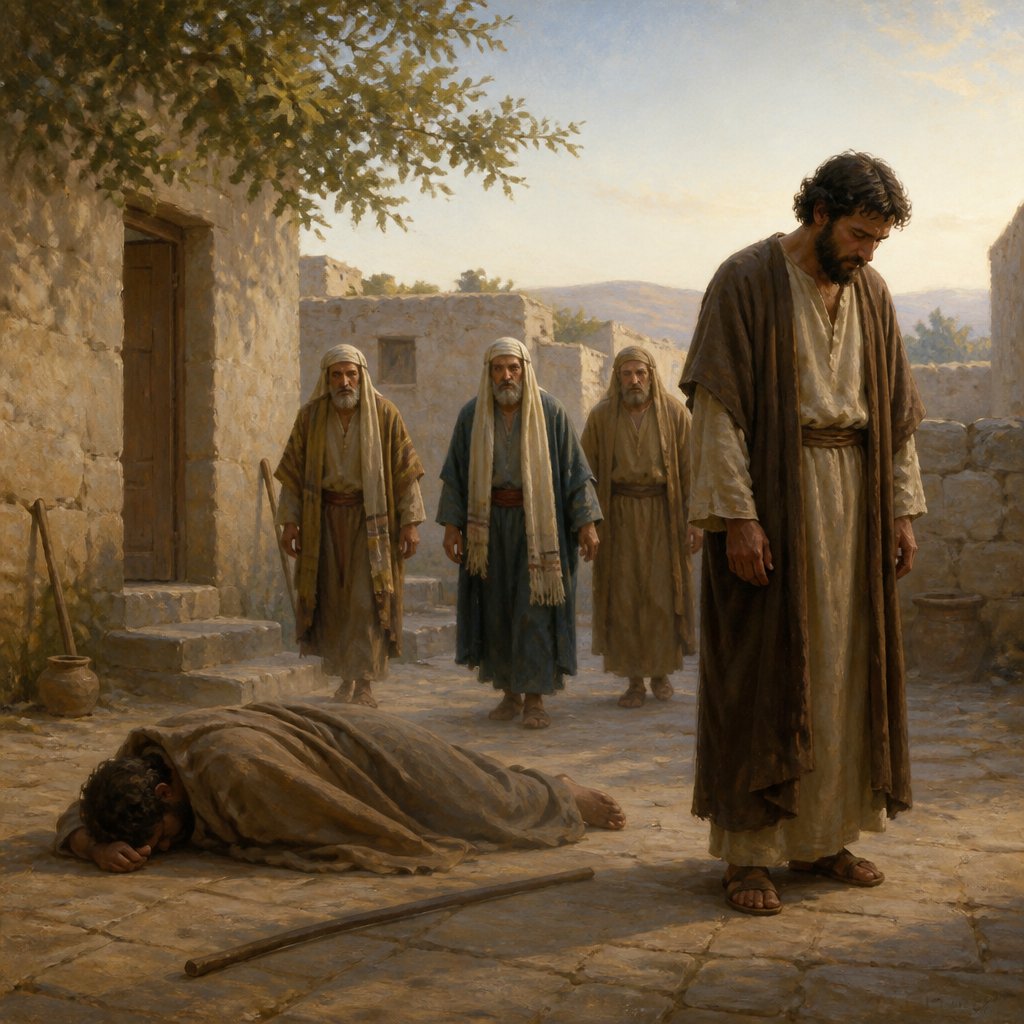
Exodus 21:20 (KJV) states, "And if a man smite his servant, or his maid, with a rod, and he die under his hand; he shall be surely punished."
This verse is part of the Old Testament of the Bible, specifically within the book of Exodus. At this point in the biblical narrative, the Israelites have been delivered from slavery in Egypt and are being given laws and regulations by God through Moses. These laws are meant to govern the behavior of the Israelites and provide structure and justice within their society.
The verse addresses the treatment of servants or slaves within the Israelite community. It acknowledges the existence of slavery within the ancient Israelite culture, but it also seeks to establish guidelines for the treatment of those who are considered property. The specific scenario outlined in this verse involves a servant who is struck by their master with a rod and dies as a result. In such a case, the perpetrator is to be punished.
One of the themes that can be drawn from this verse is the importance of justice and fair treatment for all members of society, regardless of their social status. In a society that practiced slavery, it was all too easy for masters to abuse their power and mistreat their servants or slaves. This verse serves as a reminder that even those who are in positions of authority and control are not above the law, and they are accountable for their actions, particularly when it comes to the mistreatment of others.
This verse also reflects the biblical principle of valuing human life and dignity. While the institution of slavery is not explicitly condemned in this passage, the regulation of the treatment of slaves demonstrates a recognition of their humanity and worth. The fact that there are consequences for killing a slave acknowledges the inherent value of their life, despite their status as property within the cultural context.
Furthermore, this verse can be seen as a precursor to the New Testament teachings that emphasize the equal value and worth of all individuals in the eyes of God. In Galatians 3:28, it is stated that "There is neither Jew nor Greek, there is neither bond nor free, there is neither male nor female: for ye are all one in Christ Jesus." This verse echoes the sentiment that social and cultural distinctions, including those related to slavery, are of no consequence in the spiritual realm.
In addition to its themes of justice and human dignity, Exodus 21:20 can also be seen as a reflection of the broader biblical context of God's concern for the oppressed and vulnerable. Throughout the Bible, there is a consistent message of God's care for the poor, the marginalized, and the downtrodden. This verse serves as a small but significant example of God's concern for those who are at risk of being mistreated and abused.
In terms of symbolism, the use of the rod as a weapon in the verse can be interpreted as a symbol of power and authority. The fact that the servant dies as a result of being struck with a rod underscores the potential for misuse of power and the devastating consequences that can result from such abuse. The rod can also symbolize the oppressive nature of slavery itself, as it was often used as a means of coercion and control by slave owners.
Overall, Exodus 21:20 is a verse that addresses a specific aspect of the legal and ethical responsibilities of those in positions of power and authority. It speaks to the broader biblical themes of justice, human dignity, and God's concern for the oppressed. While it exists within a cultural context that permitted the practice of slavery, it also contains principles that transcend the specific social structures of its time and continue to have relevance today.
Have questions about Exodus 21:20?
Dive deeper into this scripture with Bible Chat — an AI-powered tool for exploring God's Word through conversation. Ask questions, get context, and grow in your understanding of the Bible.
Get Our Apps


Exodus 21:20 Artwork

Exodus 21:20 - "¶ And if a man smite his servant, or his maid, with a rod, and he die under his hand; he shall be surely punished."
"¶ And if a man smite his servant, or his maid, with a rod, and he die under his hand; he shall be surely punished." - Exodus 21:20

Exodus 20:21 - "And the people stood afar off, and Moses drew near unto the thick darkness where God was."

"And the people stood afar off, and Moses drew near unto the thick darkness where God was." - Exodus 20:21

Exodus 15:20-21 - "Then Miriam the prophet, Aaron’s sister, took a tambourine and led all the women as they played their tambourines and danced. And Miriam sang this song: “Sing to the Lord, for he has triumphed gloriously; he has hurled both horse and rider into the sea.”"

Exodus 14: 21

Exodus 23:20

Exodus 20:2

Exodus 27:20

Exodus 27:20

Exodus 27:20

Exodus 20:14

Exodus 14: 21

Exodus 15:21

Exodus 21:21 - "Notwithstanding, if he continue a day or two, he shall not be punished: for he is his money."

Luke 13:20-21

Luke 13:20-21
Luke 13:20-21

Luke 13:20-21

Luke 13:20-21

Exodus 20:13 - "Thou shalt not kill."

Exodus 20:15 - "Thou shalt not steal."

Exodus 27:19-20

Genesis 21-20

John 20:21

Exodus 19:16-20

Exodus 27:19-21

Exodus 20:14 - "Thou shalt not commit adultery."

Exodus 6:21 - "¶ And the sons of Izhar; Korah, and Nepheg, and Zichri."

Job 3:20-21 - "Job 3:20-21: Why is light given to those in misery, and life to the bitter of soul, to those who long for death that does not come, who search for it more than for hidden treasure?"