What does Exodus 20:21 mean?
"And the people stood afar off, and Moses drew near unto the thick darkness where God was." - Exodus 20:21
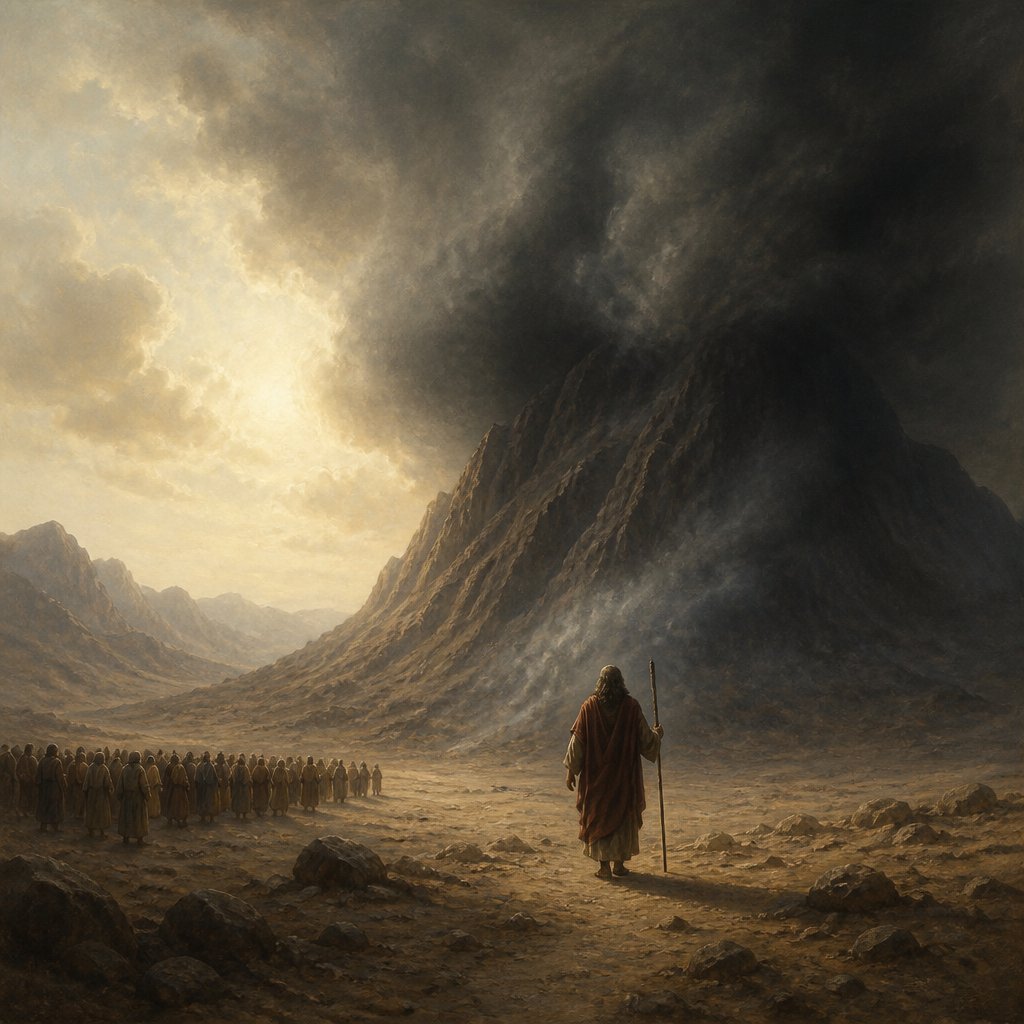
Exodus 20:21 in the King James Version of the Bible reads, "And the people stood afar off, and Moses drew near unto the thick darkness where God was."
This verse comes at the conclusion of the giving of the Ten Commandments at Mount Sinai. The Israelites had witnessed the power and glory of God as He descended upon the mountain in fire and smoke, accompanied by thunder and lightning. This display was terrifying and overwhelming for the people, so they begged Moses to speak to God on their behalf and to relay His commands to them.
The phrase "the people stood afar off" is significant because it represents the awe and fear that the Israelites experienced when in the presence of God. They recognized the holiness and majesty of the Lord and understood their own unworthiness in His sight. This fear of God is a recurring theme throughout the Bible, emphasizing the reverence and respect that is due to Him as the Creator and sustainer of the universe.
On the other hand, the image of "Moses drew near unto the thick darkness where God was" symbolizes the unique relationship that Moses had with God. Unlike the rest of the Israelites, Moses was allowed to come closer to the presence of the Lord, symbolizing his role as a mediator between God and the people. This foreshadows the special position that Moses would hold as the leader and lawgiver of the Israelites, as well as his close, personal relationship with God.
The "thick darkness" mentioned in the verse is a powerful symbol of the mystery and incomprehensibility of God. It represents the profound otherness and transcendence of the divine, as well as the limitations of human understanding in the face of the infinite. The darkness also serves as a reminder that there are aspects of God's nature and will that are beyond human perception, inviting a sense of humility and wonder in the presence of the Almighty.
In a broader context, Exodus 20:21 speaks to the theme of the sacred and the profane. The Israelites' experience at Mount Sinai underscores the distinction between the holy and the mundane and the need for reverence and sanctity in approaching God. It reinforces the idea that God's presence demands respect and deference, and His commands are to be taken seriously and obeyed faithfully.
Furthermore, this verse foreshadows the coming of Christ, who would also serve as a mediator between God and humanity. In the New Testament, Jesus is described as the ultimate bridge between the divine and the human, allowing people to draw near to God through His sacrifice and intercession. The imagery of approaching the darkness where God dwells can be likened to the mystery of the Incarnation, where the divine took on human flesh in the person of Jesus Christ.
In conclusion, Exodus 20:21 is a rich and multilayered verse that encapsulates the themes of reverence, mediation, and the transcendence of God. It serves as a reminder of the awe-inspiring nature of the divine and the need for humility and respect in our relationship with Him. The verse also points forward to the coming of Christ and His redemptive work, emphasizing the significance of His role as the ultimate mediator between God and humanity.
Have questions about Exodus 20:21?
Dive deeper into this scripture with Bible Chat — an AI-powered tool for exploring God's Word through conversation. Ask questions, get context, and grow in your understanding of the Bible.
Get Our Apps


Exodus 20:21 Artwork

Exodus 20:21 - "And the people stood afar off, and Moses drew near unto the thick darkness where God was."
"And the people stood afar off, and Moses drew near unto the thick darkness where God was." - Exodus 20:21

Exodus 21:20 - "¶ And if a man smite his servant, or his maid, with a rod, and he die under his hand; he shall be surely punished."

Exodus 15:20-21 - "Then Miriam the prophet, Aaron’s sister, took a tambourine and led all the women as they played their tambourines and danced. And Miriam sang this song: “Sing to the Lord, for he has triumphed gloriously; he has hurled both horse and rider into the sea.”"

Exodus 14: 21

Exodus 23:20

Exodus 20:2

Exodus 27:20

Exodus 27:20

Exodus 27:20

Exodus 20:14

Exodus 14: 21

Exodus 15:21

Exodus 21:21 - "Notwithstanding, if he continue a day or two, he shall not be punished: for he is his money."
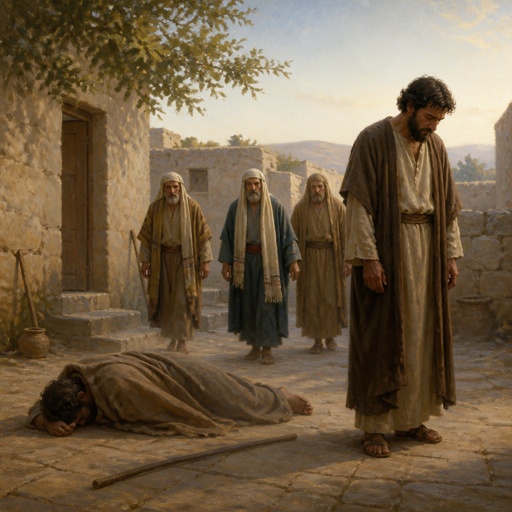
"¶ And if a man smite his servant, or his maid, with a rod, and he die under his hand; he shall be surely punished." - Exodus 21:20

Luke 13:20-21

Luke 13:20-21
Luke 13:20-21

Luke 13:20-21

Luke 13:20-21

Exodus 20:13 - "Thou shalt not kill."

Exodus 20:15 - "Thou shalt not steal."

Exodus 27:19-20

Genesis 21-20

John 20:21

Exodus 19:16-20

Exodus 27:19-21

Exodus 20:14 - "Thou shalt not commit adultery."

Exodus 6:21 - "¶ And the sons of Izhar; Korah, and Nepheg, and Zichri."

Job 3:20-21 - "Job 3:20-21: Why is light given to those in misery, and life to the bitter of soul, to those who long for death that does not come, who search for it more than for hidden treasure?"