What does Exodus 20:17 mean?
"Thou shalt not covet thy neighbour's house, thou shalt not covet thy neighbour's wife, nor his manservant, nor his maidservant, nor his ox, nor his ass, nor any thing that is thy neighbour's." - Exodus 20:17
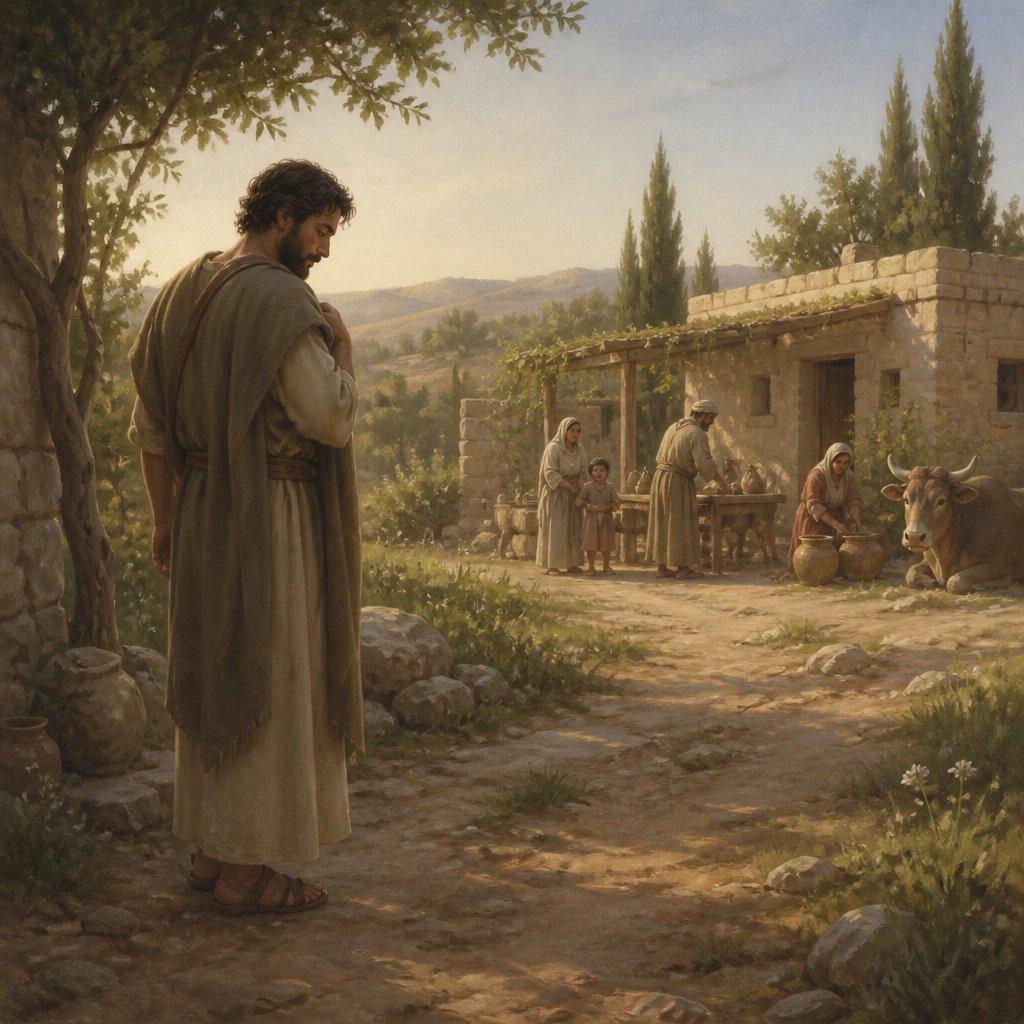
Exodus 20:17 in the King James Version of the Bible states, "Thou shalt not covet thy neighbour's house, thou shalt not covet thy neighbour's wife, nor his manservant, nor his maidservant, nor his ox, nor his ass, nor any thing that is thy neighbour's." This commandment marks the tenth and final one in the famous Ten Commandments, which were given to Moses by God on Mount Sinai.
The commandment against coveting is a moral rule that establishes the boundaries of our desires and urges. Coveting is the strong desire to possess something that belongs to someone else, and it is often accompanied by jealousy, greed, and discontent. It is a mindset that can lead to various sinful actions such as theft, adultery, and dishonesty. By prohibiting coveting, God is teaching His people the importance of contentment and the rejection of envy and insatiable desires.
This commandment relates to several important themes within the Bible. Firstly, it reinforces the sanctity of personal property and the need to respect the possessions of others. It encourages a spirit of generosity, gratitude, and respect, while discouraging selfishness and a sense of entitlement. It emphasizes the importance of living with integrity and honesty, as coveting can lead to deceitful and destructive behaviors. Furthermore, it serves as a reminder of the larger issue of the human heart, addressing the root causes of sin and the necessity of transforming our inner attitudes and desires in order to live in harmony with God's will.
In its context within the overall narrative of Exodus, this tenth commandment is the culmination of God's instructions to the Israelites. It follows the previous commandments that prohibit idolatry, blasphemy, and various forms of wrongdoing towards others. This progression reflects God's concern for every aspect of His people's lives, from their relationship with Him to their interactions with others. The commandments are not arbitrary rules, but an expression of God's loving guidance and wisdom for living in righteousness and justice.
Symbolically, the prohibition against coveting represents a key aspect of the Christian life. It reflects the believer's need to resist the temptations of the world and to cultivate contentment and trust in God. It also points to the reality of spiritual warfare, wherein individuals must guard their hearts and minds against the lure of worldly possessions and pleasures. In this sense, it aligns with the broader theme of spiritual discipline and the call to live as citizens of God's kingdom rather than slaves to earthly desires.
Overall, Exodus 20:17 is a significant commandment that addresses the human inclination towards envy, greed, and discontent. It highlights the importance of inner transformation and the rejection of sinful desires, while pointing to the broader themes of personal integrity, respect for others, and the spiritual discipline required to live a faithful life. As such, it remains a timeless and relevant guideline for God's people, calling them to honor and uphold the principles of righteousness and love.
Have questions about Exodus 20:17?
Dive deeper into this scripture with Bible Chat — an AI-powered tool for exploring God's Word through conversation. Ask questions, get context, and grow in your understanding of the Bible.
Get Our Apps


Exodus 20:17 Artwork

Exodus 20:17 - "Thou shalt not covet thy neighbour's house, thou shalt not covet thy neighbour's wife, nor his manservant, nor his maidservant, nor his ox, nor his ass, nor any thing that is thy neighbour's."
"Thou shalt not covet thy neighbour's house, thou shalt not covet thy neighbour's wife, nor his manservant, nor his maidservant, nor his ox, nor his ass, nor any thing that is thy neighbour's." - Exodus 20:17

Exodus 23:20

Exodus 20:2

Exodus 27:20

Exodus 27:20

Exodus 27:20

Exodus 20:14

Exodus 17:10

Exodus 17:11

Exodus 17:6

Exodus 17:3

Exodus 17:3

Exodus 17:6

Exodus 17:6

Exodus 24:17

Exodus 17:6

Exodus 20:13 - "Thou shalt not kill."

Exodus 20:15 - "Thou shalt not steal."

Exodus 27:19-20

Exodus 19:16-20

Genesis 20-17

Matthew 17:20

Exodus 20:14 - "Thou shalt not commit adultery."

Matthew 17:20

Genesis 17-20

Exodus 20:1 - "And God spake all these words, saying,"

Exodus 20:8 - "Remember the sabbath day, to keep it holy."

Exodus 30:17 - "¶ And the LORD spake unto Moses, saying,"

Exodus 17:8 - "¶ Then came Amalek, and fought with Israel in Rephidim."